
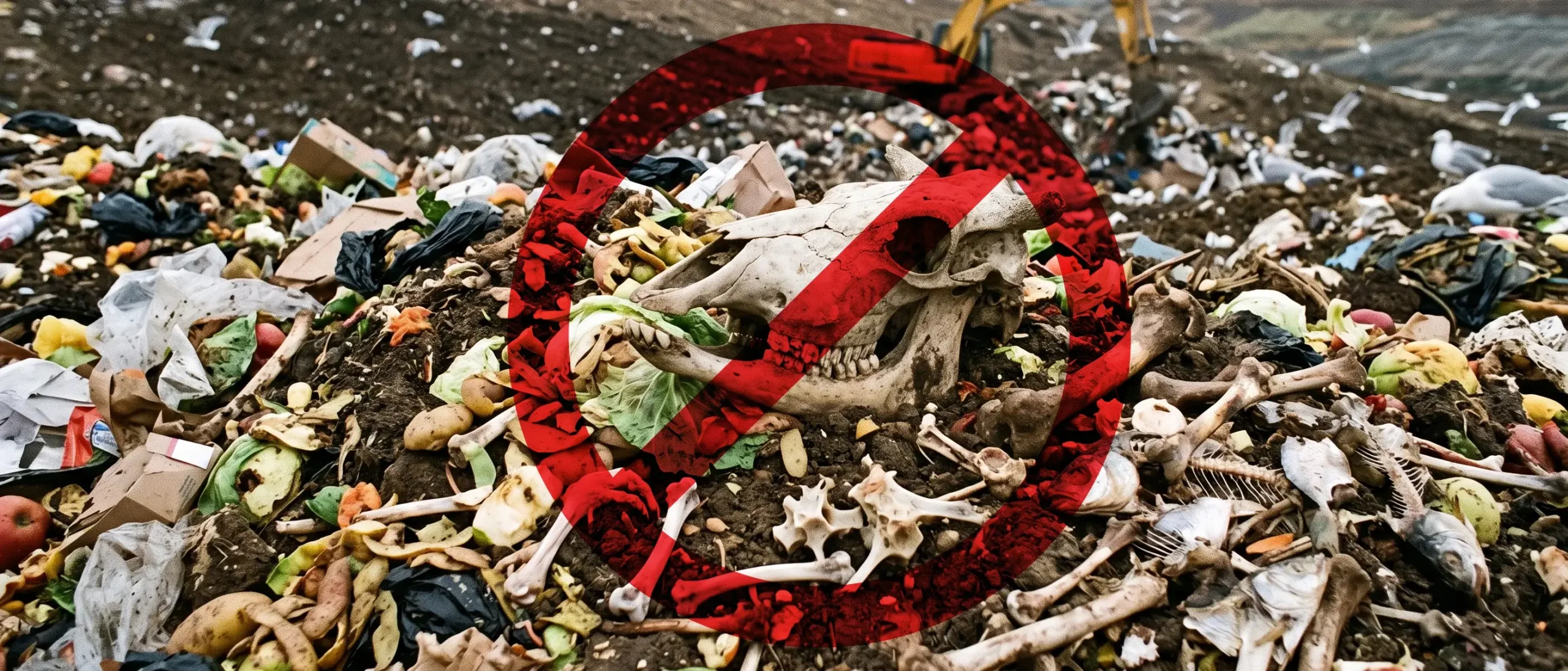
Animal Bones Are Valuable: Stop Sending Them to Landfill
Stop sending animal bones to landfill. See how bone shredders turn slaughterhouse waste into value for rendering, bone meal, and recycling.

Food Waste Digester Installation Guide: What Does Your Facility Need?
Planning a food waste digester installation? Learn about space, electrical, water, drainage, capacity, workflow, and other facility requirements before installing a commercial food waste...
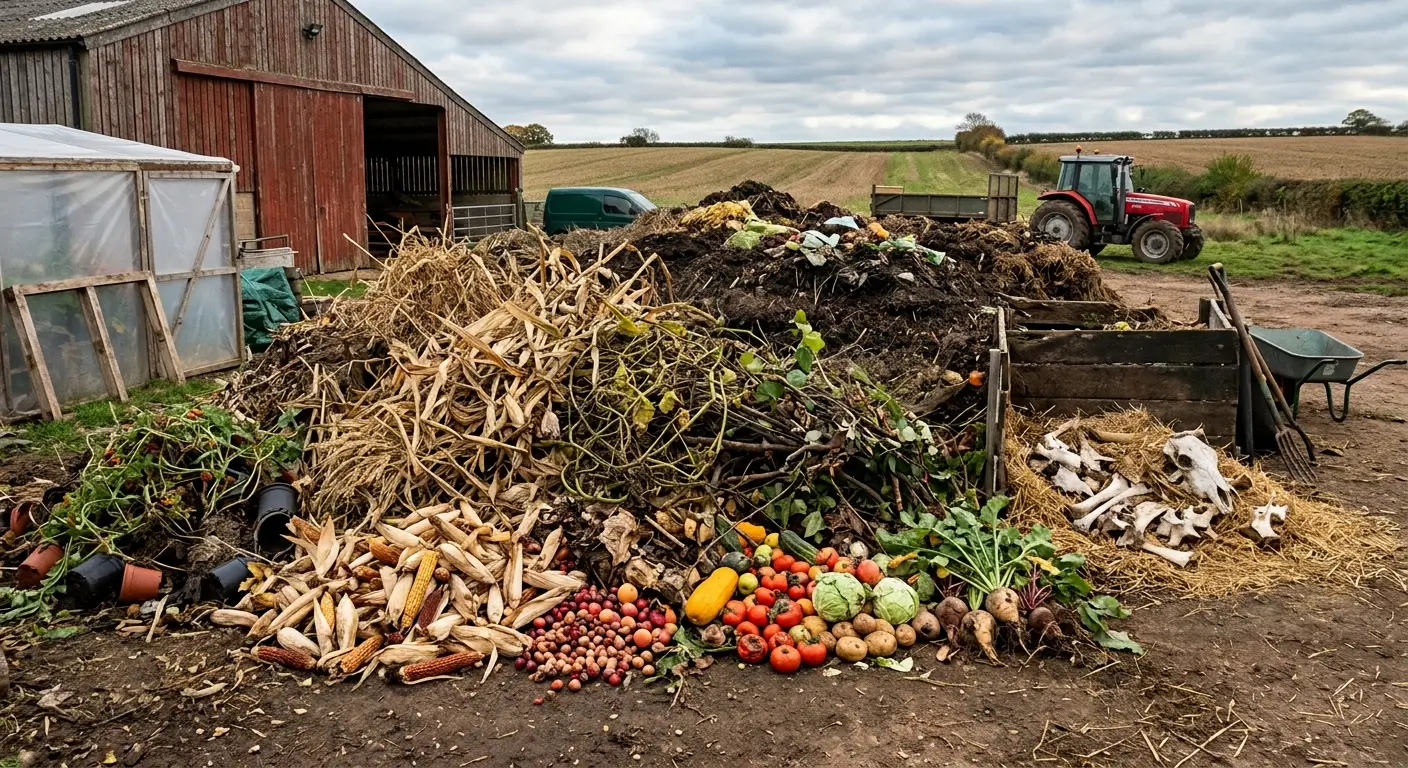
Agricultural Shredders: Reducing Farm Waste and Recovering Valuable Resources
Here's how agricultural shredders reduce farm waste, lower hauling costs, and prepare organic materials for composting, biogas, and resource recovery.
Power Knot Takes the IAAPA Exhibitor Sustainability Pledge for Our First IAAPA Expo
Power Knot joins the IAAPA Exhibitor Sustainability Pledge for its first IAAPA Expo. Visit Booth W806 to see how the LFC biodigester, an on-site...
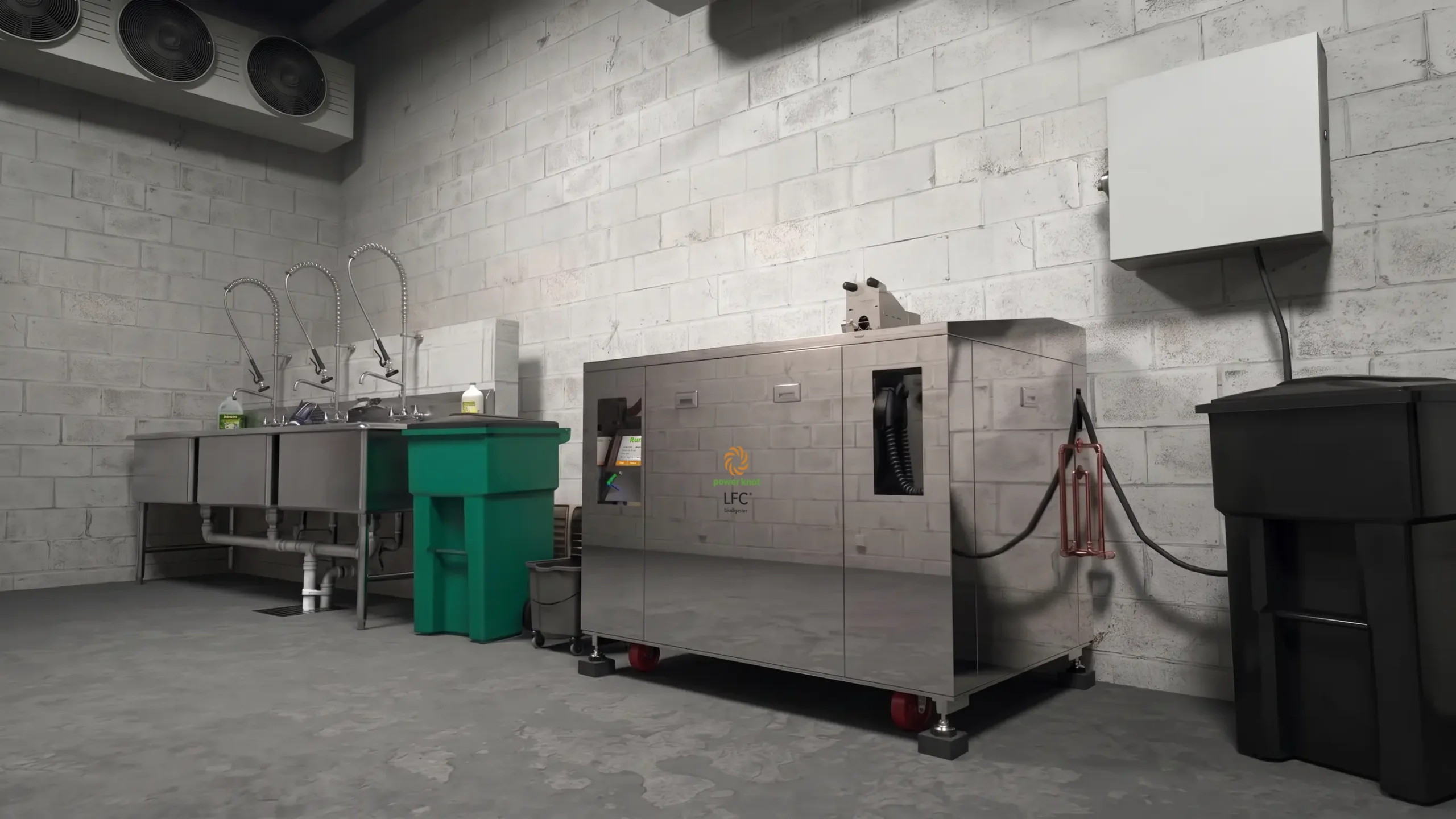
How Long Does a Food Waste Digester Last?
How long does a food waste digester last? Learn what affects equipment lifespan and how proper maintenance can help a commercial food waste digester...
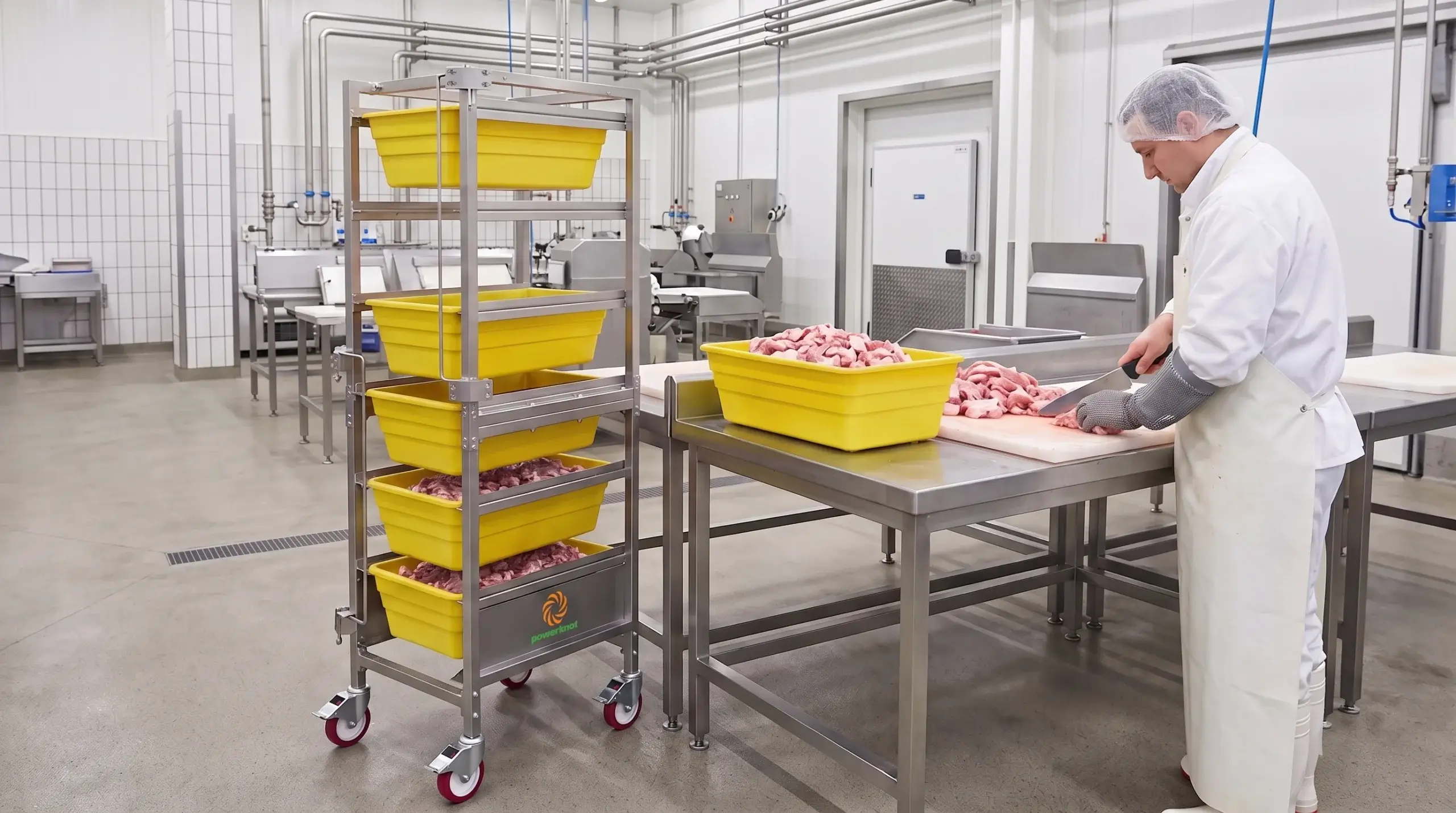
5 Common Mistakes When Transporting Food Waste
How commercial lug carts improve food waste transport by reducing spills, labor, and safety risks while handling heavy lug bins efficiently.
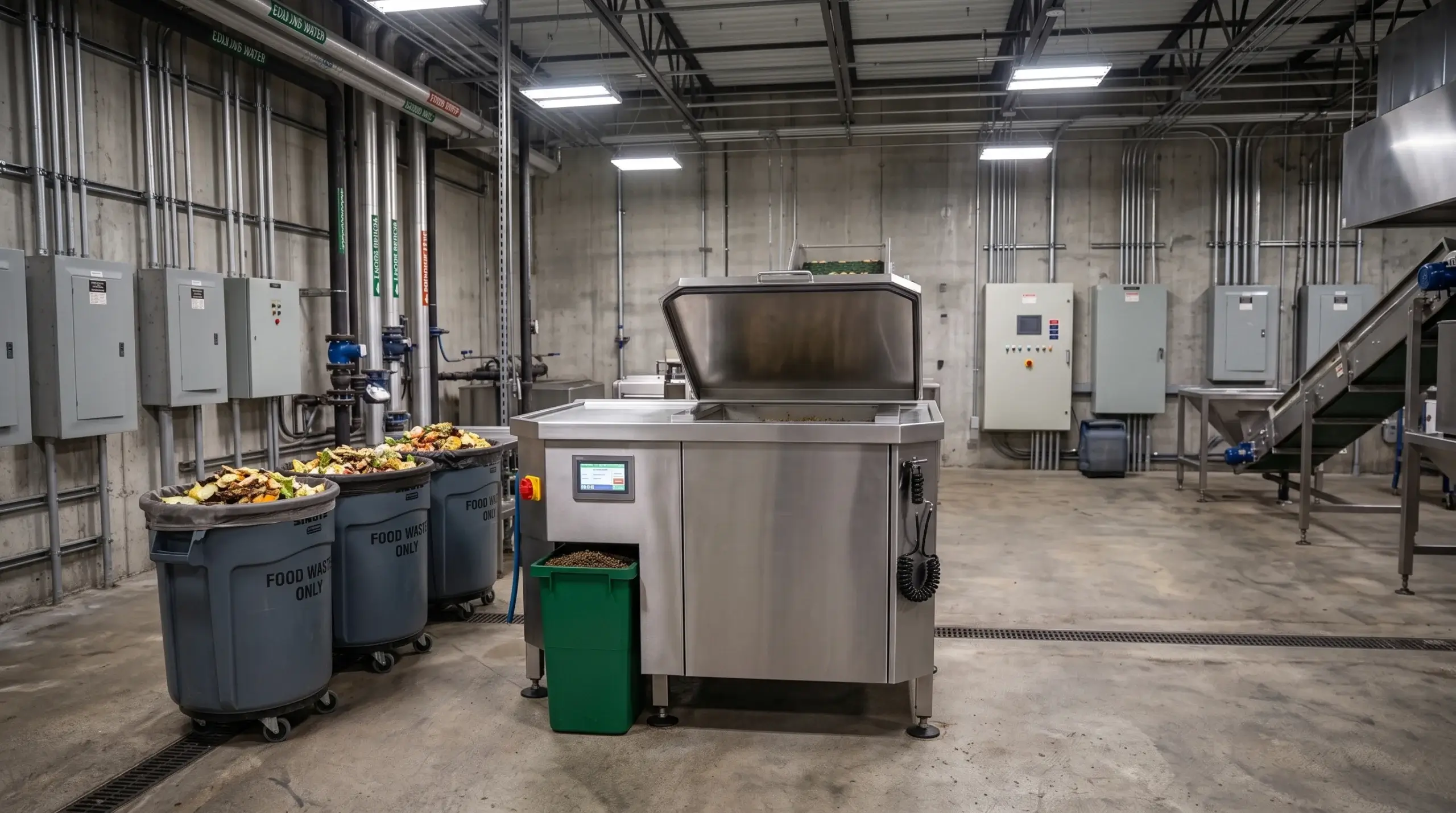
The Pros and Cons of Rapid Thermal Processing Food Waste
Rapid Thermal Processing can reduce food waste weight and volume by up to 80%. Learn how it works, its limitations, costs, and alternatives.
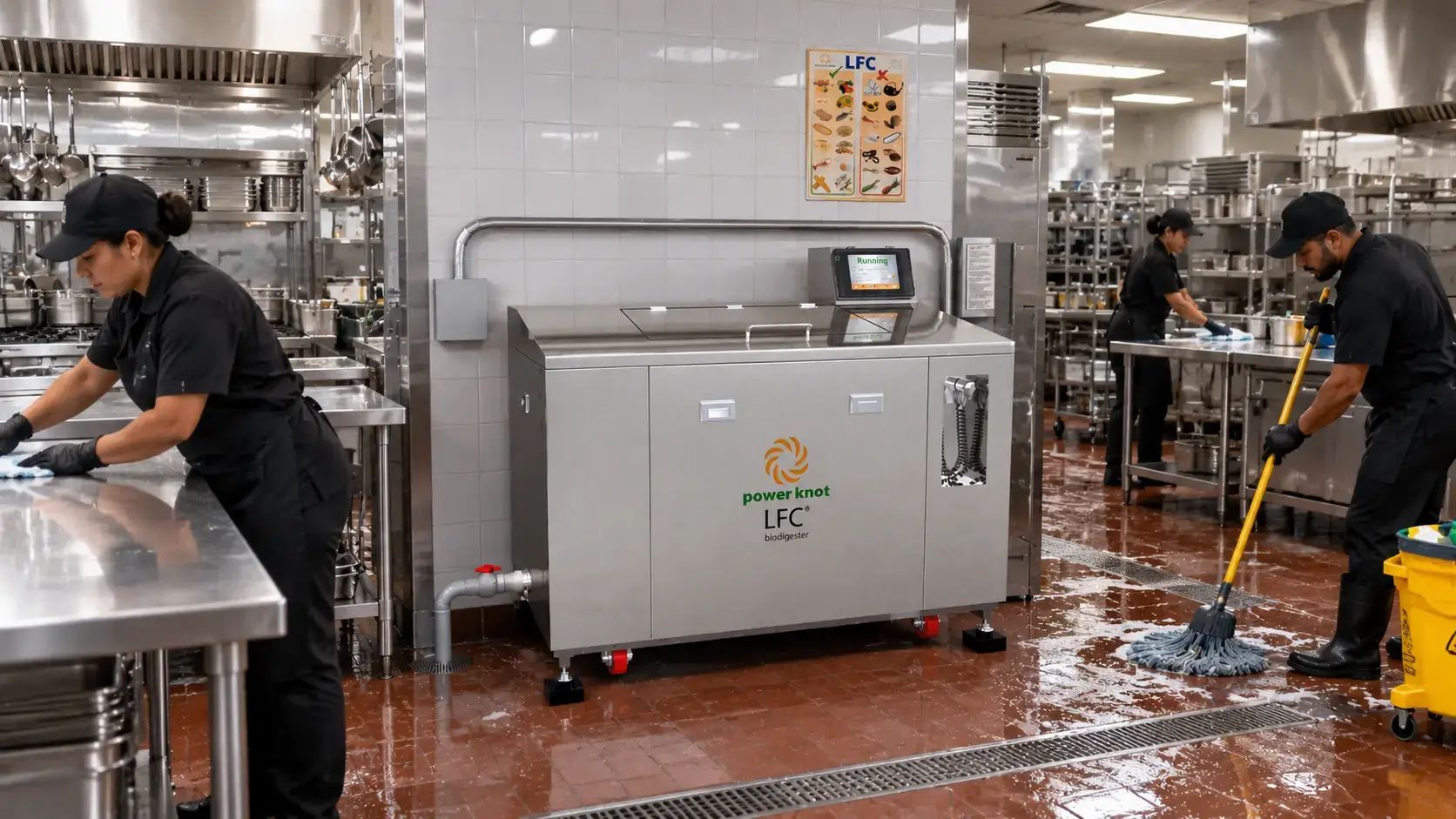
Food Waste Digester Maintenance: What Facility Managers Need to Know
Learn what food waste digester maintenance involves, including cleaning, preventive service, consumables, monitoring, and operator training.
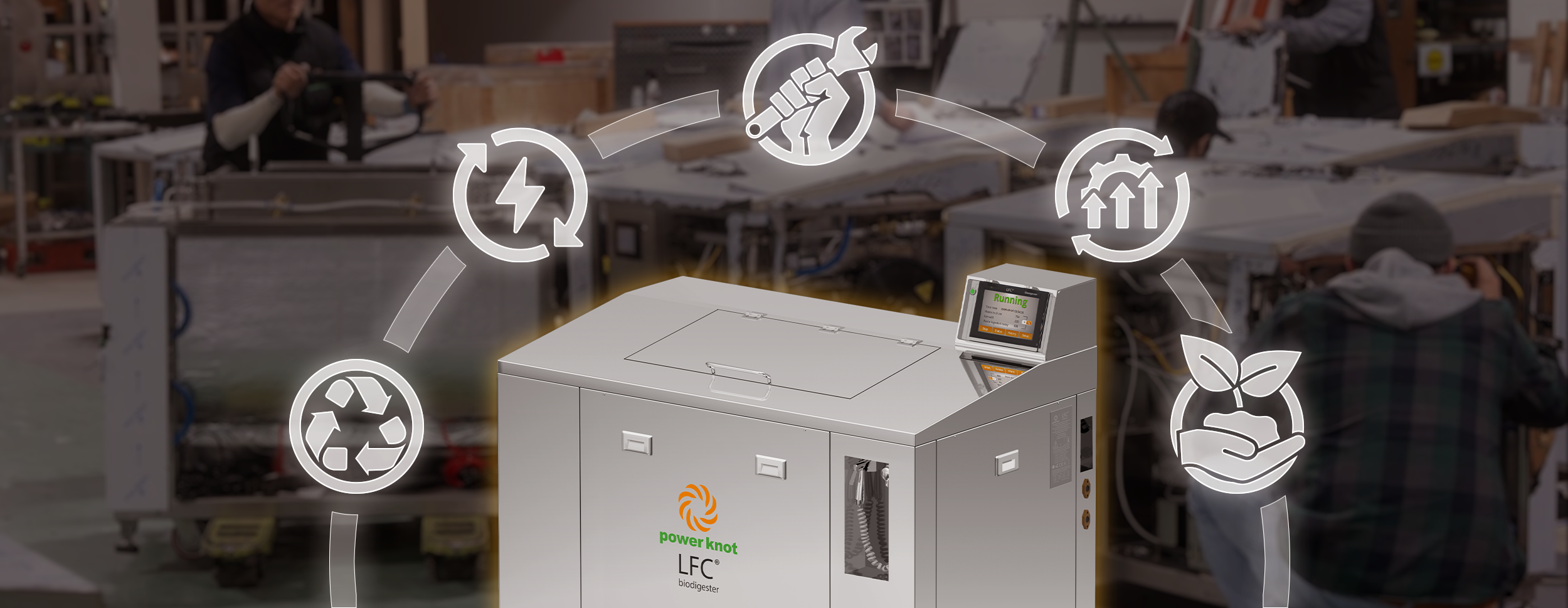
Power Knot is Built for Sustainability: From Repairable Equipment to Renewable Energy
Power Knot advances sustainability through Right to Repair practices, long-lasting equipment, and 100% renewable energy at its Fremont facility.

Blog: Food For Thought (And Not For Landfill)
Explore the latest articles on food waste reduction, sustainability strategies, industry developments, aerobic digester technology, and expert insights to drive smarter waste solutions.
Filters
Industry
Category
Power Knot provides environmentally sound products that help reduce costs while reducing your carbon footprint. We manufacture the LFC biodigester that uses aerobic digestion to convert food waste into water.
Contact Info
Copyright © 2009-2026 Power Knot LLC. All Rights Reserved.