

Most meat processing facilities are throwing away money if they are sending animal bones and offal to the landfill.
Animal bones, offal, and other slaughterhouse byproducts are often treated as waste, but many of these materials still have value after processing. From fertilizer manufacturing and rendering to recycling and renewable energy production, animal bones can serve as a valuable raw material for a variety of downstream applications. Recovering that value begins with proper preparation, allowing processors to reduce disposal costs while supporting more sustainable waste management practices.
Animal Bones Are a Valuable Resource
Slaughterhouse waste includes a wide range of organic byproducts, including:
- bones
- offal
- fat trimmings
- cartilage
- plant-based processing waste
While these materials are often sent to landfill, doing so increases disposal costs and contributes to methane emissions as organic waste decomposes.
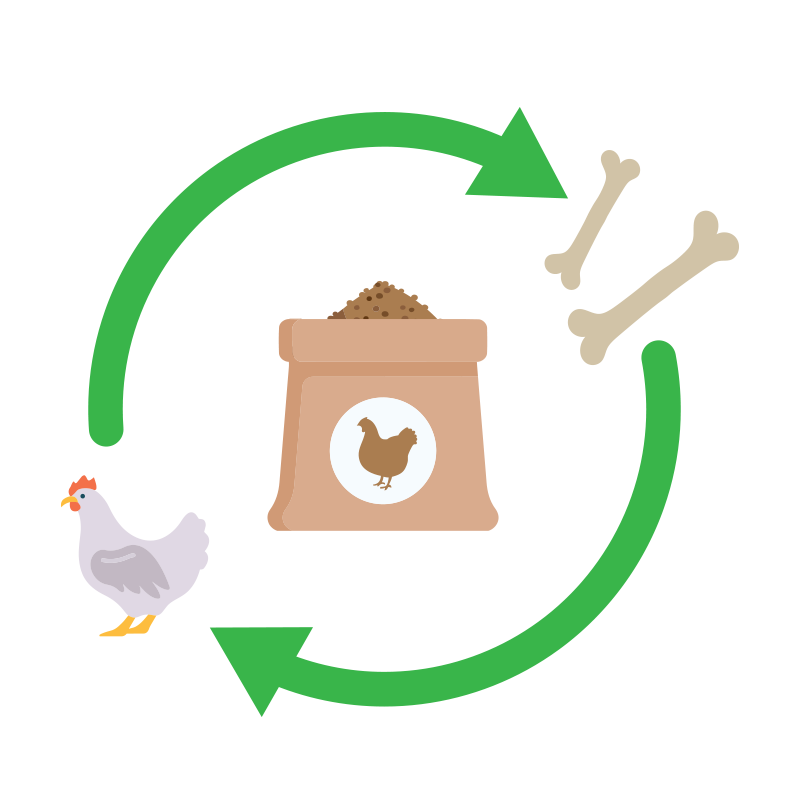
Many of these byproducts still have significant value. Animal bones, in particular, can serve as a raw material for a variety of downstream applications when properly processed. One of the most common uses is the production of bone meal, a nutrient-rich source of phosphorus and calcium used in agricultural fertilizers. Bones are also used in rendering operations to produce protein meals and other industrial products. Depending on local regulations, recovered bone material may also be recycled for animal feed ingredients or renewable energy production.
Recovering value from slaughterhouse waste begins with proper size reduction. Large bones are difficult to transport, handle, and process efficiently, while smaller, more consistent particles create a uniform feedstock for rendering, composting, biodigestion, fertilizer manufacturing, and other recycling processes.
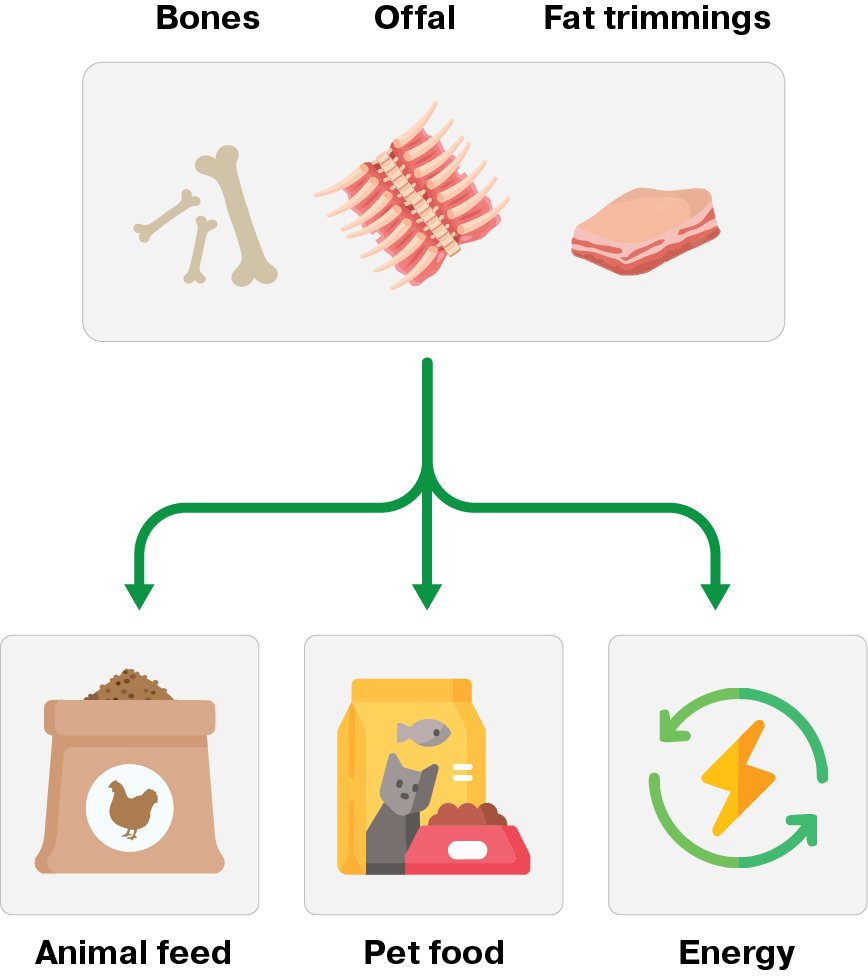
Rather than treating animal bones as a disposal problem, meat processors can view them as a valuable resource that supports more sustainable and cost-effective bone waste management.
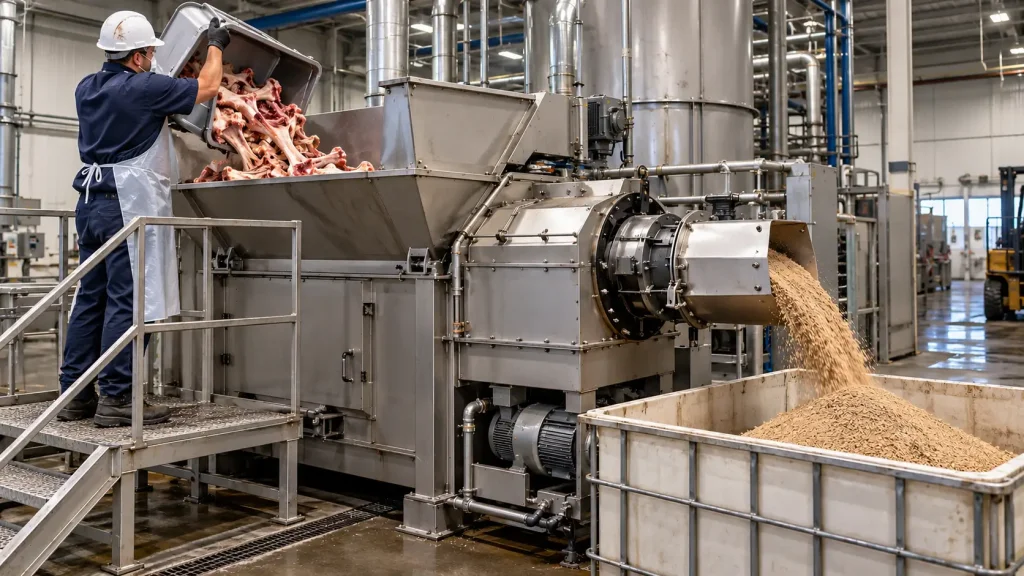
Why Proper Size Reduction Matters
The size of organic waste has a direct impact on how efficiently it can be processed. Large bones and dense materials are more difficult to handle, transport, and feed into downstream equipment.
Reducing bones into uniform particles helps:
- Improve material handling and transportation
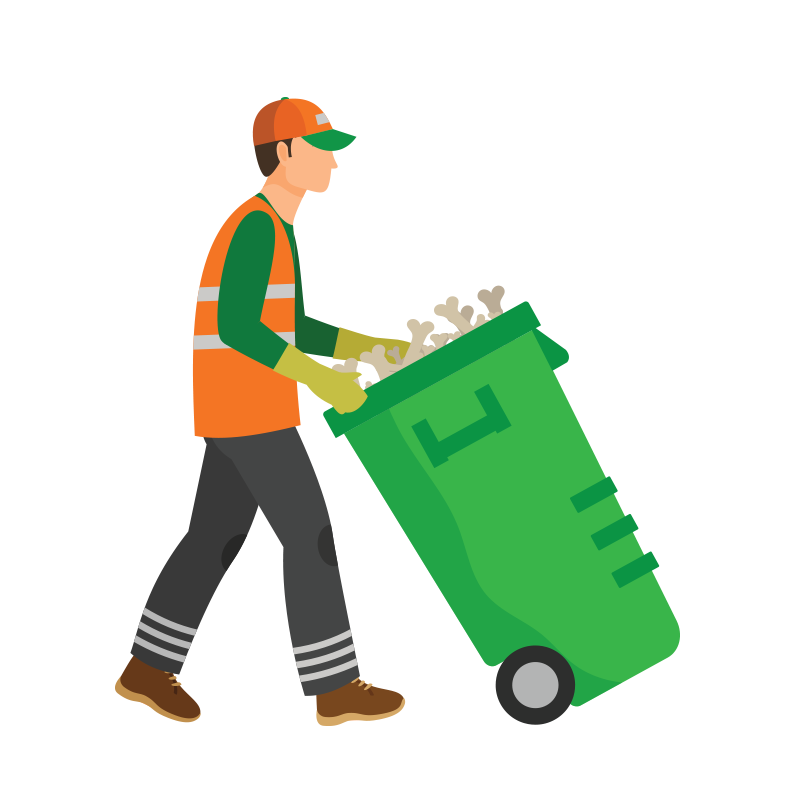
- Create a consistent feedstock for downstream processing
- Minimize odors associated with decomposing organic waste

- Reduce storage volume
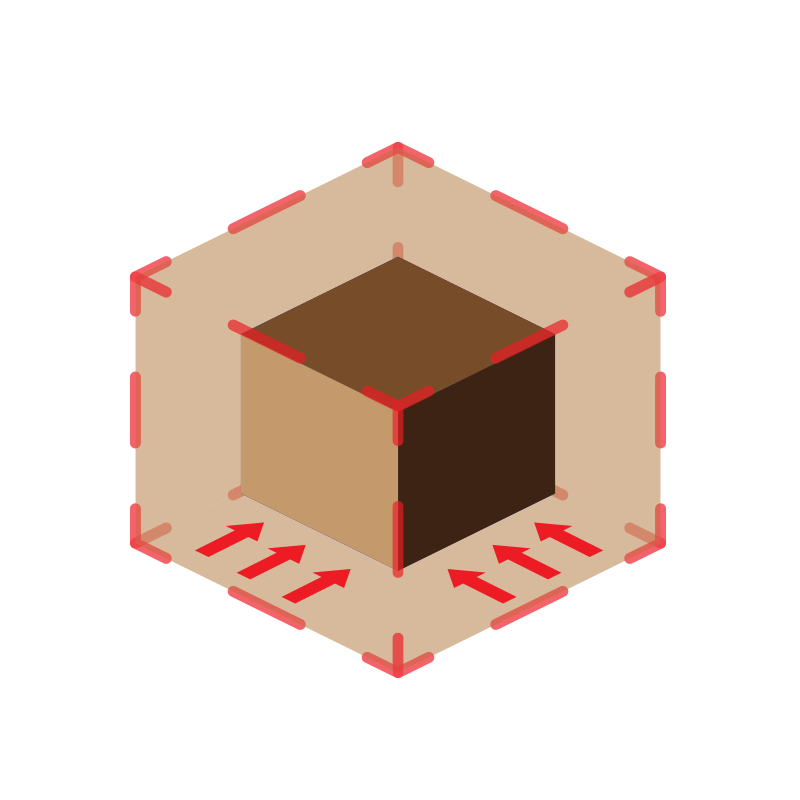
- Improve processing efficiency for rendering, composting, biodigestion, and recycling
Industrial bone shredders play an important role by converting oversized materials into consistent particles that are easier to process. The Power Knot BCG-315 shredder is engineered to process animal bones, fruit stones, fibrous plant materials, and other dense organic waste before downstream treatment or recycling.
Supporting Rendering Operations
Rendering remains one of the most effective methods for recovering value from slaughterhouse waste. During rendering, animal byproducts are converted into usable fats, proteins, and other materials for agricultural and industrial applications.
Particle size can significantly affect the efficiency of the rendering process. Oversized bones require additional handling and may reduce throughput, while uniformly sized material flows more consistently through downstream equipment.
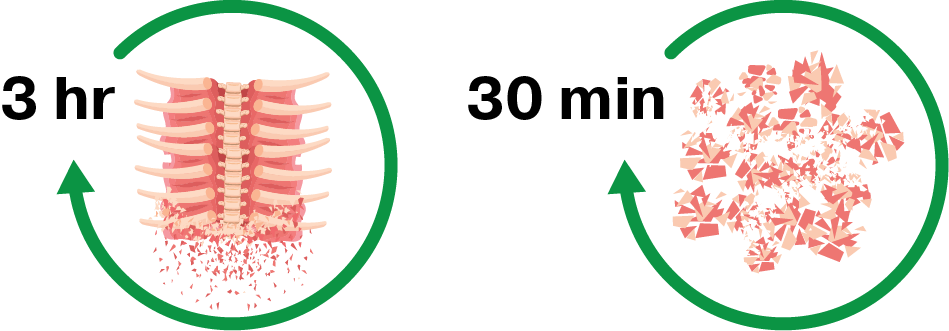
Preparing bones through size reduction helps improve process consistency and supports more efficient rendering operations.
Choosing the Right Bone Shredder
Processing animal bones requires equipment specifically designed for dense, hard organic materials. A shredder intended for general food waste may not withstand the demands of continuous operation in meat processing facilities.
The Power Knot BCG-315 shredder features a double-shaft design, low-speed high-torque motor, heat-treated cutting knives, and a reversible motor to process difficult materials while producing a consistent particle size. It is designed for applications including bone meal production, rendering, food waste recycling, and slaughterhouse waste management.
Additional capabilities include:
- Processes up to 180 kg (400 lb) per hour
- Handles bones up to 400 mm (16 in) long
- Produces output material between 15 mm and 35 mm
- Designed for continuous heavy-duty operation
Recover More Value from Slaughterhouse Waste
Animal bones are no longer simply a waste product to dispose of. With proper processing, they can become a valuable input for fertilizer manufacturing, rendering, recycling, and other resource recovery applications.
As processors continue to look for ways to reduce disposal costs and improve sustainability, recovering value from organic byproducts is becoming an increasingly important part of modern bone waste management.
Contact Power Knot to learn how the BCG-315 shredder can help prepare animal bones and other dense organic waste for post-processing applications.