
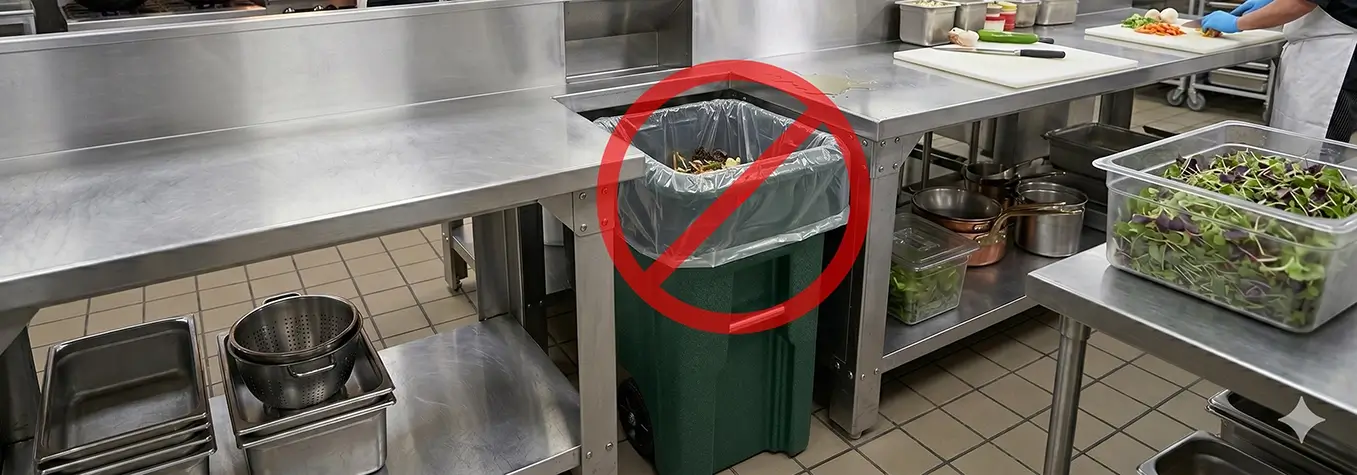
Eliminate Single-Use Plastic Bin Liners with Bin Tippers
Plastic bin liners undermine composting and biodigester efforts. Discover why liner-free kitchen operation is the more sustainable solution.

Power Knot at the 2026 National Restaurant Association Show: Key Trends and Takeaways
The National Restaurant Association Show returned to Chicago in May 2026. The industry is evolving rapidly with innovation, alcohol-free drinks, stainless steel lug carts, and food digesters driving conversations.
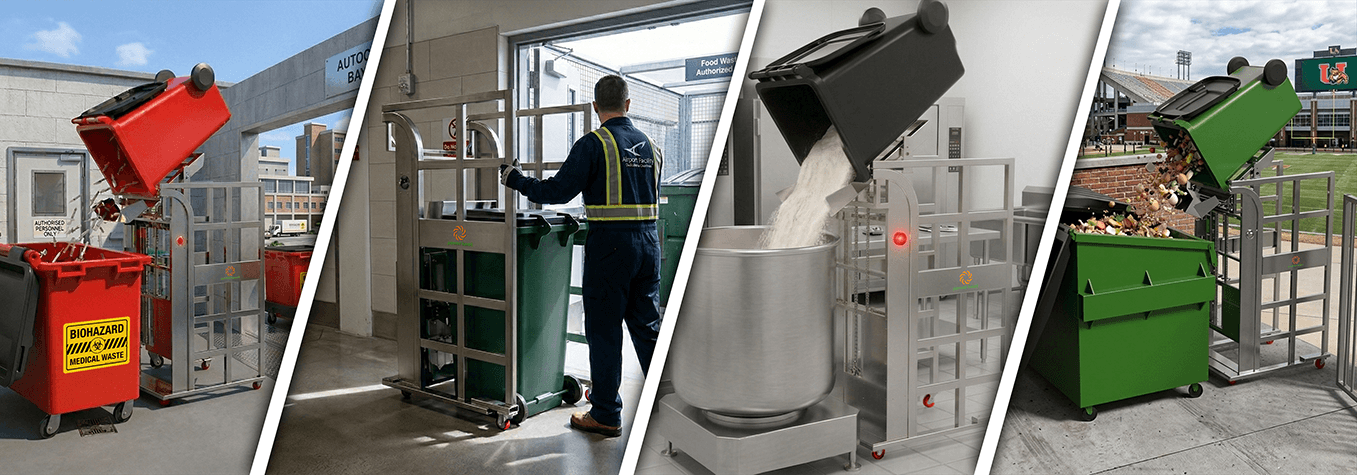
Bin Tippers in Data Destruction, Manufacturing, Healthcare, and Other Industries
Bin tippers are the secret weapon facility and operations managers use to eliminate lifting injuries, cut labor costs, and streamline waste handling.
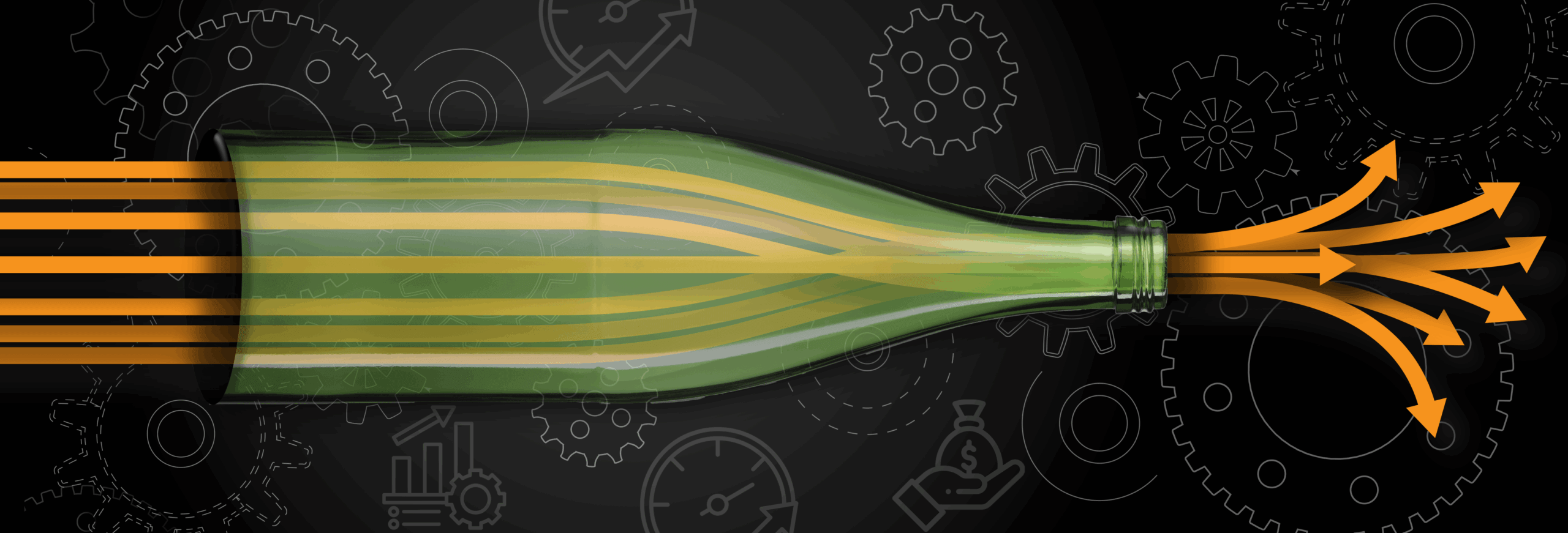
Remove Workflow Friction in Waste Handling with Bin Tippers
Manual bin handling creates hidden labor costs, workflow delays, and service disruptions in commercial kitchens and industrial facilities. Here's how the SBT bin tipper reduces downtime, improves operational efficiency, and streamlines waste management through smarter workflow engineering.

Efficiency by Design: Why Modern Kitchens are Swapping Dumpsters for Biodigesters
Here's how a commercial kitchen designer or foodservice consultant can balance workflow efficiency, strict hygiene standards, waste management costs and the aesthetic demands of a commercial kitchen with the LFC biodigester.

HB 1799: The Foundation of Washington’s Food Waste Regulations
Learn how Washington’s HB 1799 is reshaping food waste regulations, driving composting, food recovery, and new organic waste management strategies statewide.
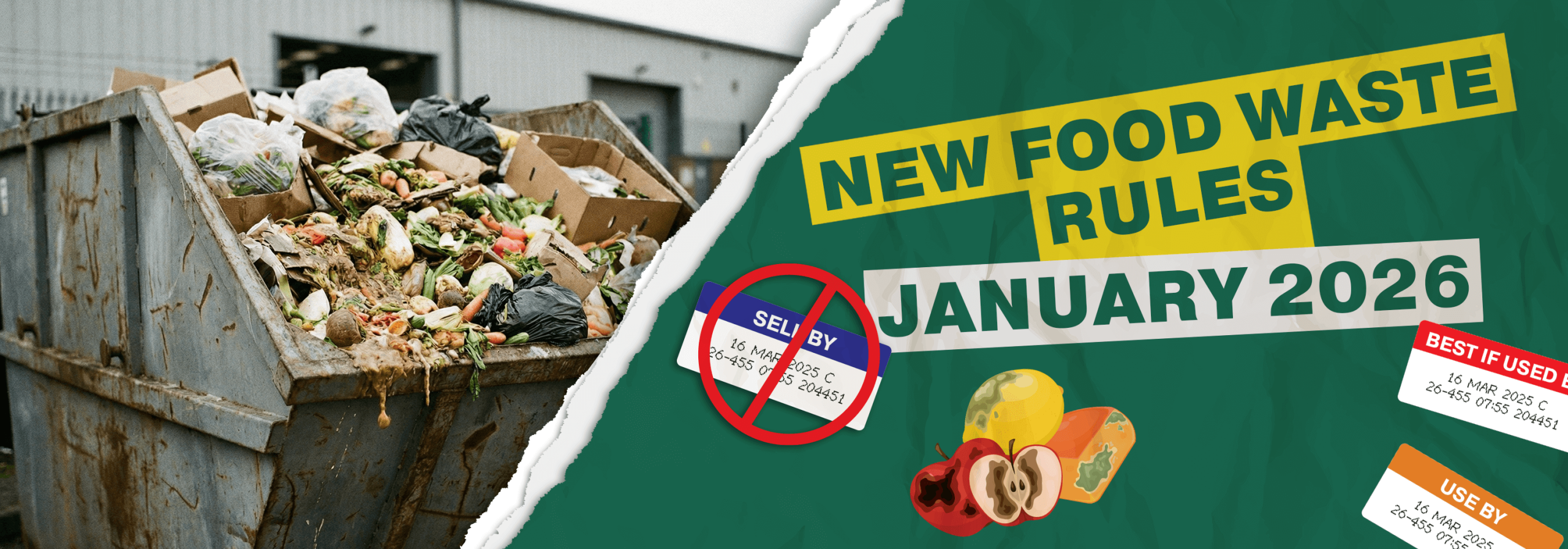
Key Food Waste Laws & Regulations in the USA in 2026
Food waste regulations are gaining traction across the United States as an essential tool for reducing the environmental and economic impacts of food waste. Each year, approximately 30% to 40% of all
How Luxury Hotels are Turning Food Waste into a Win-Win
Leading luxury hotels are cutting buffet waste and boosting sustainability with creative kitchen strategies, Power Knot’s LFC biodigester, and The Pledge on Food Waste framework.
The Right to Repair and Power Knot’s Commitment to Customer Empowerment
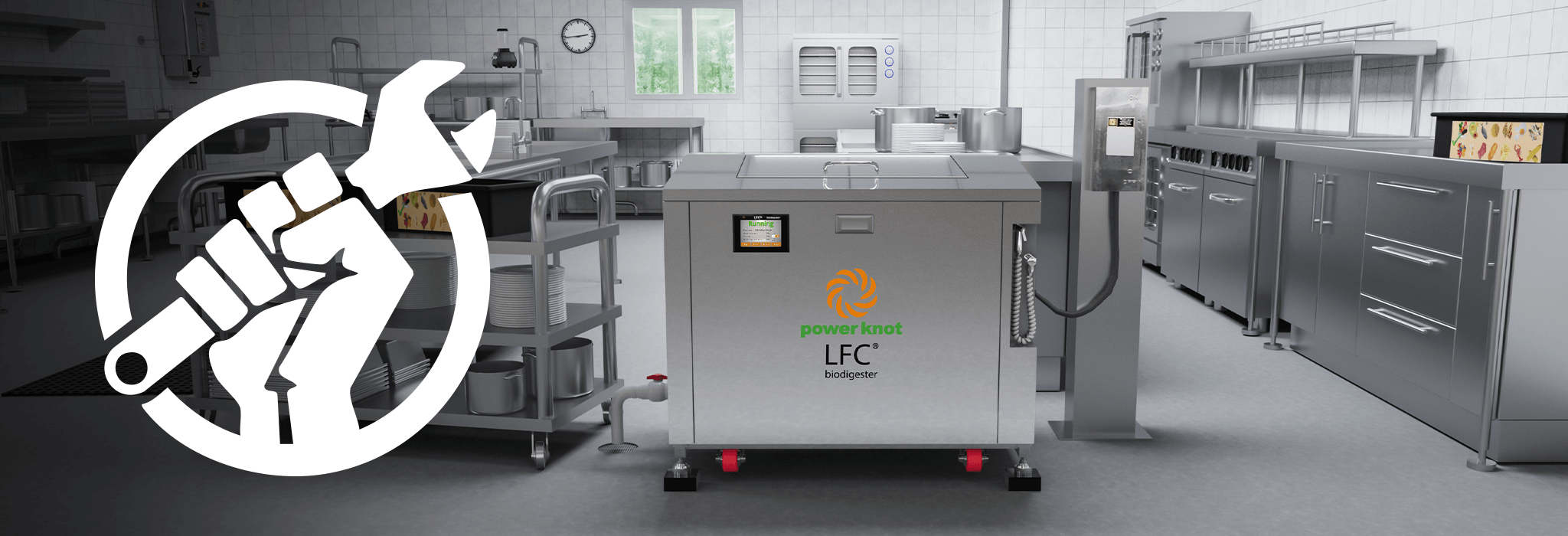
The Right to Repair movement is reshaping sustainability worldwide. Power Knot supports this principle by empowering customers to maintain and repair their LFC® biodigesters with full transparency, detailed documentation, and accessible parts, extending product life and reducing waste.


Blog: Food For Thought (And Not For Landfill)
Explore the latest articles on food waste reduction, sustainability strategies, industry developments, aerobic digester technology, and expert insights to drive smarter waste solutions.
Filters
Industry
Category
Power Knot provides environmentally sound products that help reduce costs while reducing your carbon footprint. We manufacture the LFC biodigester that uses aerobic digestion to convert food waste into water.
Contact Info
Copyright © 2009-2026 Power Knot LLC. All Rights Reserved.