
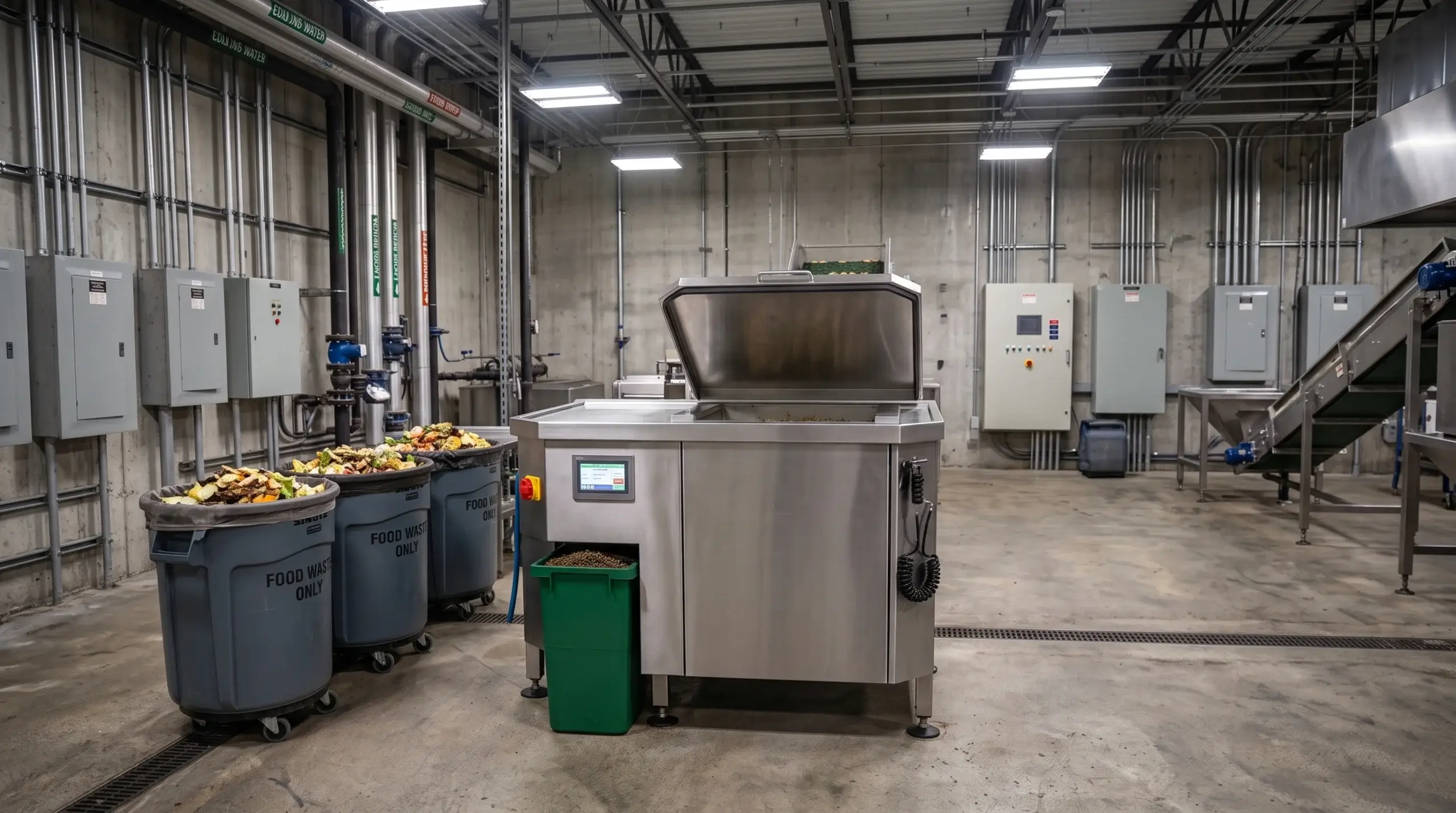
The Pros and Cons of Rapid Thermal Processing Food Waste
Rapid Thermal Processing can reduce food waste weight and volume by up to 80%. Learn how it works, its limitations, costs, and alternatives.
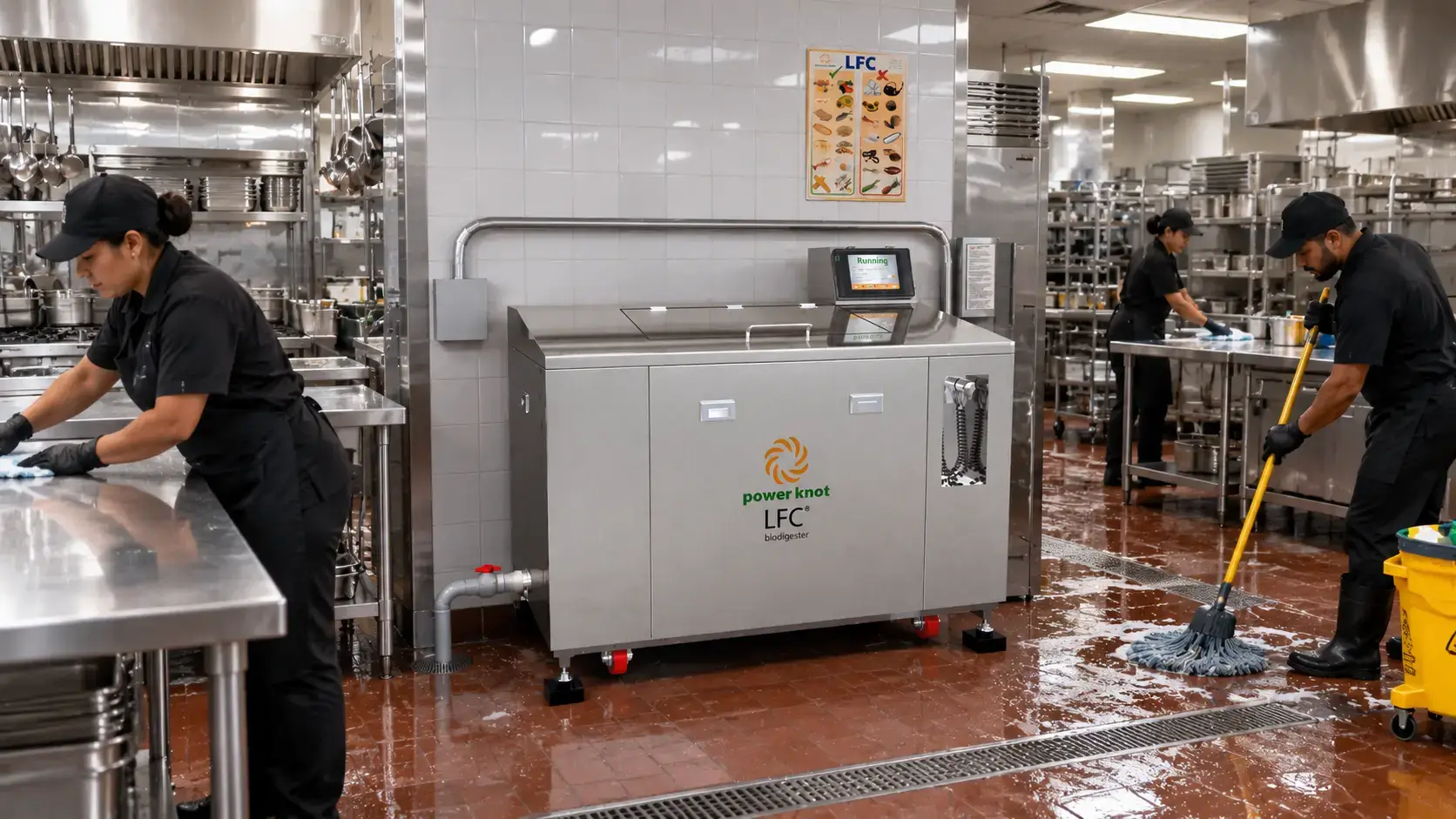
Food Waste Digester Maintenance: What Facility Managers Need to Know
Learn what food waste digester maintenance involves, including cleaning, preventive service, consumables, monitoring, and operator training.
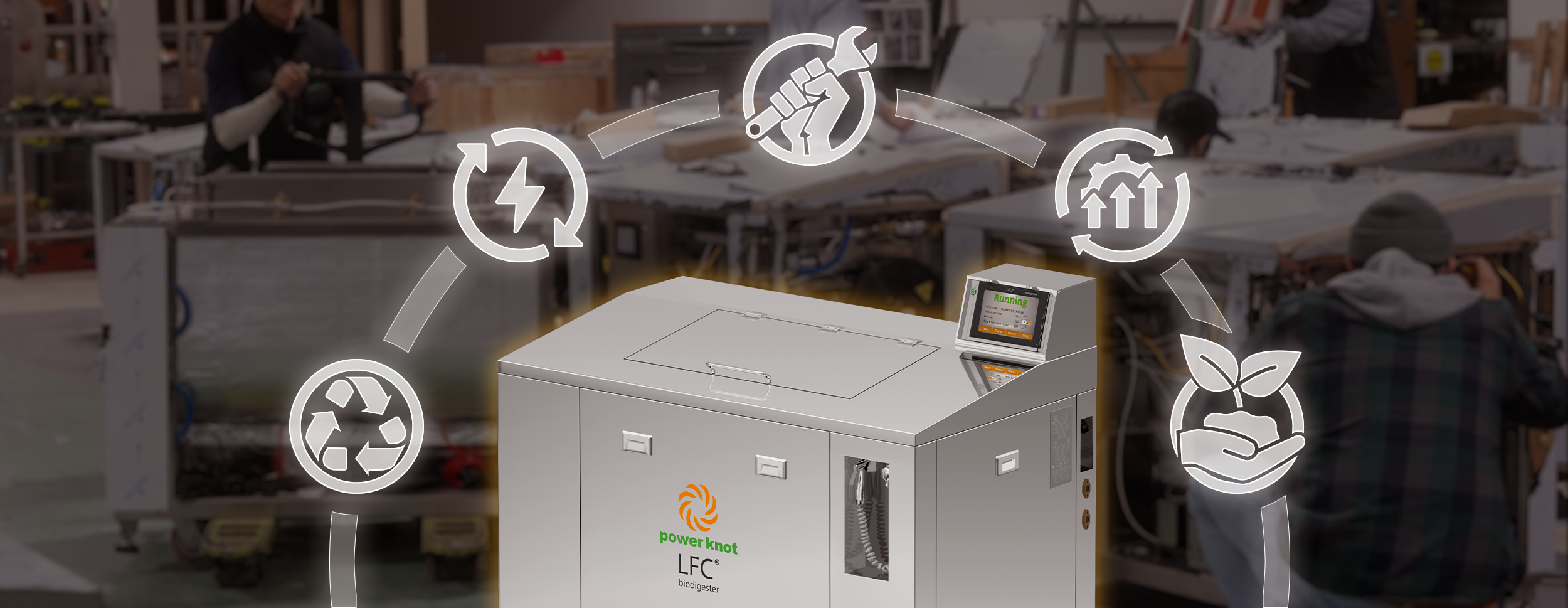
Power Knot is Built for Sustainability: From Repairable Equipment to Renewable Energy
Power Knot advances sustainability through Right to Repair practices, long-lasting equipment, and 100% renewable energy at its Fremont facility.
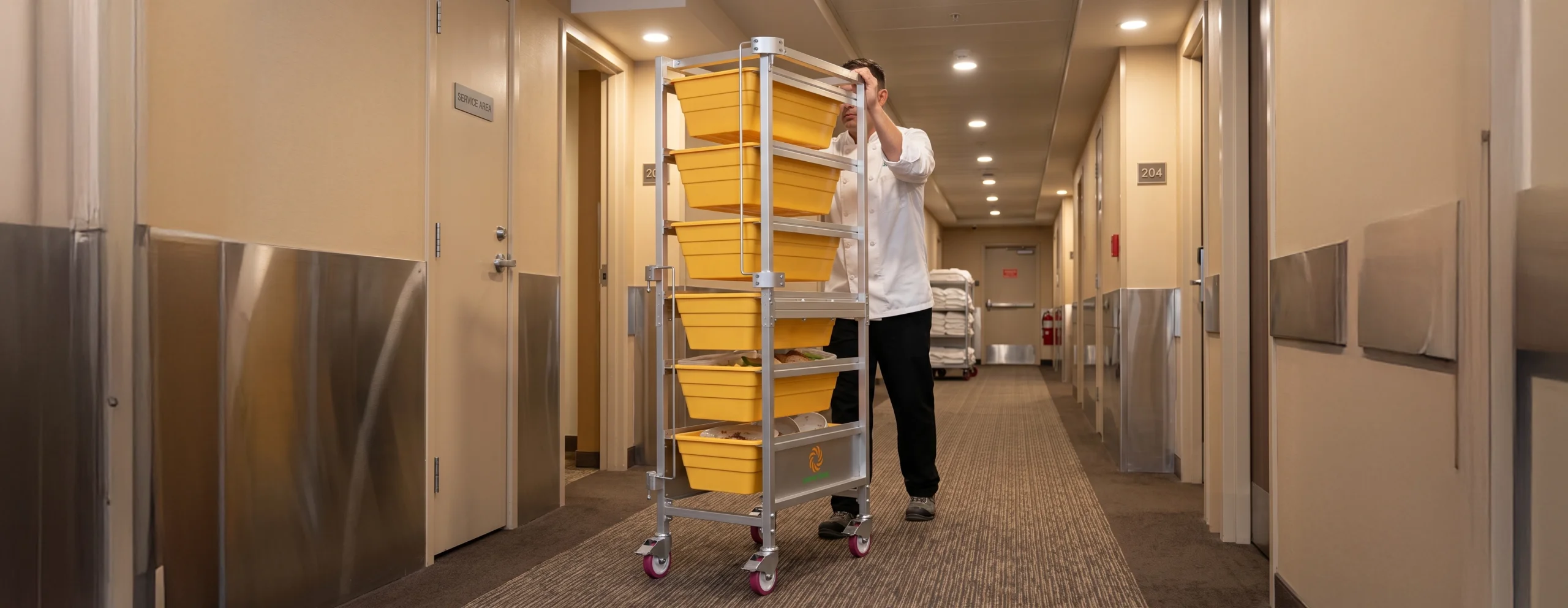
Features to Look for When Buying a Commercial Lug Cart
Here are the key features to look for when choosing a commercial lug cart, including stainless steel construction, secure bin support, heavy-duty casters, easy...
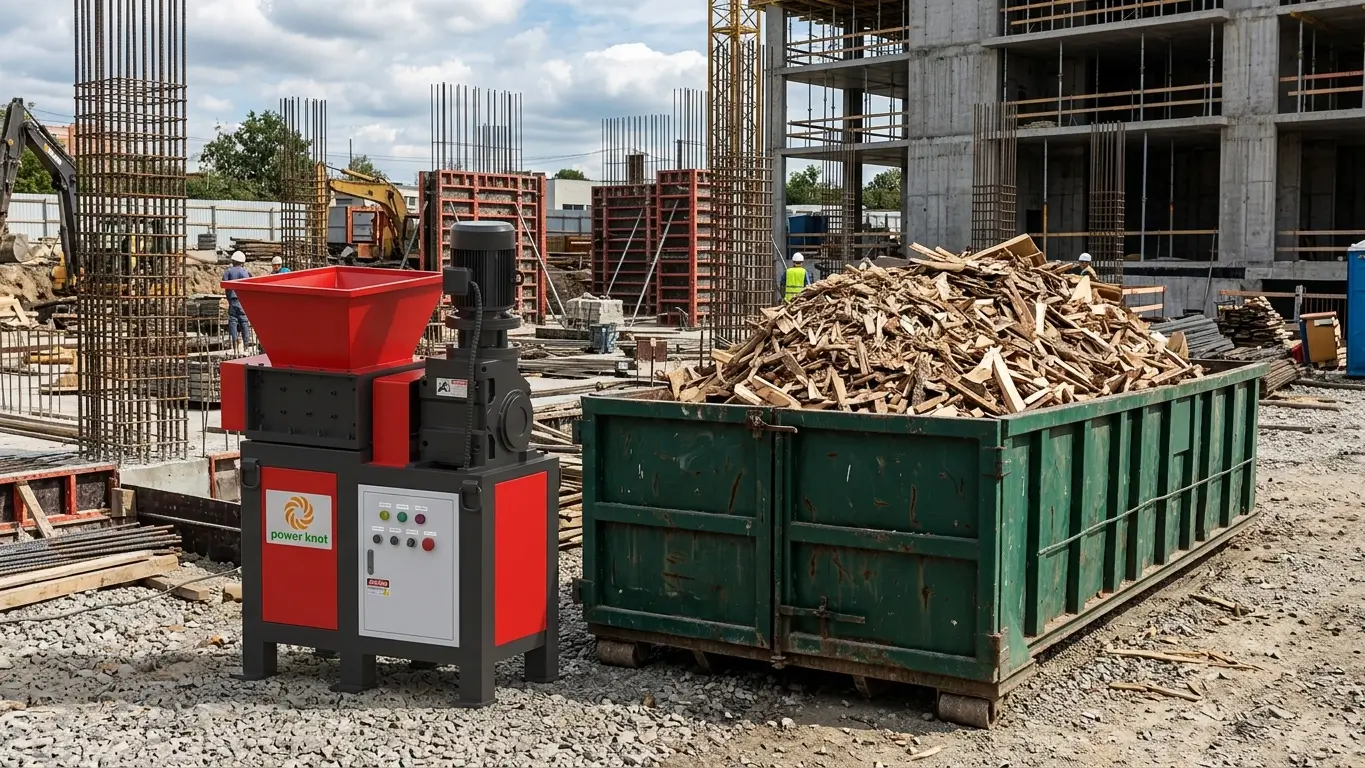
How Industrial Shredders Support Construction and Demolition Waste Recycling
Industrial shredders reduce bulky construction waste, lower hauling costs, and prepare wood, vegetation, and organic materials for recycling. Here's how to choose the right...
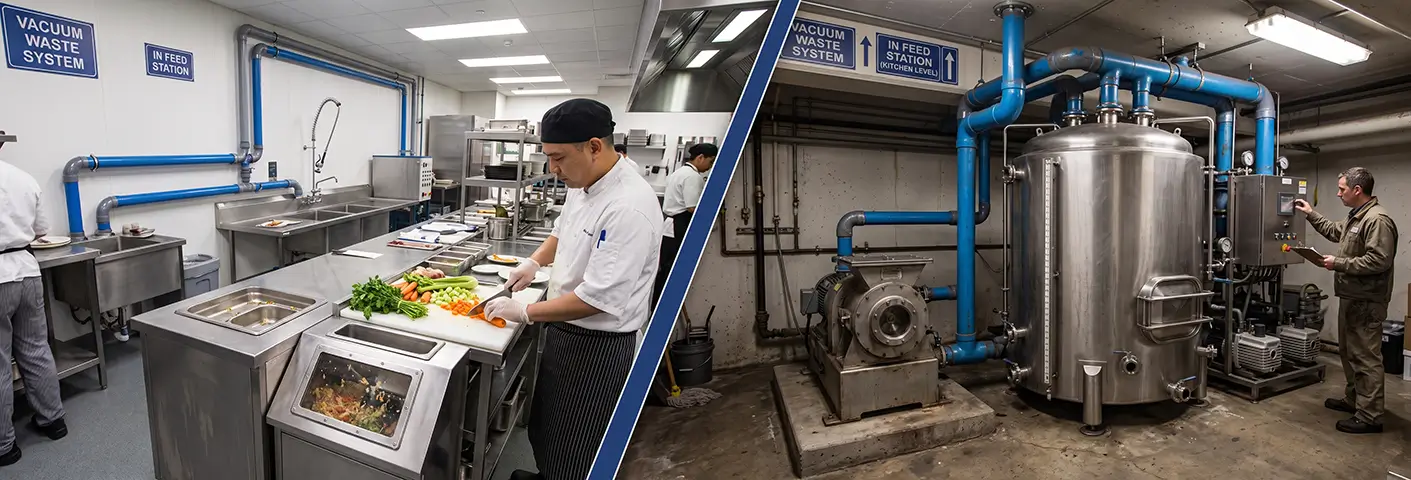
The Pros and Cons of Vacuum Maceration & Holding Systems
Vacuum maceration and holding systems simplify food waste collection and transport. Learn how they work, their costs, benefits, limitations, and alternatives.
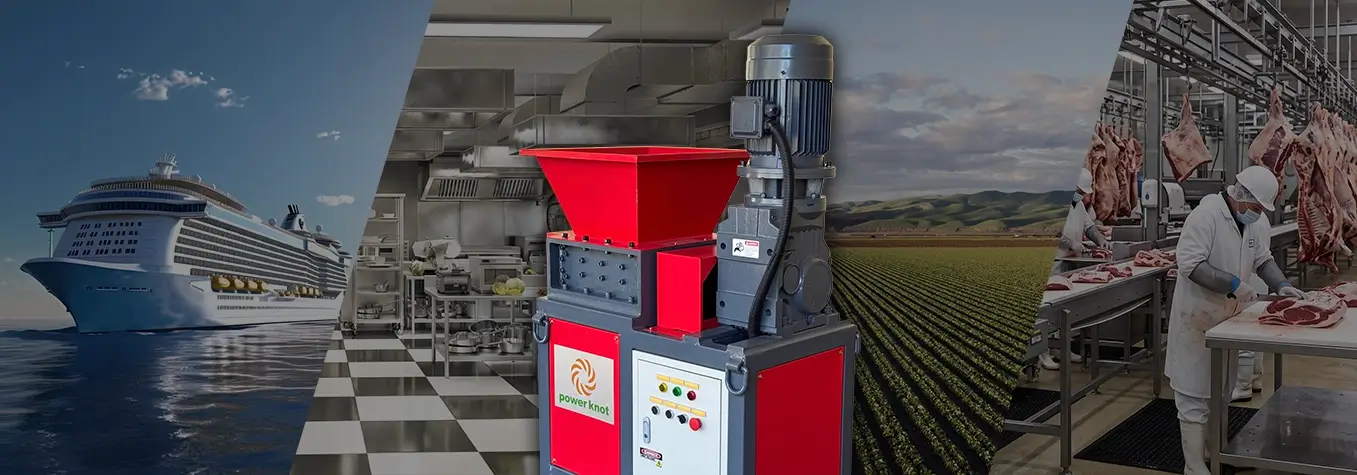
A Comprehensive Guide to Industrial Shredders
This comprehensive guide explains how industrial shredders work, where they are used, and what features matter most when selecting one.
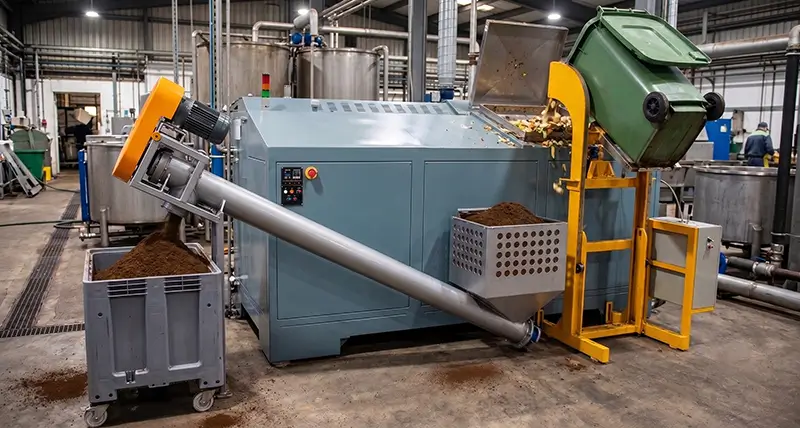
The Pros and Cons of Batch Thermal Dehydration for Food Waste
Batch thermal dehydration uses heat to reduce food waste weight and volume. Learn how it works, where it's used, and whether it's the best...

Stainless Steel vs. Aluminum Lug Carts: Which Lasts Longer?
Here's why stainless steel lug carts outperform aluminum in commercial kitchens. We compare durability, hygiene, corrosion resistance, and long-term value for food waste handling.


Blog: Food For Thought (And Not For Landfill)
Explore the latest articles on food waste reduction, sustainability strategies, industry developments, aerobic digester technology, and expert insights to drive smarter waste solutions.
Filters
Industry
Category
Power Knot provides environmentally sound products that help reduce costs while reducing your carbon footprint. We manufacture the LFC biodigester that uses aerobic digestion to convert food waste into water.
Contact Info
Copyright © 2009-2026 Power Knot LLC. All Rights Reserved.