

The Maldives’ Movement towards Sustainable Waste Management
With more than 80% of its 1,190 coral islands standing less than 1 meter above sea level, the Maldives is particularly vulnerable to changes...

Building a Business Case for Sustainability Solutions: Carbon Summit Recap
Over the course of two days, experts in the fields of agriculture, sustainability, climate change, and renewable technologies shared their visions in the first...
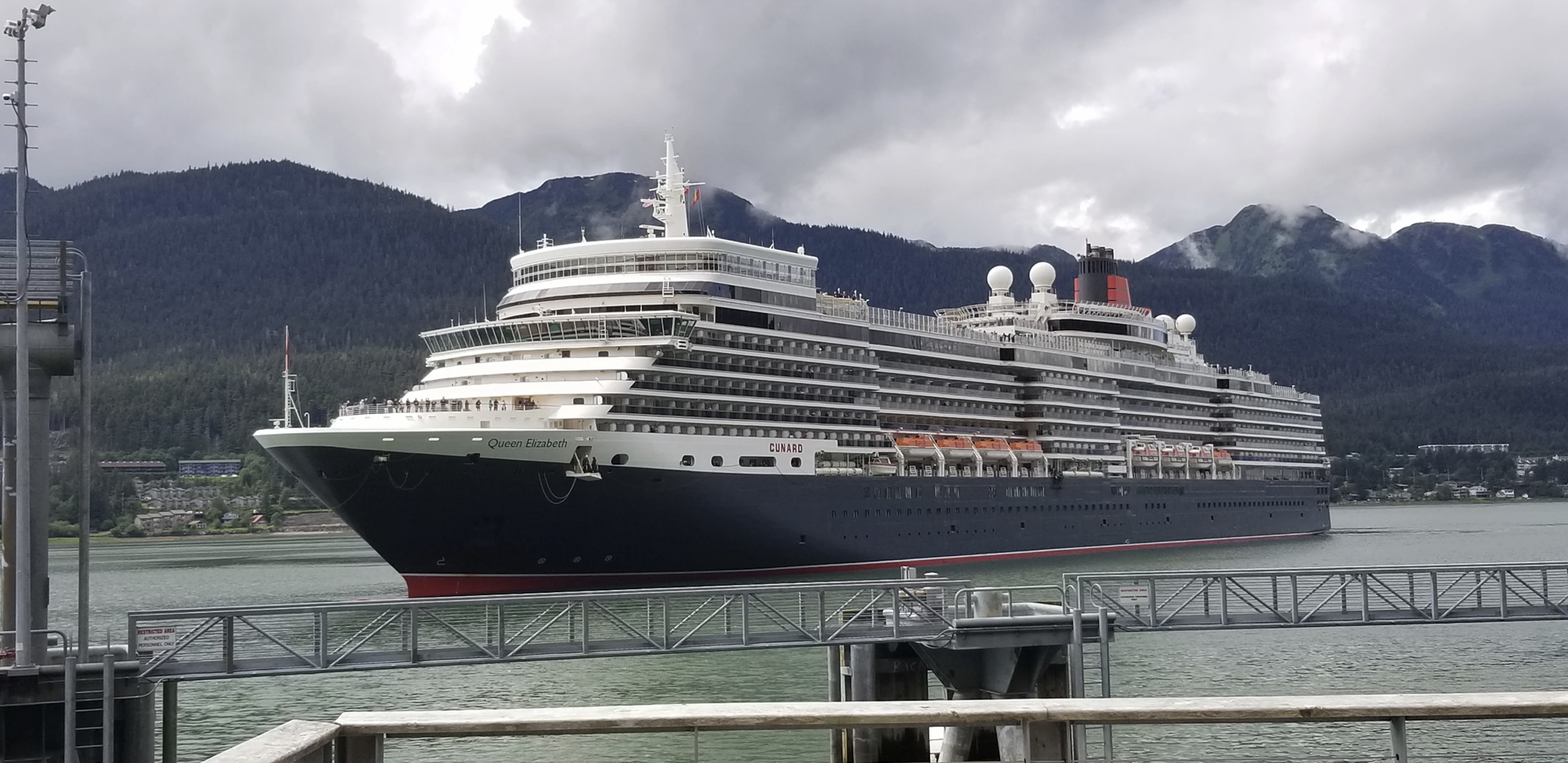
Cruise Ships Set Sail with Power Knot Biodigesters on Board
As more cruise lines seek to green their operations, balancing sustainability, operation costs, and MARPOL regulations, food waste has presented an opportunity to make...

4 Reasons Why Biodigesters are the Intelligent Food Waste Solution for Aged Care Facilities
Aged care facilities are discovering four major benefits to owning an LFC biodigester: increase cleanliness, lower costs, save time, and supporting staff.
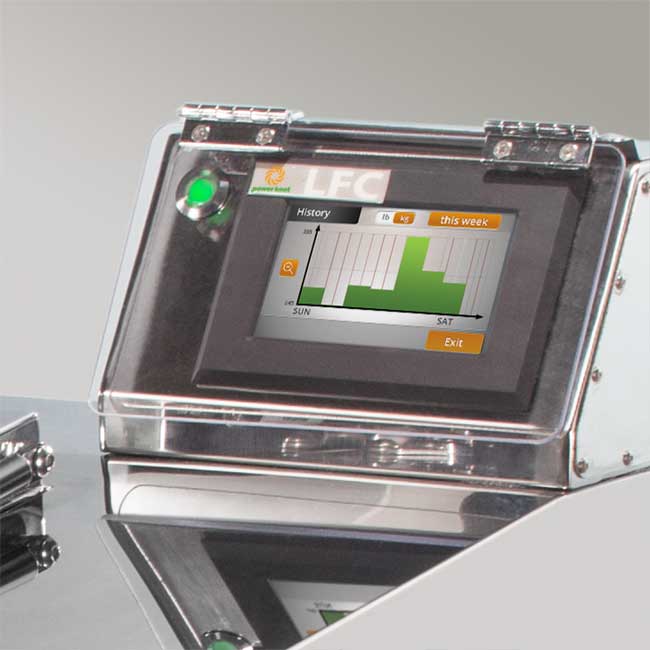
How Data Analytics on Food Waste Can Help Optimize Your Operations
Most kitchen managers don't give a second thought to the organic waste going into the trash. However, restaurants and commercial kitchens can stand to...
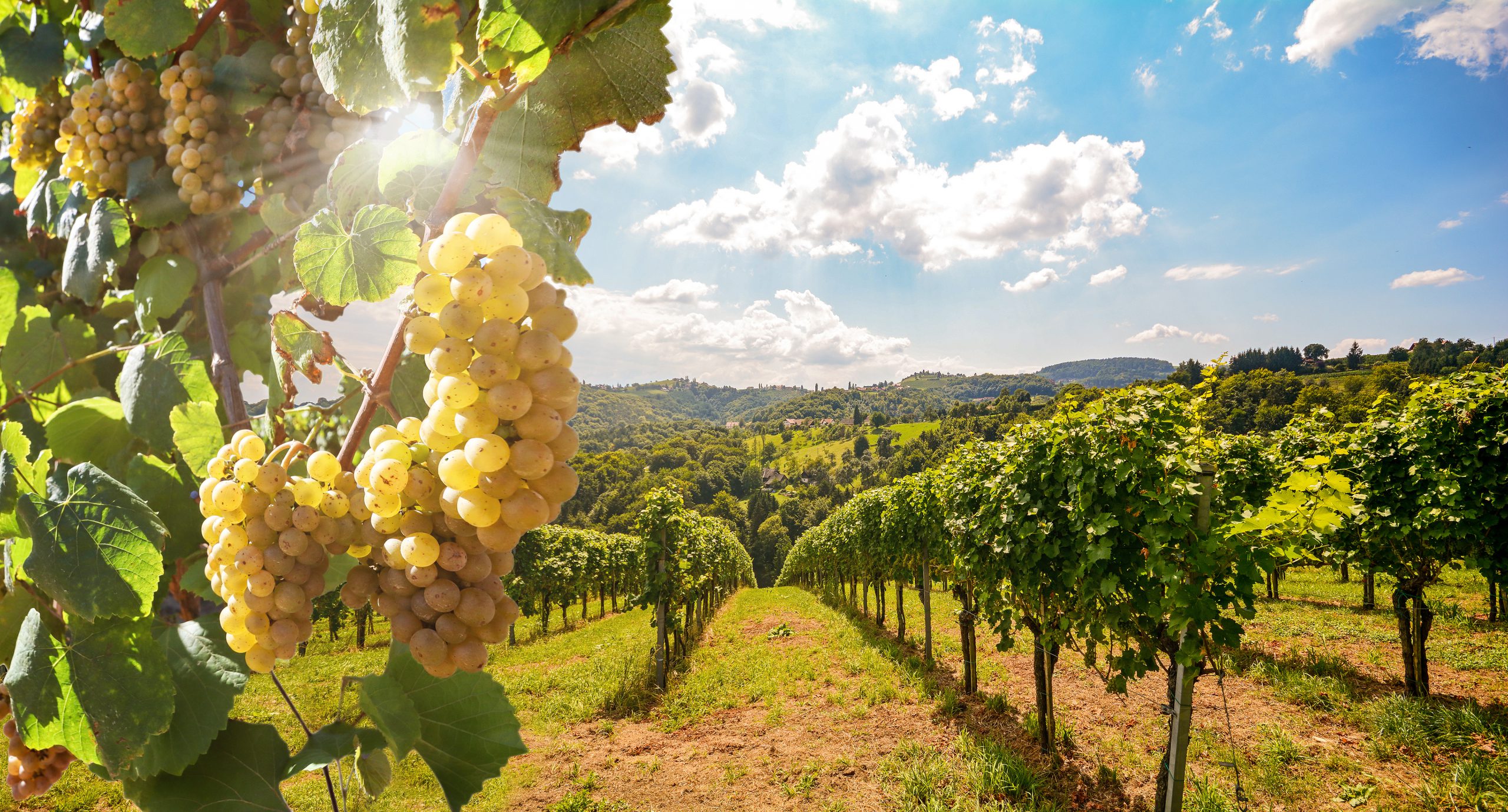
Balancing Sustainability and Customer Experience in Wineries, Breweries and Distillers
Sustainable wineries attract more consumers, proclaimed a recent article in Grapevine Magazine. It cited surveys of wine consumers in the U.S., Canada, Sweden and...
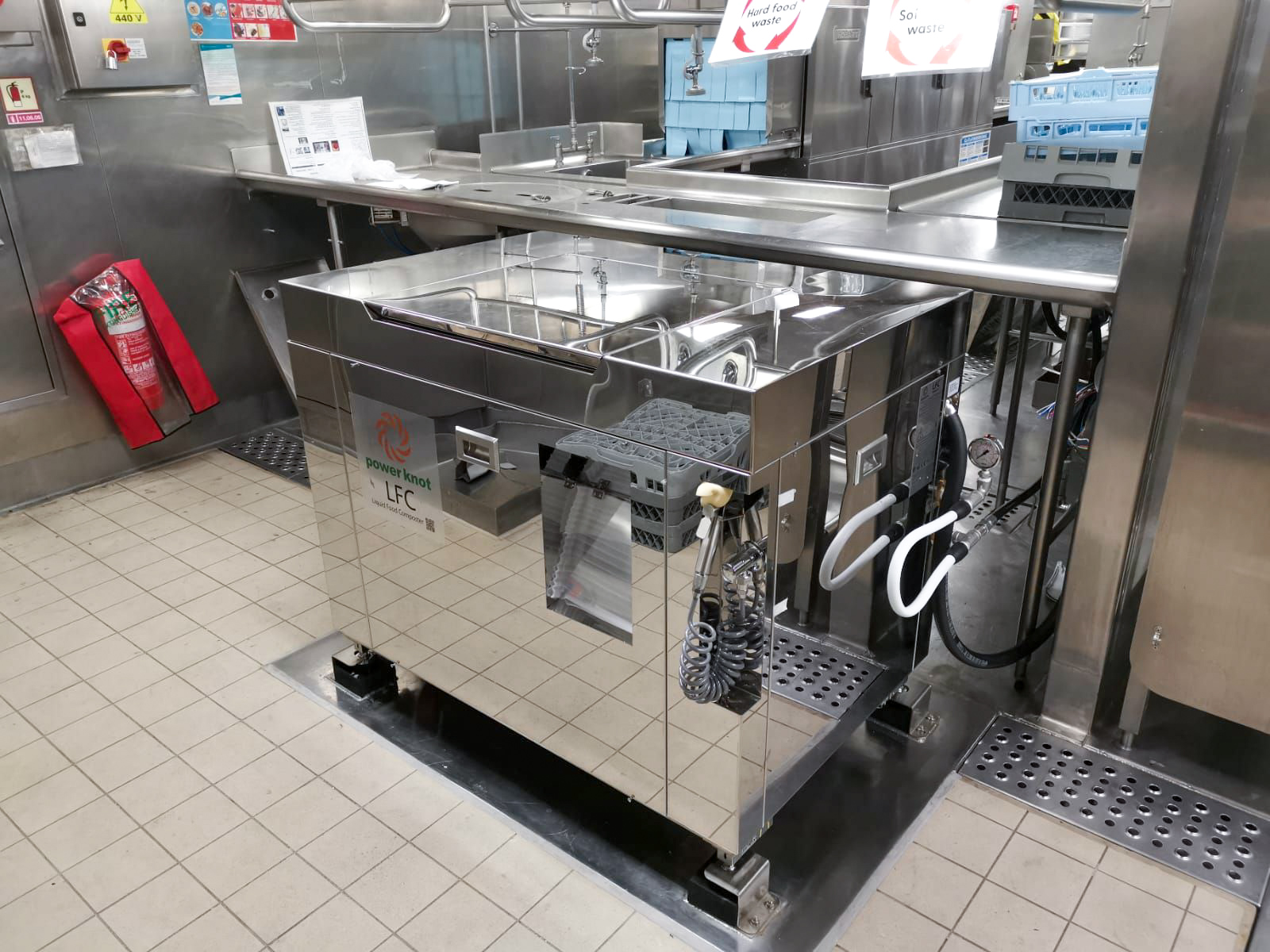
Install a Food Waste Digester in Four Simple Steps
Contrary to popular belief, installing a food waste digester is very easy. Most LFC biodigesters can be installed in less than a day. Following...

The Food Waste Impact on Earth Day
The LFC biodigesters saved 26,700 tonne CO2e in 2020. Customers using our biodigesters diverted 6300 tonne (14 million lb) of organic waste from the...

Achieving Zero Food Waste in the Education Sector
U.S. school food waste amounts to 530,000 tons each year, creating 1.9 million MTCO2e of greenhouse gases. We review the hurdles to stopping food...


Blog: Food For Thought (And Not For Landfill)
Explore the latest articles on food waste reduction, sustainability strategies, industry developments, aerobic digester technology, and expert insights to drive smarter waste solutions.
Filters
Industry
Category
Power Knot provides environmentally sound products that help reduce costs while reducing your carbon footprint. We manufacture the LFC biodigester that uses aerobic digestion to convert food waste into water.
Contact Info
Copyright © 2009-2026 Power Knot LLC. All Rights Reserved.