
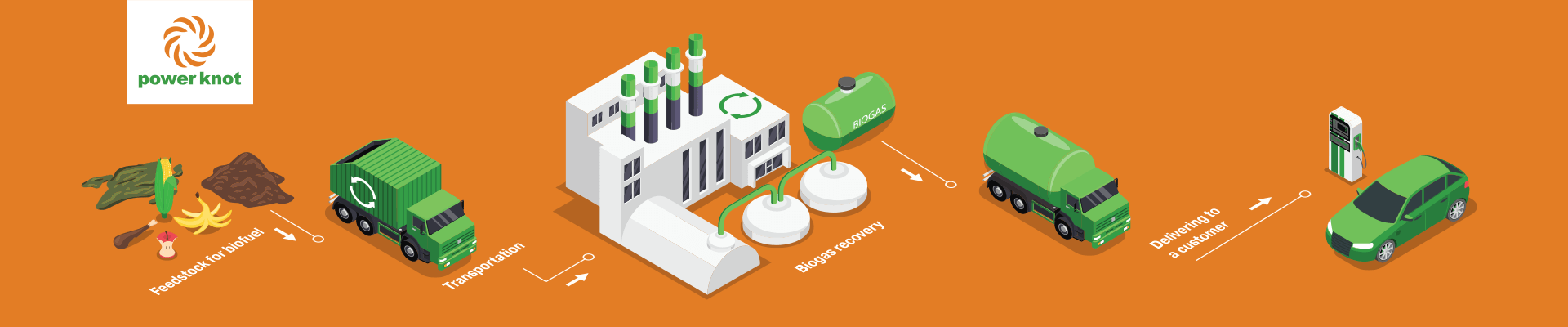
Biodigesters: environmental friend or foe?
Biodigesters and anaerobic digestion facilities are both solutions for breaking down food waste, but the differences far outweigh the similarities. We breakdown the differences...
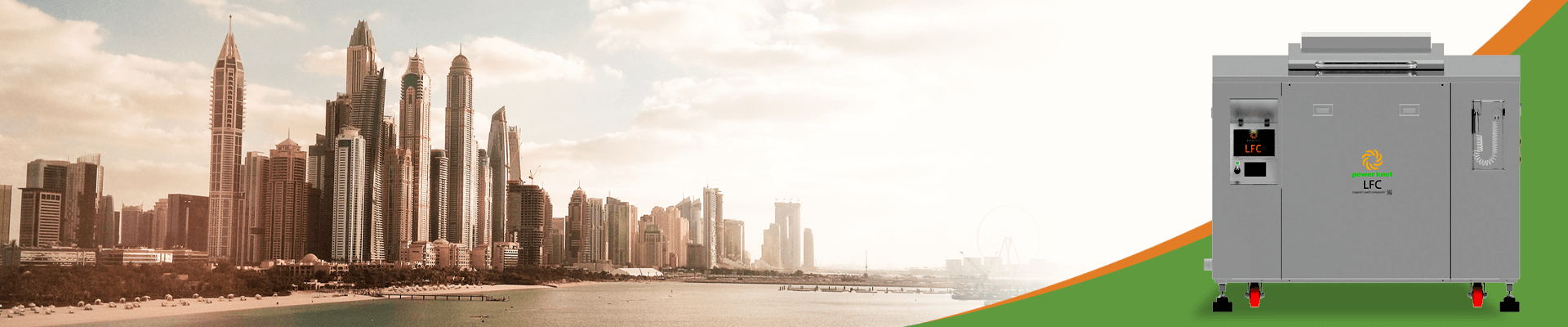
Dubai tackles food waste with new tech: the LFC biodigester
As Dubai has exploded in growth over the last few decades – growing its population 165 times over the course of just 70 years...
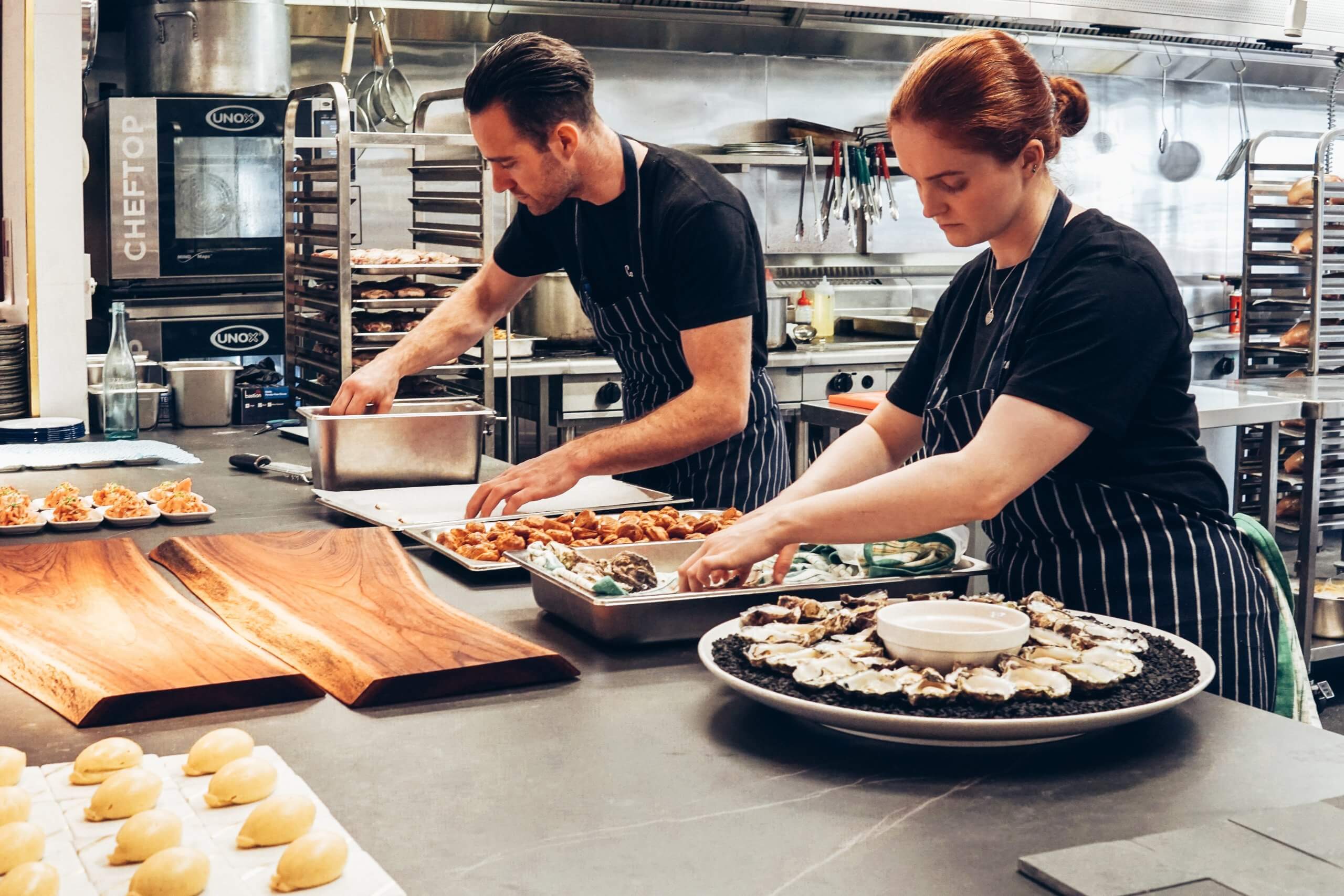
Sustainability is the key to success for restaurants in Canada
Power Knot showcased their food waste biodigester solutions at the annual Restaurants Canada Show in Toronto. Sustainability was a key theme, and Power Knot's...
Reducing Food Waste in Canada’s Restaurant Industry
Canadian restaurants generate 220,000 tonnes of food waste annually in Ontario alone. This not only represents a financial loss but also negatively impacts the...
The Current State of Seatrade Cruise Global in 2023
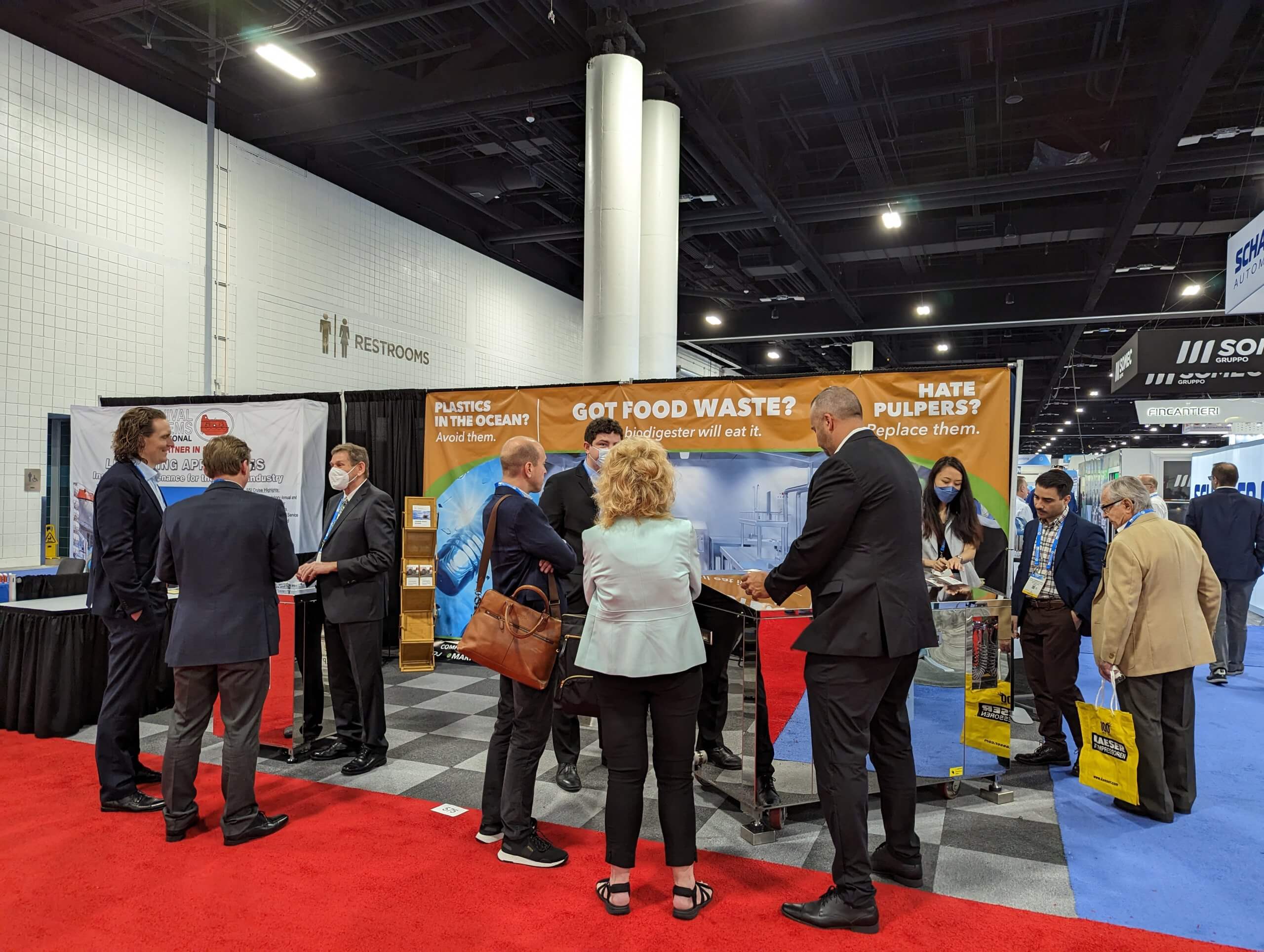
Power Knot Ocean had a successful debut at Seatrade Cruise Global 2023, with Seaborne, SeaDream, Carnival Corp & plc, and other global cruise companies...
9 reasons biodigesters are essential in every restaurant
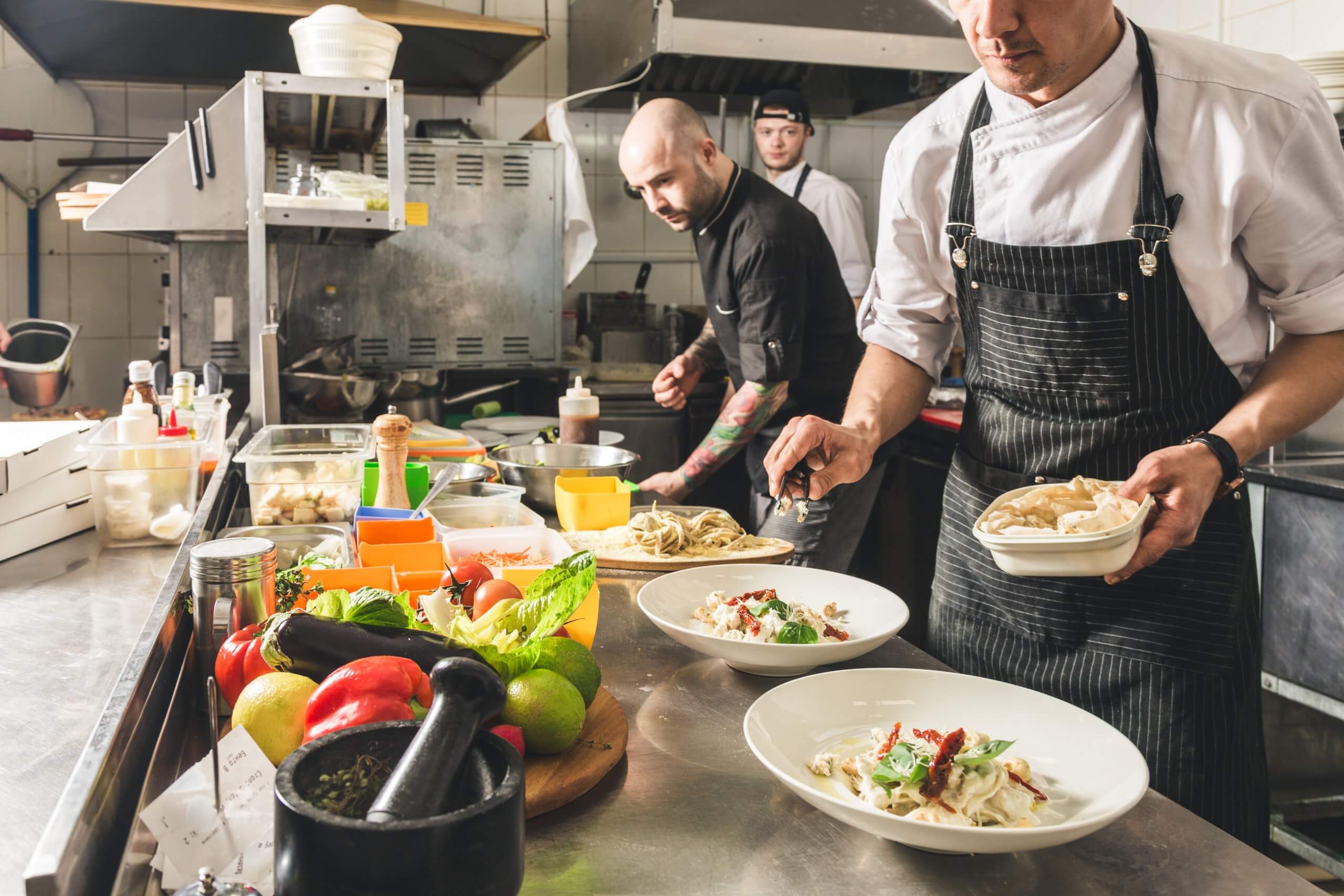
Restaurant food waste is a costly problem, and it’s not one that can be solved using traditional waste management solutions. Today’s innovative restaurant waste...

Revamping organic waste management infrastructure can mitigate climate change
Organic waste management infrastructure can play a sizable role in mitigating climate change, and municipalities around the world are beginning to recognize this. Countries...
Say Goodbye to Garbage Disposal Units: How Biodigesters are Winning the Food Waste Battle in Canada
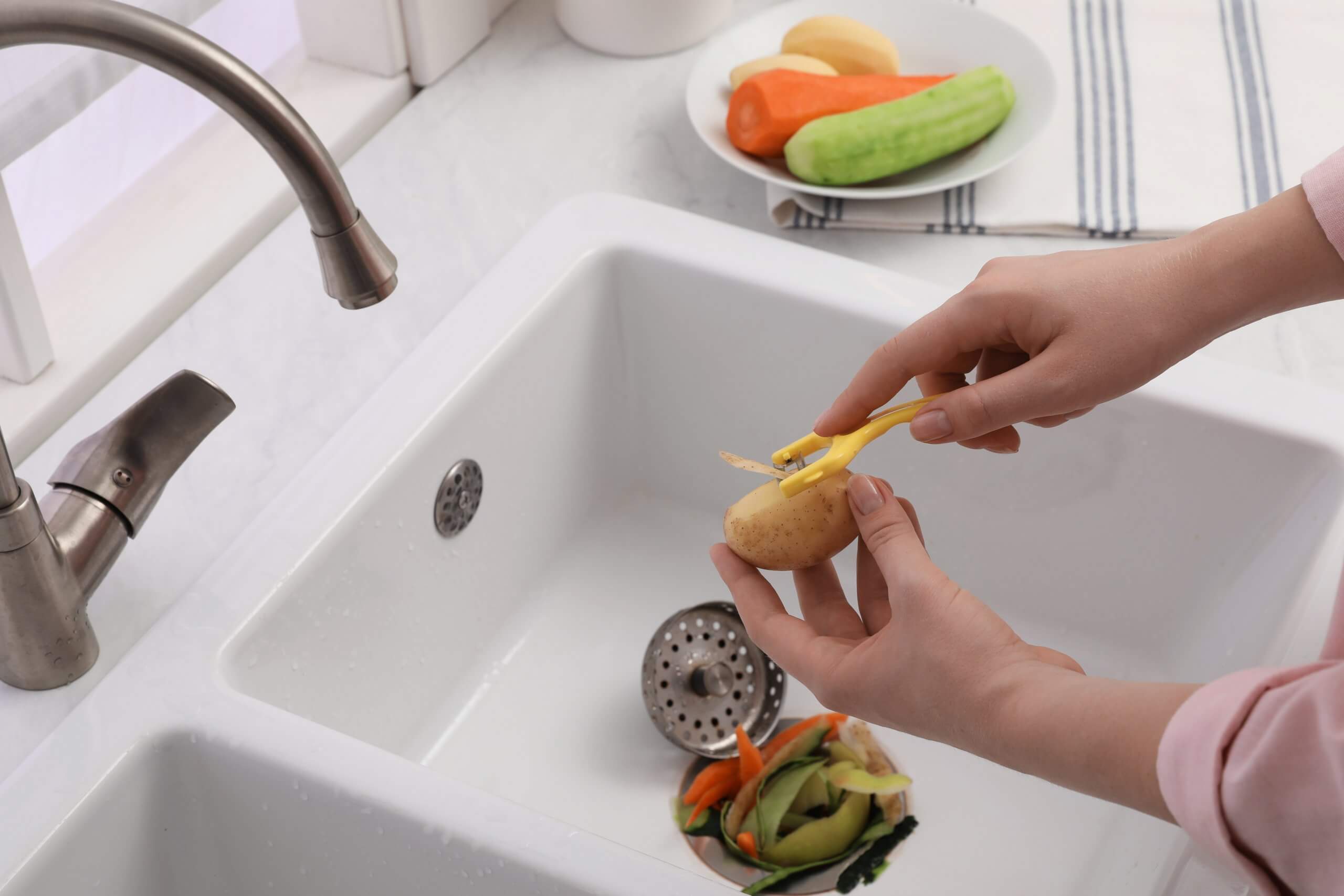
Garbage disposals are found in over half the homes in the United States, but have been banned from municipalities across Canada. We dive into...

How LFC biodigesters can tackle Europe’s LNG discharge dilemma
Over 60 LNG tanks are currently stuck at the port, unable to offload their natural gas and organic waste. The LFC biodigester helps LNG...


Blog: Food For Thought (And Not For Landfill)
Explore the latest articles on food waste reduction, sustainability strategies, industry developments, aerobic digester technology, and expert insights to drive smarter waste solutions.
Filters
Industry
Category
Power Knot provides environmentally sound products that help reduce costs while reducing your carbon footprint. We manufacture the LFC biodigester that uses aerobic digestion to convert food waste into water.
Contact Info
Copyright © 2009-2026 Power Knot LLC. All Rights Reserved.