

Hotel buffets are synonymous with abundance and luxury, offering a dazzling spread of everything from perfectly flaky pastries to rare, exotic fruits, all inviting guests to indulge. But behind the scenes, this opulence often comes with a hidden cost: a significant amount of food waste.
According to Emerald, global hotels produce an average of 289,700 tonnes of waste each year, and a staggering 79,000 tonnes of that is food waste. This waste isn’t just a leftover inconvenience; it’s a drain on resources and a major contributor to environmental problems. The cost of food waste is more than just monetary; it involves expensive and time-consuming waste management, the loss of resources used to create the food, and the production of methane—a potent greenhouse gas—when it decomposes in landfills. For hotels striving to be truly sustainable, addressing food waste is no longer an option—it’s a necessity.
Fortunately, the hospitality industry’s top players are finding innovative ways to tackle this challenge head-on. They are combining culinary creativity with cutting-edge technology to reduce food waste, not just as a cost-saving measure but as a core part of their sustainability commitment.
The Recipe for Change: Creativity in the Kitchen
Luxury hotels are moving beyond simple recycling and embracing a new ethos of waste prevention. Kitchens are becoming laboratories for sustainability, where chefs are re-envisioning everything from menu planning to ingredient usage.

Menu Optimization: Instead of offering massive, static buffets, some hotels are shifting to made-to-order stations or smaller, rotating selections. This allows for better portion control and reduces the likelihood of overproduction.

“Nose-to-Tail” Cooking, Reimagined: Chefs are getting creative with ingredients that might otherwise be discarded. For example, vegetable trimmings are being used to create flavorful broths, and leftover bread is transformed into croutons or breadcrumbs. This isn’t just about being frugal; it’s a testament to a chef’s skill and a commitment to honoring every ingredient.

Staff Engagement: The most successful initiatives begin with a culture of awareness. Hotels are engaging and training employees to see food waste as a collective responsibility. From preparation cooks to servers, every team member is empowered to identify opportunities for waste reduction.
The Technological Ingredient: A New Era of Waste Management
Creative kitchen practices, however, are only one part of the solution. To truly make a difference, hotels need a strategic, data-driven approach—and that’s where technology comes in. This is why Power Knot is proud to partner with The Pledge on Food Waste, “leading global certification that helps food service businesses implement a proven, step-by-step methodology to measure, prevent, and reduce food waste.
The Pledge on Food Waste provides certification based on a holistic framework articulated around 7 pillars and 95 criteria with clear Standard Operating Procedures (SOPs) to prevent food waste. It’s a comprehensive approach where technology like Power Knot’s LFC biodigester plays a crucial role.
The LFC biodigester is an aerobic food waste solution that not only efficiently disposes of food waste but also helps hotels implement and track key sustainability initiatives. Here’s how the LFC biodigester fits into the 7 pillars of The Pledge on Food Waste’s framework:
7 Pillars of The PLEDGE on Food Waste with the LFC biodigester
DOCUMENT

- SOPs include using the LFC biodigester as a standardized, onsite disposal solution.
- Ensures transparent documentation of how food waste is safely managed.
COMMIT
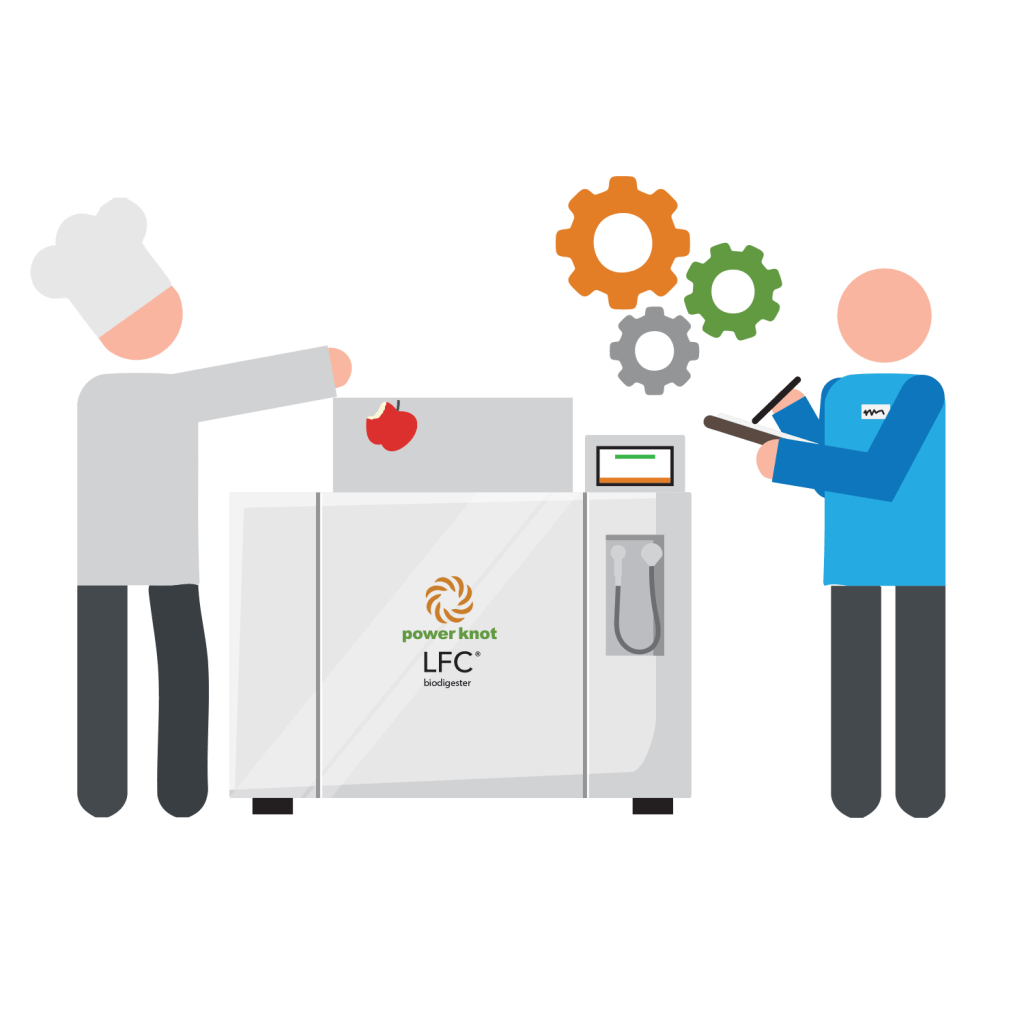
- Staff commitment reinforced by training on proper use of the biodigester.
- Demonstrates leadership in adopting innovative, sustainable practices.
MONITOR
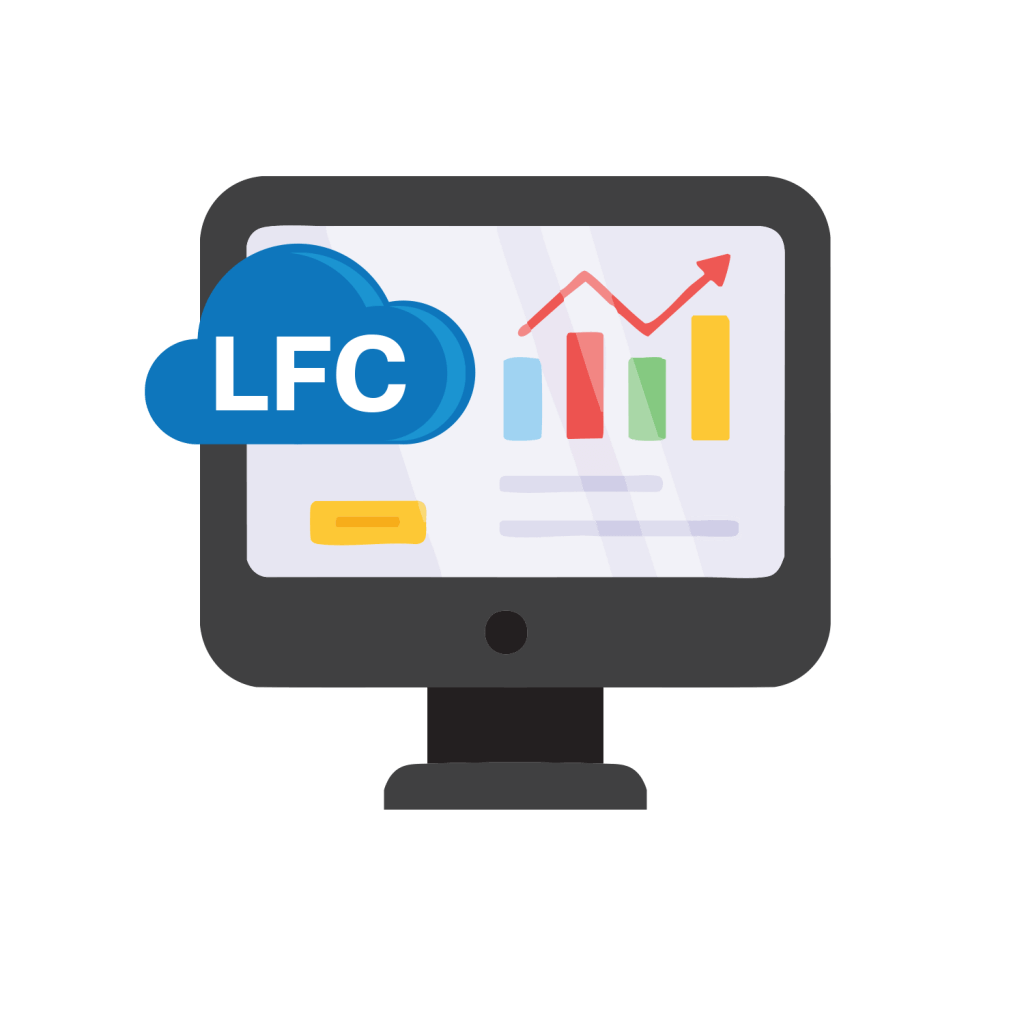
- The LFC biodigester’s built-in data tracking system measures food waste processed in real-time.
- Provides actionable insights to reduce waste at the source.
OFFER

- Complements storage and handling by ensuring that any food lost despite best practices is sustainably treated.
- Prevents accumulation of rotting waste that could cause secondary losses.
PREPARE
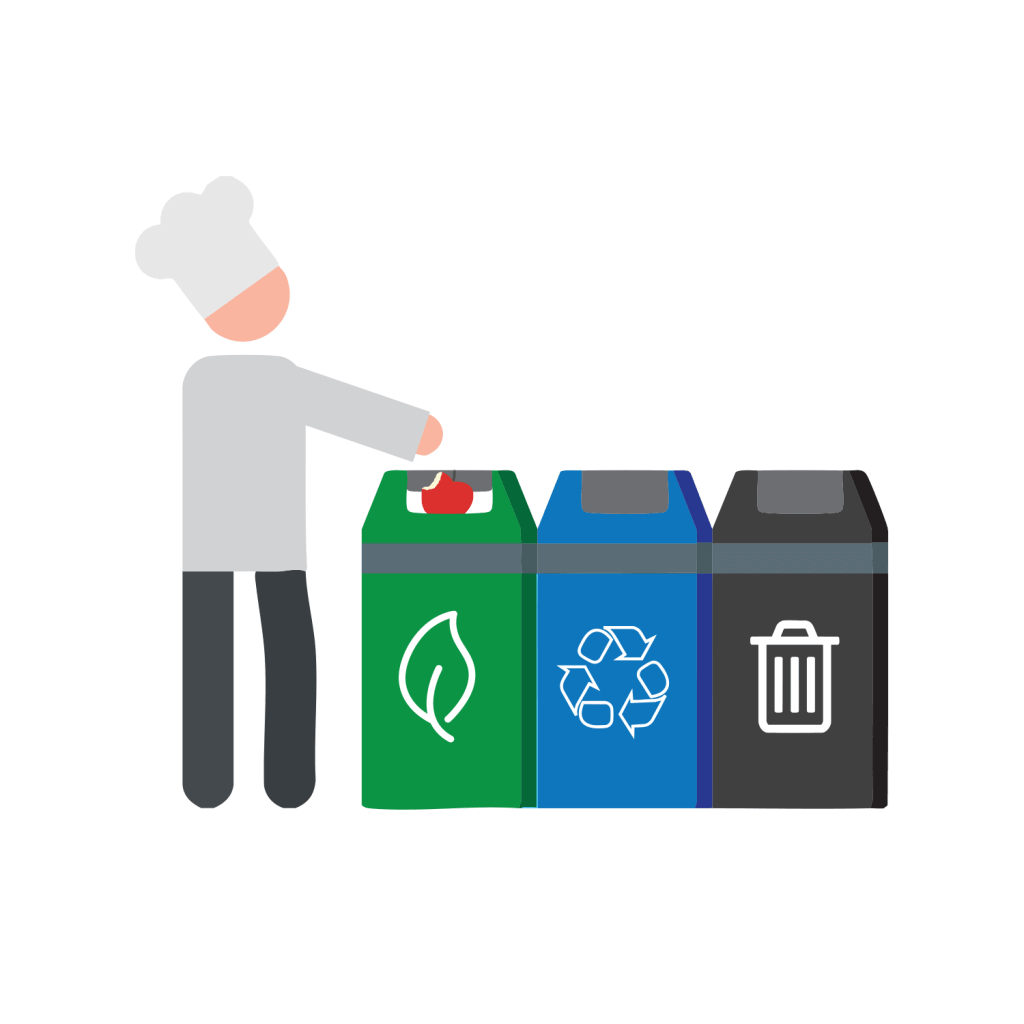
- Encourages chefs and staff to sort and separate food waste properly for efficient digestion.
- Makes the kitchen workflow cleaner, safer, and more waste-conscious.
ENGAGE

- Customers can be shown how food waste is converted into water instead of landfill waste.
- Enhances sustainability storytelling and brand trust.
DIVERT
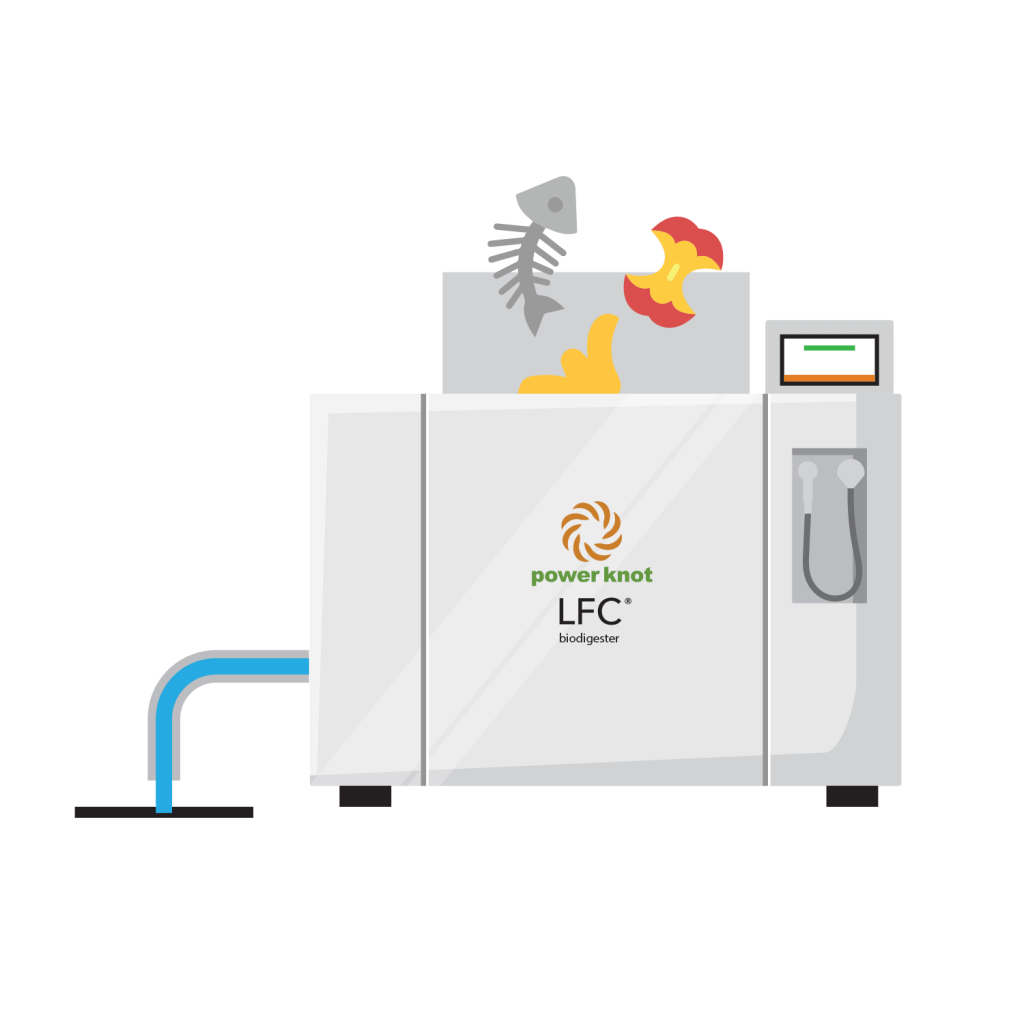
- The biodigester provides a final, zero-landfill diversion pathway for food scraps that cannot be reused or redistributed.
- Converts unavoidable waste into greywater safely returned to the ecosystem.
Example in Action: The Anatara The Palm Dubai Resort
The successful integration of creativity and technology isn’t just a theory—it’s already happening at top hotels around the world. In their 2025 Food Waste Reduction Achievement Report, the Anantara The Palm Dubai Resort announced a remarkable 98% Certified Gold Recertification for The Pledge on Food Waste.
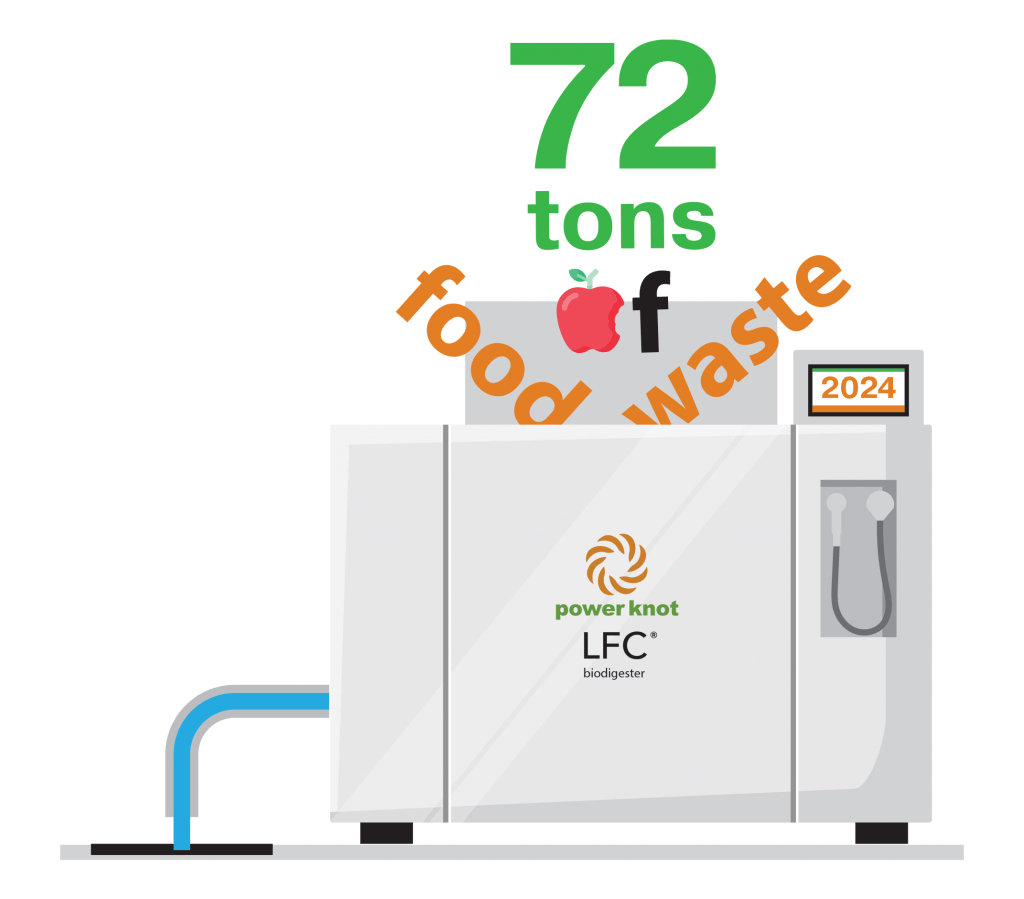
So, how did they do it? The hotel credits the LFC biodigester, which plays a central role in its sustainability efforts. As the resort stated, the machine helps “minimize the environmental impact of unavoidable food waste” by converting it into a valuable resource. In 2024 alone, their LFC biodigester diverted an impressive 72 tons of organic material from landfills.
This technology efficiently processes food waste, converting it into nutrient-rich water that is then fed back into the hotel’s irrigation system. This creates a powerful closed-loop cycle, transforming waste into a valuable resource, reducing environmental impact, and supporting the resort’s irrigation needs.
By adopting a comprehensive approach that combines creative culinary practices with data-driven technology, luxury hotels are demonstrating that sustainability and opulence can go hand in hand. They’re not just reducing their environmental footprint but also creating a more efficient, innovative, and resilient business model. The future of hospitality isn’t about limitless buffets; it’s about a smarter, more sustainable approach that benefits everyone. If you are ready to take the first step towards a zero-waste future for your hotel, contact Power Knot or The PLEDGE on Food Waste today.