
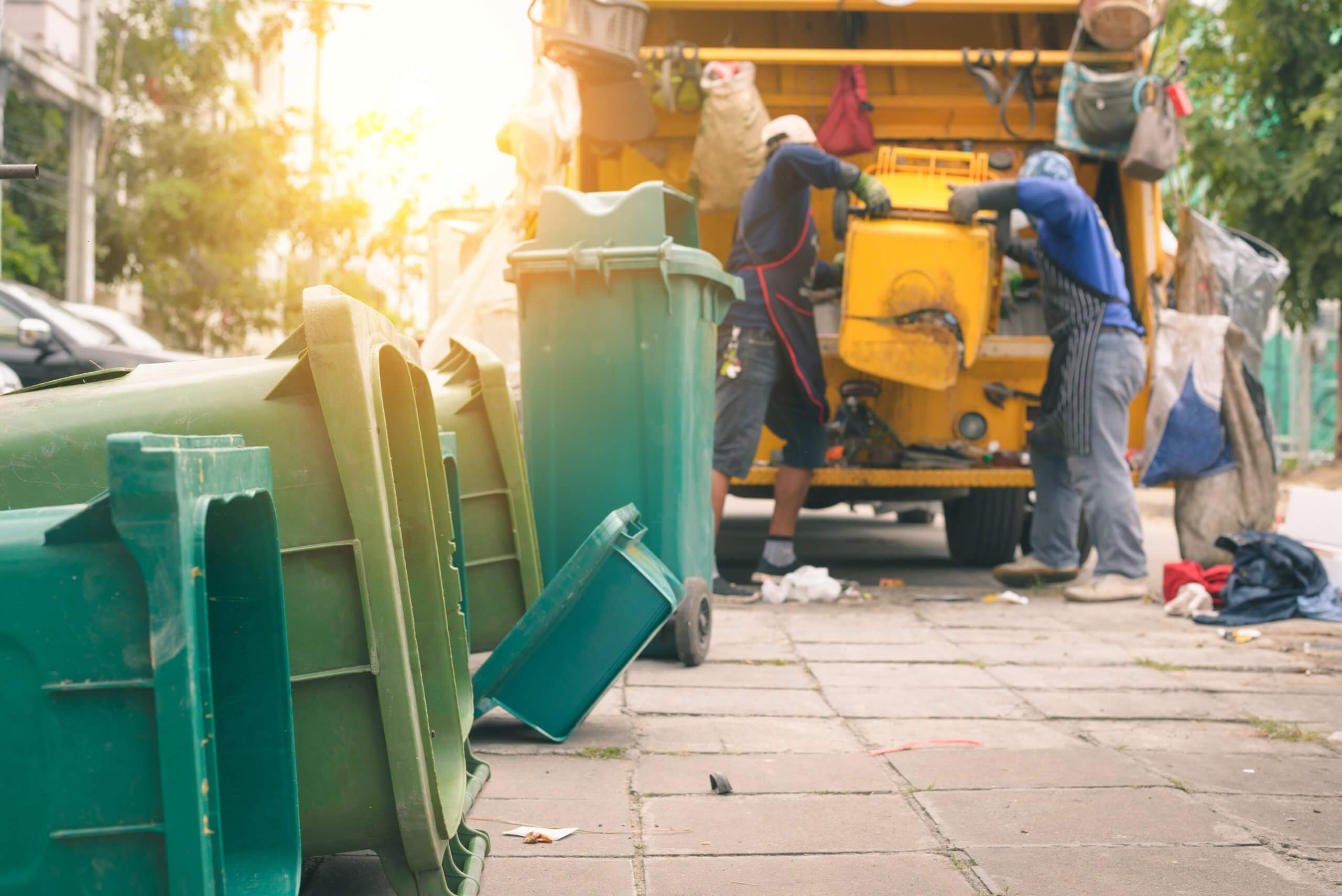
Revamping organic waste management infrastructure can mitigate climate change
Organic waste management infrastructure can play a sizable role in mitigating climate change, and municipalities around the world are beginning to recognize this. Countries such as South Korea, Chile, and Indonesia are implementing rules to help enforce these world-changing solutions.
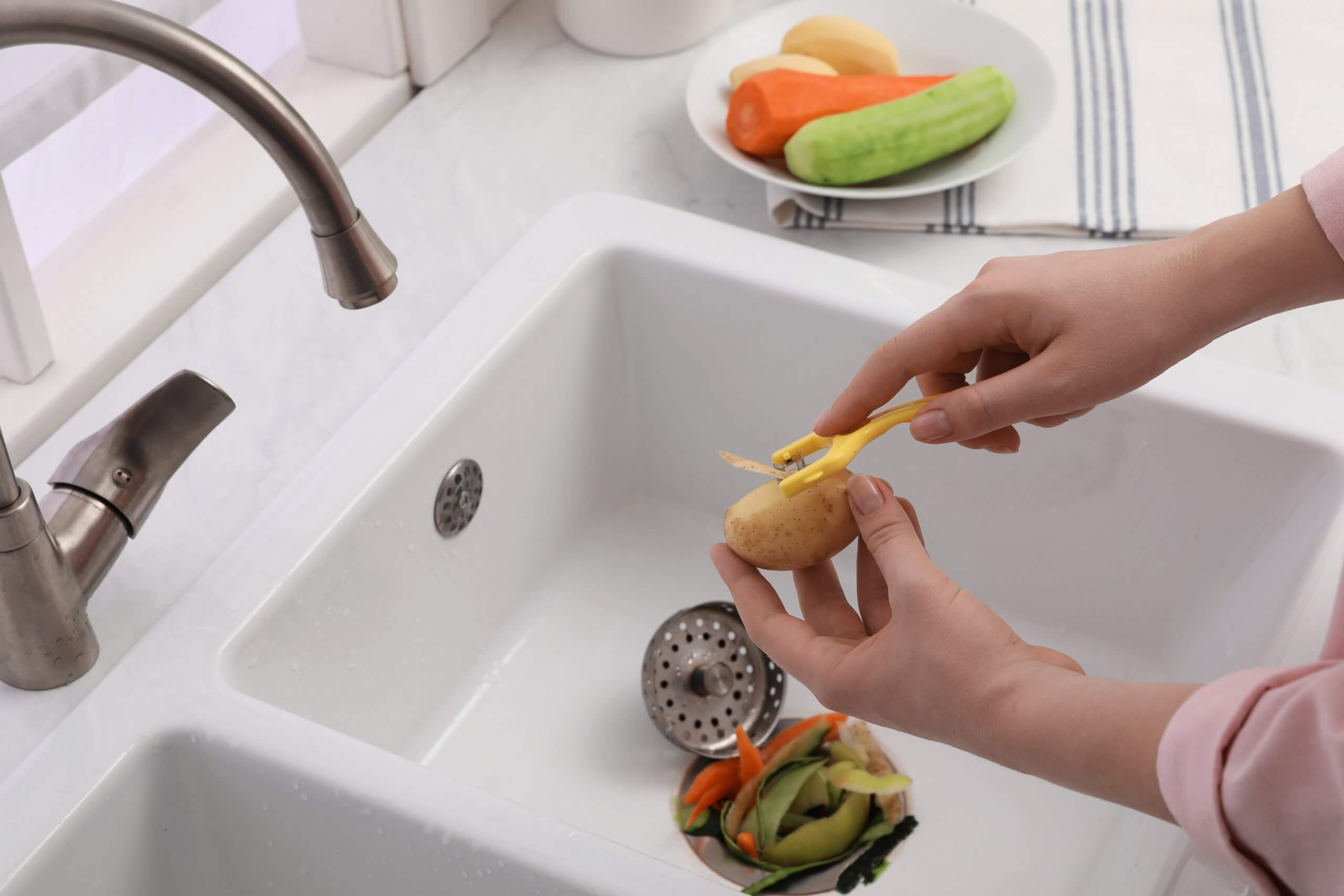
Say Goodbye to Garbage Disposal Units: How Biodigesters are Winning the Food Waste Battle in Canada
Garbage disposals are found in over half the homes in the United States, but have been banned from municipalities across Canada. We dive into why they are banned and why biodigesters are the choice food waste solution of the second largest country in the world.
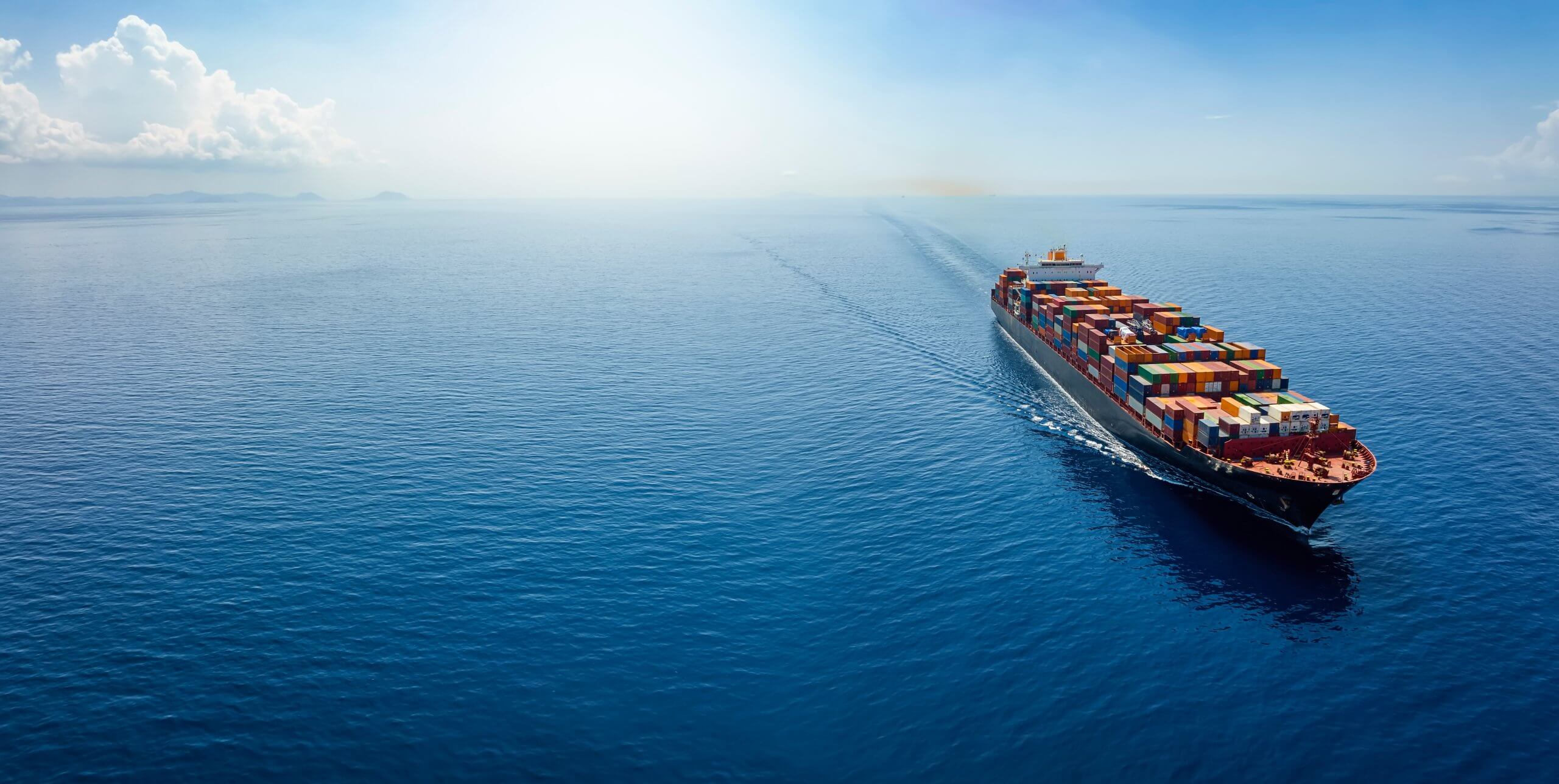
How LFC biodigesters can tackle Europe’s LNG discharge dilemma
Over 60 LNG tanks are currently stuck at the port, unable to offload their natural gas and organic waste. The LFC biodigester helps LNG tankers comply with strict MARPOL rule and regulations for food waste.

A Guide to Grey Water Discharge on Ships
Any waste discharged into the ocean is subject…

How Ships are Fueling the Global Plastic Pollution Crisis
Ships contribute 20-70% of plastic pollution in the ocean. The Great Pacific Garbage Patch and Inaccessible Island reveal ships as primary polluters.
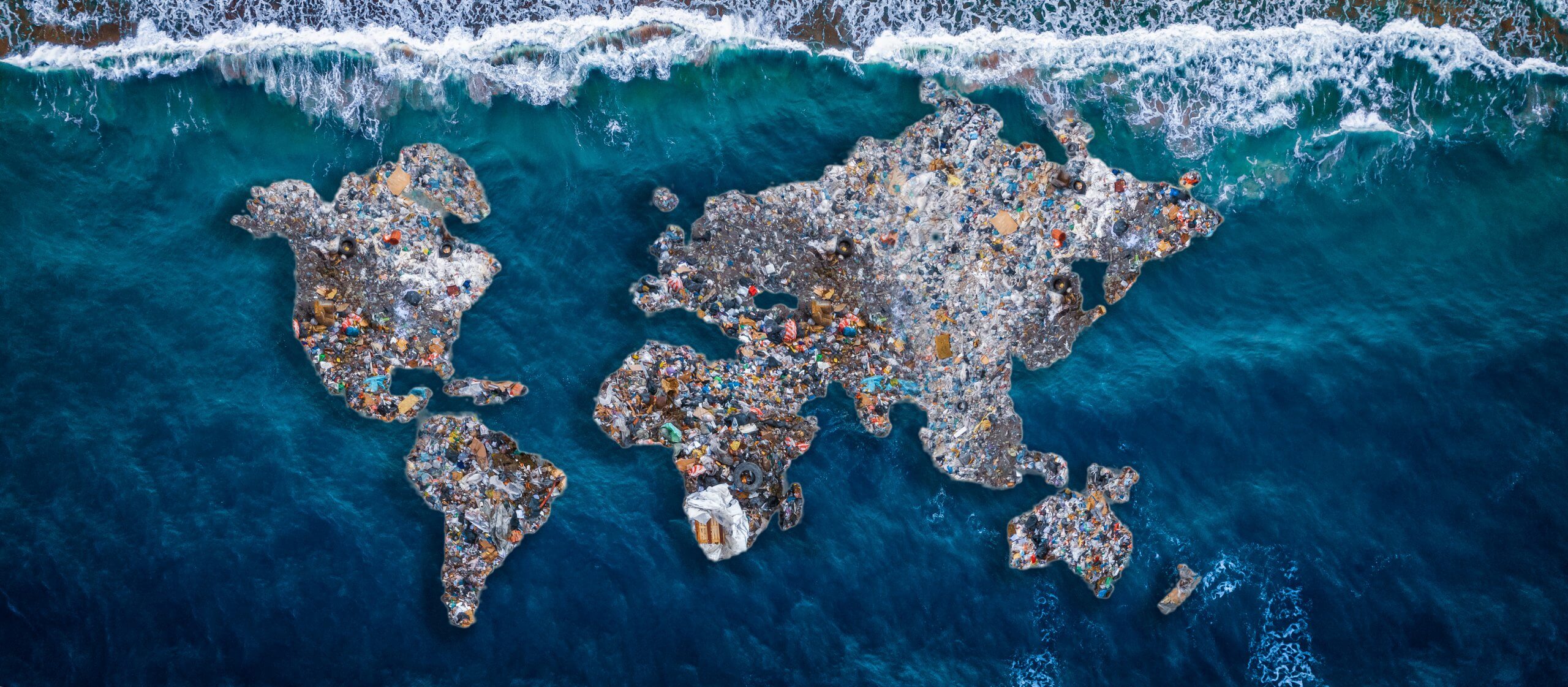
How Close Are We To 2023 Food Loss and Waste Reduction Goals?
As we move closer to 2030, it’s time to evaluate just how far we’ve gone – and how much more work needs to be done to achieve this notable food waste reduction goal.
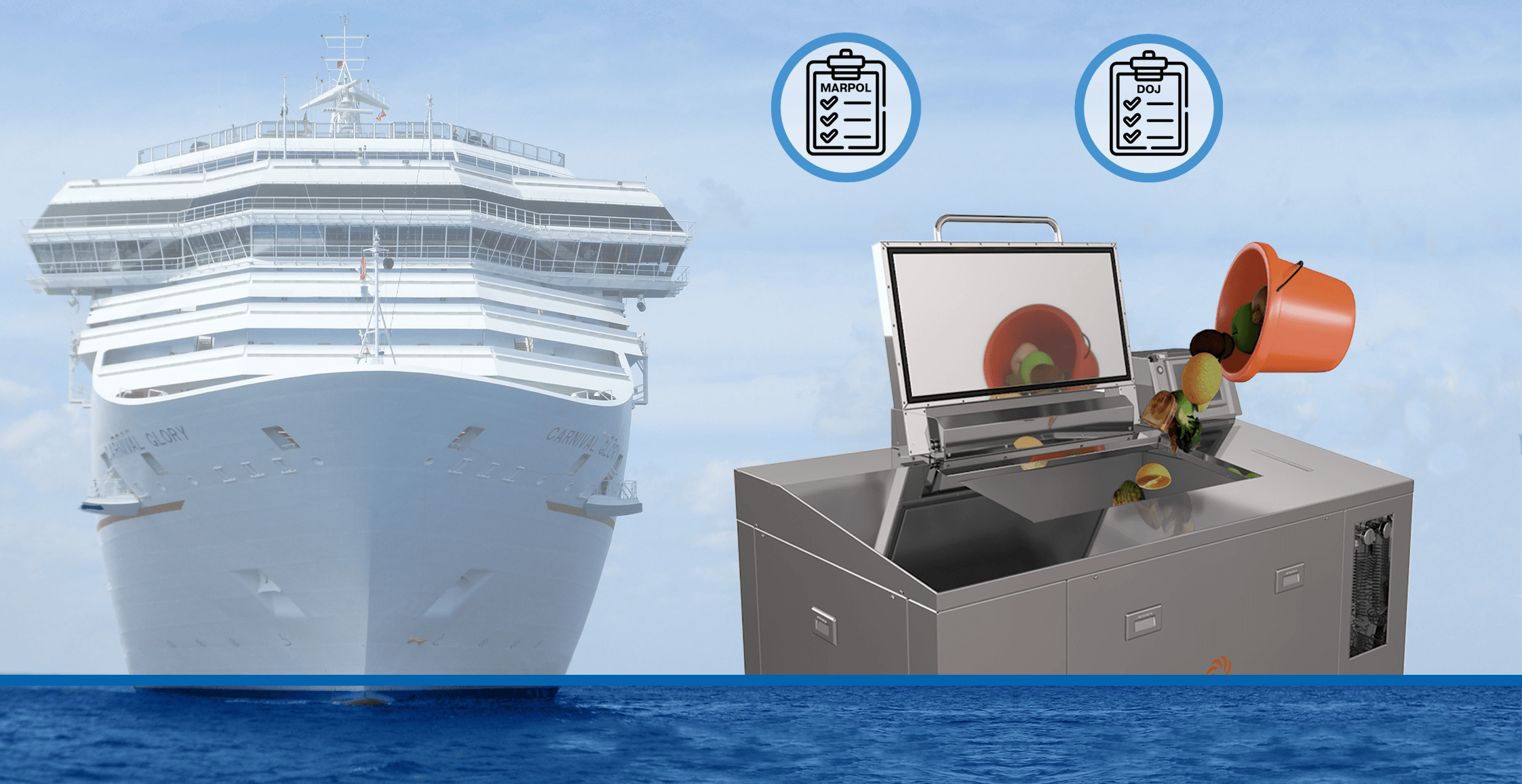
Nearly 600 biodigesters deployed across cruise fleet
In June 2022, Holland America’s Corp. Fleet Environmental Compliance Manager, Sanjay Bhatt, visited Power Knot’s headquarters in Silicon Valley, California to receive technical training on the LFC biodigester. We took the opportunity to learn from Sanjay about the use of biodigesters on cruise ships.
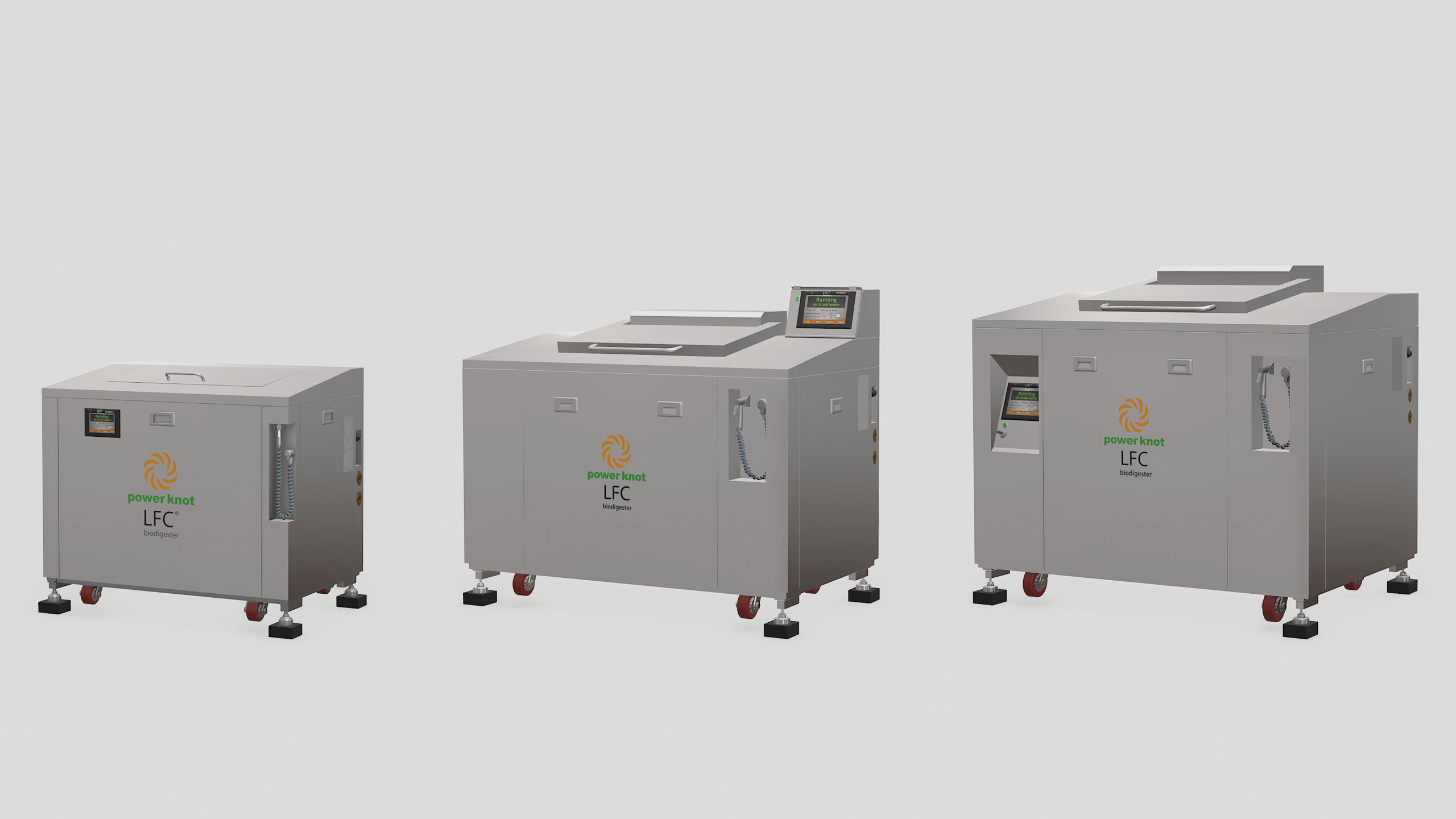
What is a food waste biodigester?
A food waste biodigester turns organic waste into water or biofuel within 24 hours. Learn how it works and what it can digest.
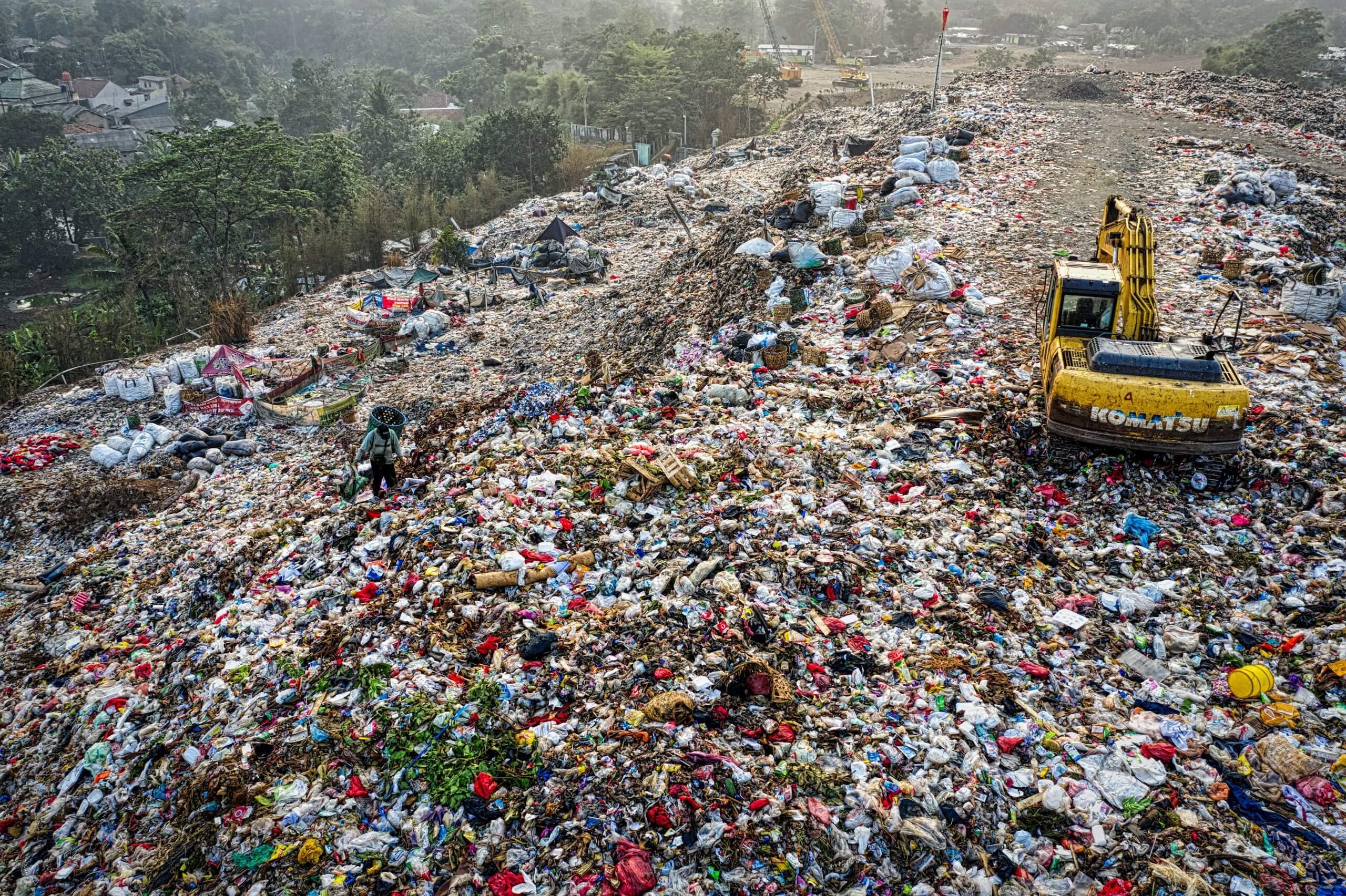
Methane Emissions on the Rise: Food Waste’s Impact on Climate Change
Atmospheric levels of the three main greenhouse gasses that cause climate change—carbon dioxide, methane, and nitrous oxide—all reached new record high values in 2021. Without further action to rein in these emissions, the planet faces a dramatic increase in risks including extreme weather, food and water shortages, and other crises.


Blog: Food For Thought (And Not For Landfill)
Explore the latest articles on food waste reduction, sustainability strategies, industry developments, aerobic digester technology, and expert insights to drive smarter waste solutions.
Filters
Industry
Category
Power Knot provides environmentally sound products that help reduce costs while reducing your carbon footprint. We manufacture the LFC biodigester that uses aerobic digestion to convert food waste into water.
Contact Info
Copyright © 2009-2026 Power Knot LLC. All Rights Reserved.