How Senate Bill 1383 Affects California Businesses
We review how Senate Bill 1383 will affect CA businesses, what to expect, implementation schedule, penalty fees, and more.


We review how Senate Bill 1383 will affect CA businesses, what to expect, implementation schedule, penalty fees, and more.
Some states now require that organizations find alternatives for the disposal of food waste other than sending it to a landfill. This makes it even more imperative that organizations of any scale commit to finding less impactful ways of disposing of food waste. You should be aware of each solution™s unique advantages and costs before you make an investment.
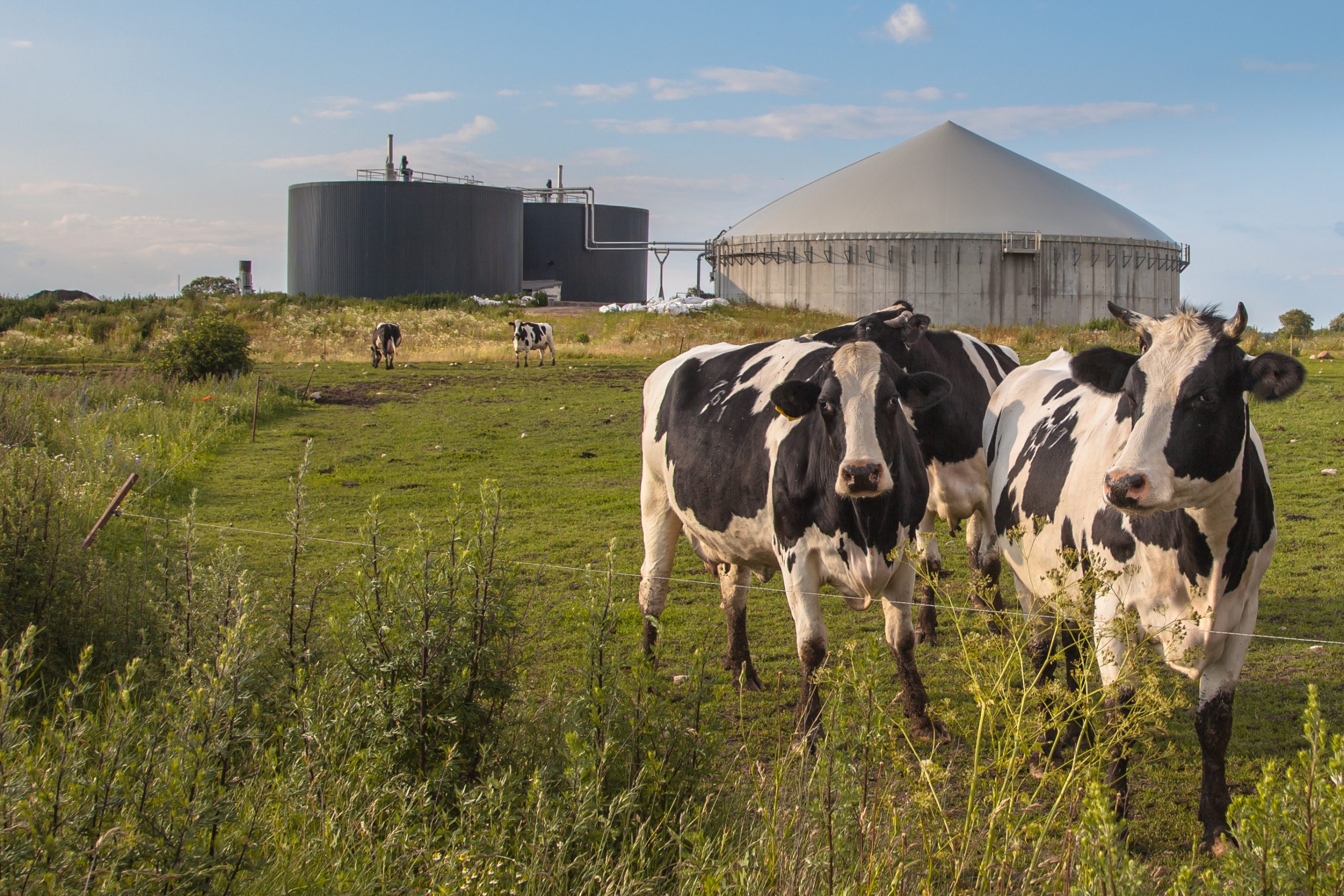
If you’re going to make a decision to divert your food waste and reduce your carbon footprint, then it makes sense to choose the option with the lowest environmental impact. Consider these six reasons anaerobic digesters aren’t necessarily the most environmentally friendly option for the disposal of food waste.
During unconventional times, sustainability is a key strategy to staying afloat and in some cases ahead of the competition. We've summarized our experience and findings into three reasons why you should focus on building sustainability in your commercial and campus kitchen.
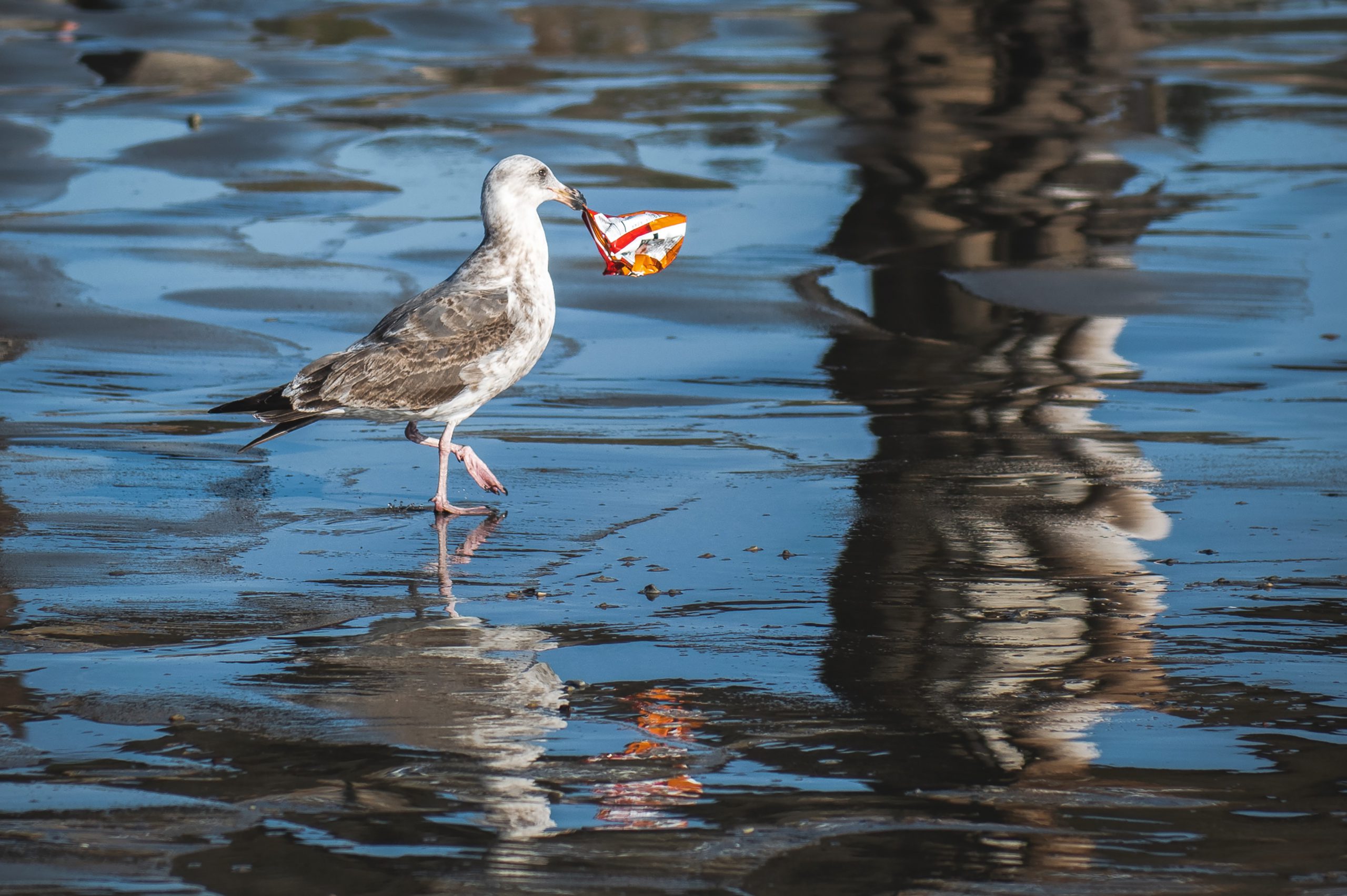
Most people are familiar with the impact that food waste has on landfills. Food waste accounts for 3 billion tons of carbon emissions annually. In the United States, it accounts for 18% of the country™s methane pollution, a greenhouse gas that™s 87 times more potent than carbon dioxide. However, the impact that food waste has on the ocean has worse lingering effects.
Given the new 2021 administration's focus on environmentalism, waste management is not likely to be an area where food handling industries will be able to put off taking action any longer.
Destination island resorts are plagued by the exacerbated costs of managing and transporting waste. Although there has been an impact on the environment in the past, it’s not too late to make a difference. In this article, we discuss how these modern waste management solutions can help
This article addresses the situation where your facility shuts down for a week or more and you won't be using your LFC biodigester during that time.
The LFC biodigester produced by Power Knot serves to reduce the time that is needed to break down waste food. As a sustainable technology, it is one of the fastest methods for a restaurant to deal with its food waste.
Power Knot provides environmentally sound products that help reduce costs while reducing your carbon footprint. We manufacture the LFC biodigester that uses aerobic digestion to convert food waste into water.
Copyright © 2009-2026 Power Knot LLC. All Rights Reserved.