How inflation and food waste plays a role in rising costs of food
The cost of food continues to skyrocket. The Consumer Price ...


The cost of food continues to skyrocket. The Consumer Price ...
According to the Food and Agriculture Organization of the United ...
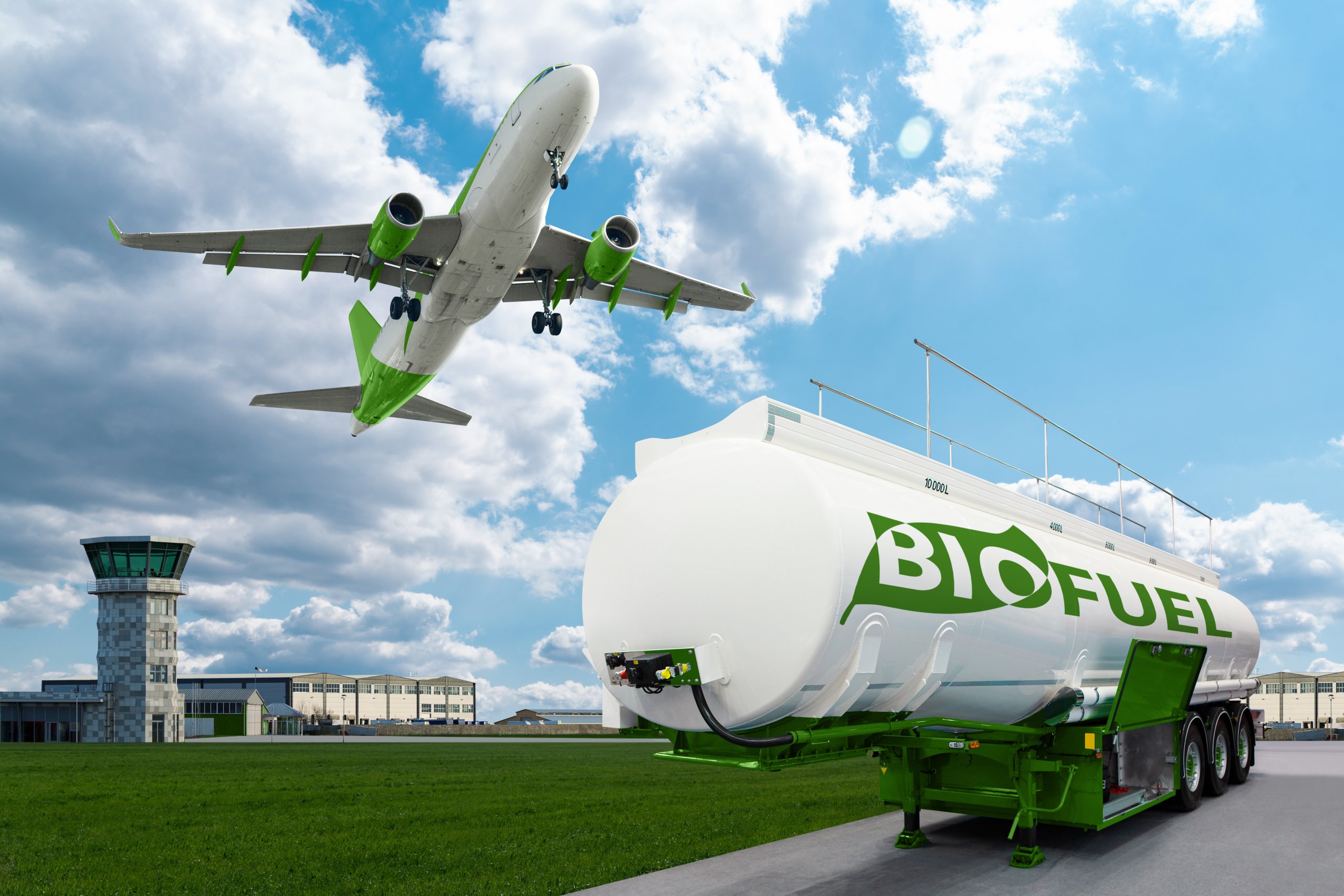
Biofuels have long been touted as a sustainable alternative to fossil fuels because they are made from renewable resources. However, there’s ample evidence emerging that the production of biofuels and their subsequent combustion contribute to environmental problems.
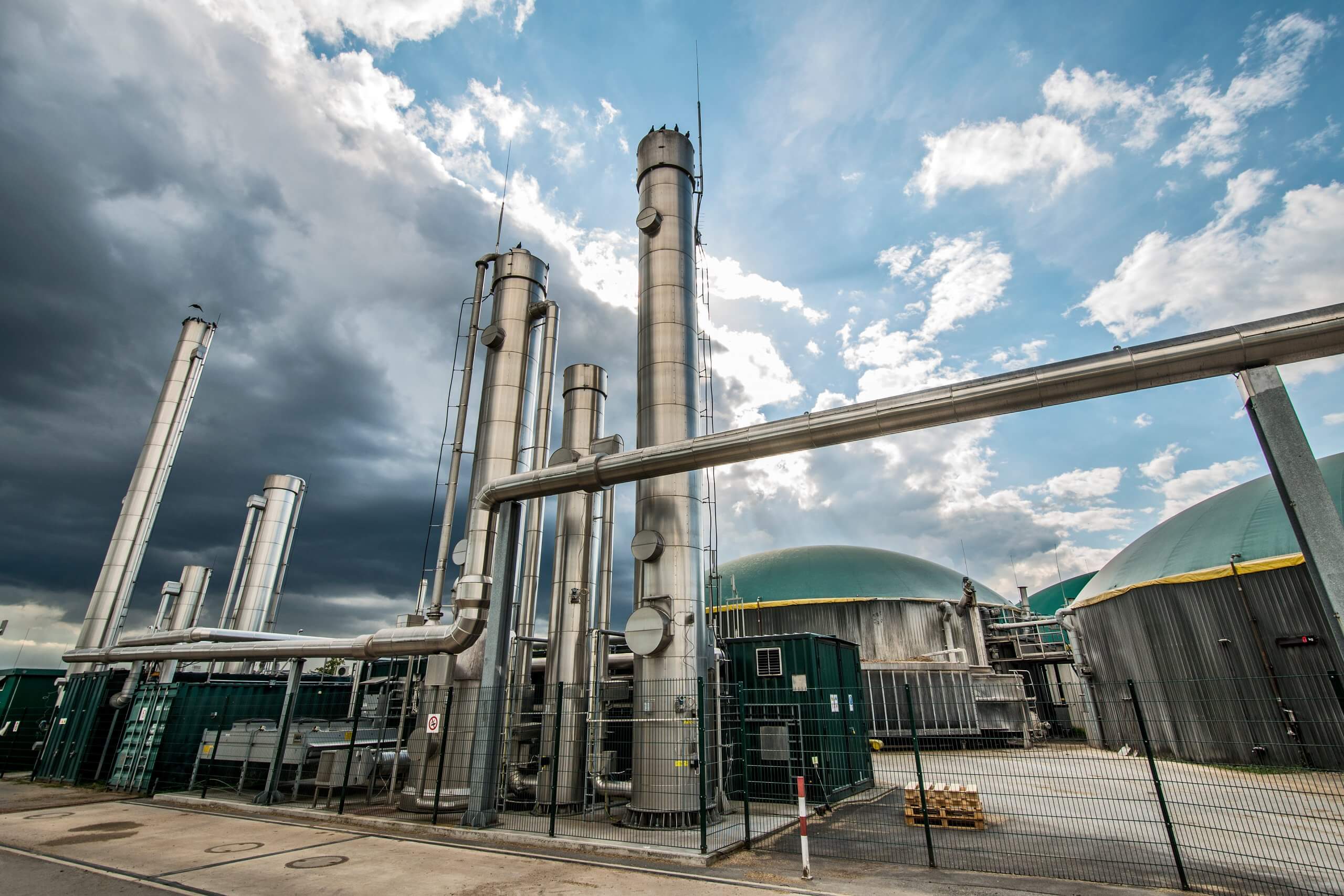
Today, millions of dollars are being poured into the construction of anaerobic digestion facilities. But are these facilities truly living up to their sustainability promise? Or is anaerobic digestion a feel-good solution for the disposal of organic waste?
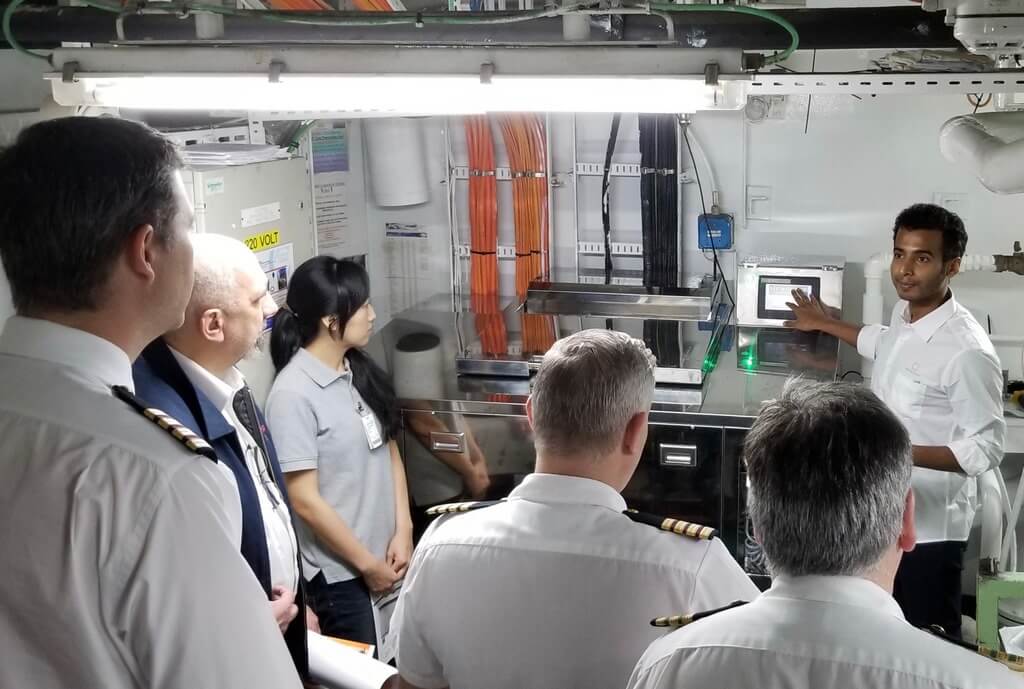
Over the past three years, Carnival Corp & plc installed nearly 600 food waste biodigesters across nine of their major cruise line brands. This significant investment in waste management technology was necessary to help Carnival Corporation meet MARPOL compliance and support its food waste management objectives. However, ships shouldn’t simply dump their food waste into the ocean for a number of reasons beyond the obvious negative impact on the environment and the risk of discharging plastics.
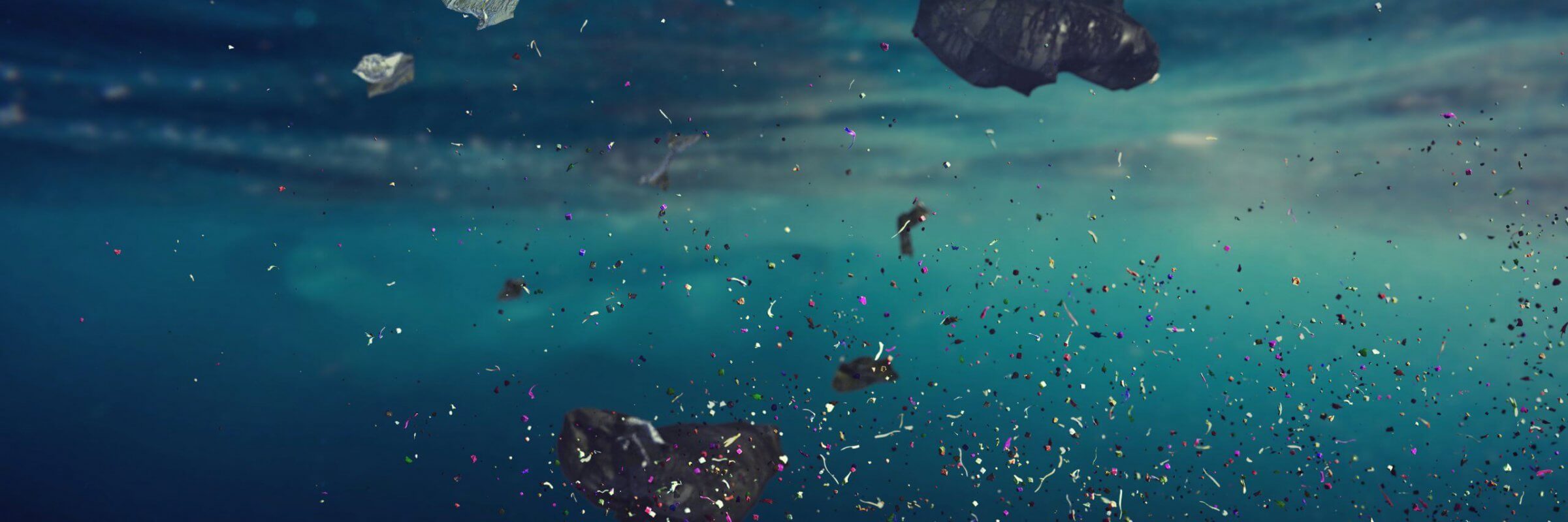
When a single-use plastic bag from the grocery store or plastic straw from a morning coffee doesn’t make it to the recycling center, it is discarded. Only 9% of plastic waste gets recycled. Most of the plastic waste ends up in the ocean or the landfill. When it ends up in the ocean, the plastic slowly breaks down into microplastics–a big small problem that is causing unknown and adverse effects on the environment.
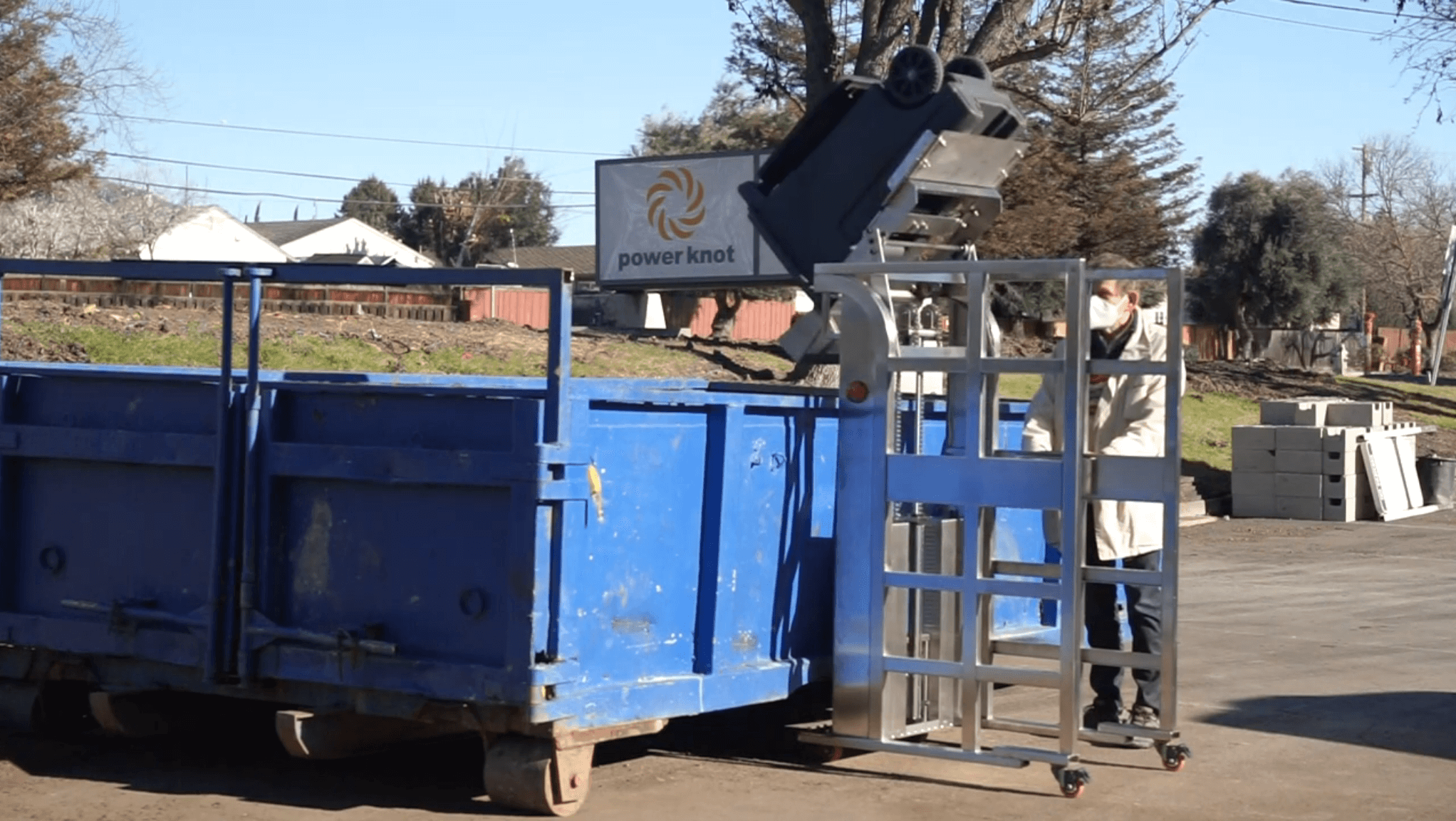
Today’s food prep companies face a number of options for organic waste disposal, ranging from composting to anaerobic digesters to onsite biodigesters. Fortunately, there’s one choice that’s easy. With the addition of a bin tipper, organizations can significantly boost productivity and create a safer workplace, among other benefits.
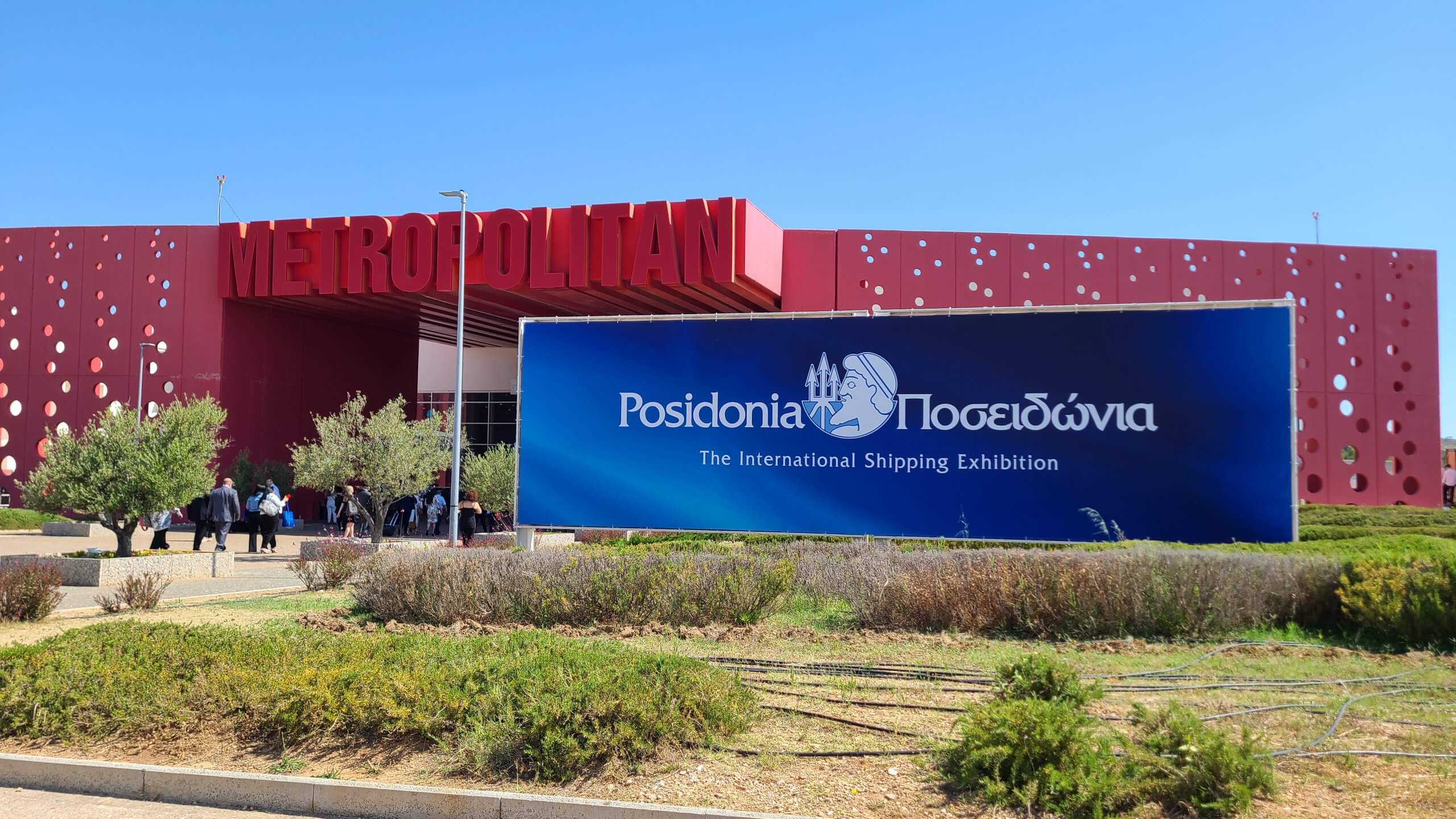
In early June, Power Knot Ocean attended Posidonia 2022, an international shipping exhibition which takes place every two years in Athens, Greece. In this blog, we review the top three things we learned at Posidonia and what they mean for the future of the waste and maritime industries.
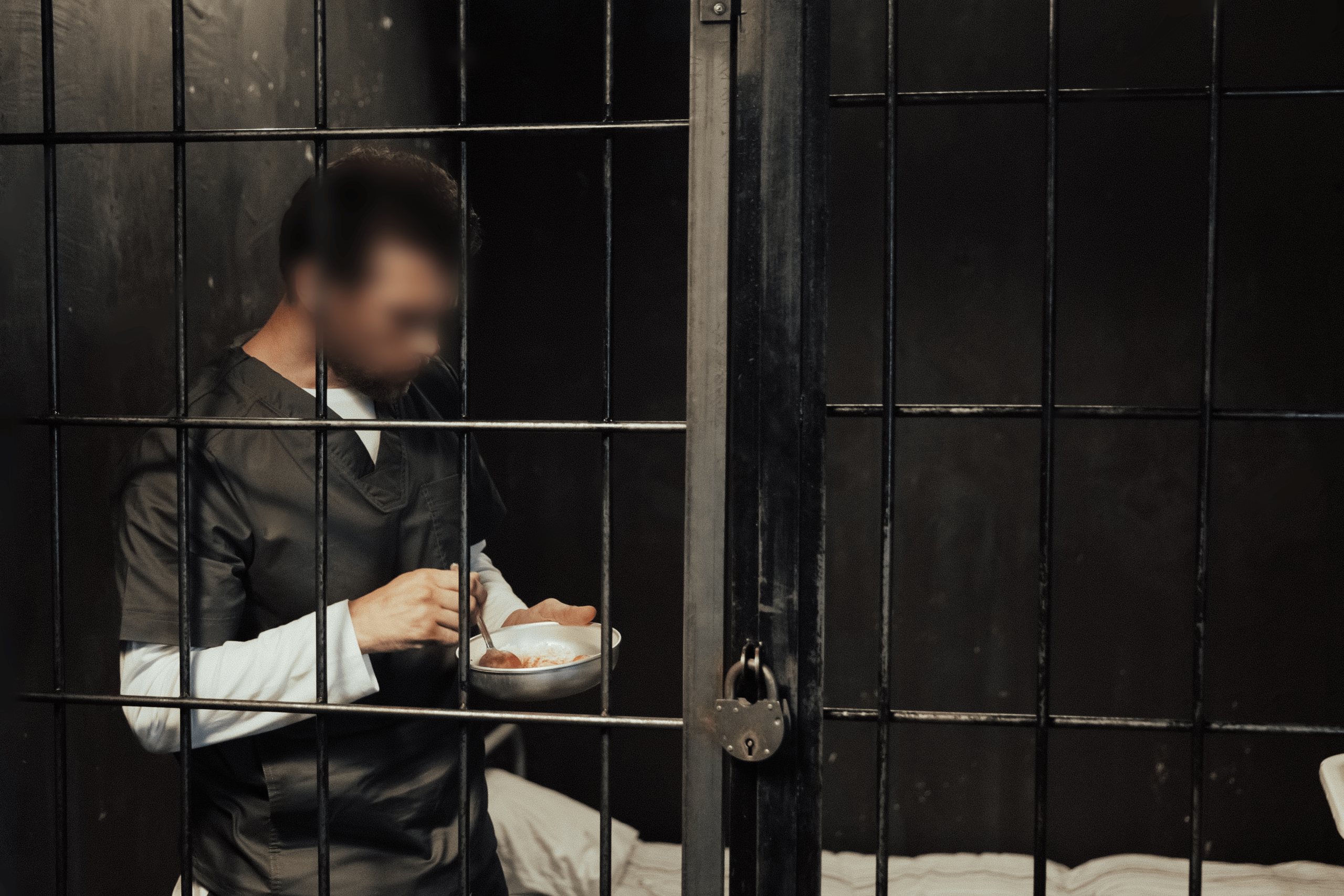
Correctional facilities have unique considerations driving their choices for the disposal of food waste. Many operations first search for landfill alternatives as a way to rein in growing costs.Costs for jail and other local correctional facilities had risen sixfold from 1977 to 2017, even as the number of admissions decreased. However, operators must balance these operational costs with concerns around security, potentially limited options due to remote locations, and, more recently, movements to lower the generation of greenhouse gas (GHG) emissions that drive climate change.
Power Knot provides environmentally sound products that help reduce costs while reducing your carbon footprint. We manufacture the LFC biodigester that uses aerobic digestion to convert food waste into water.
Copyright © 2009-2026 Power Knot LLC. All Rights Reserved.