
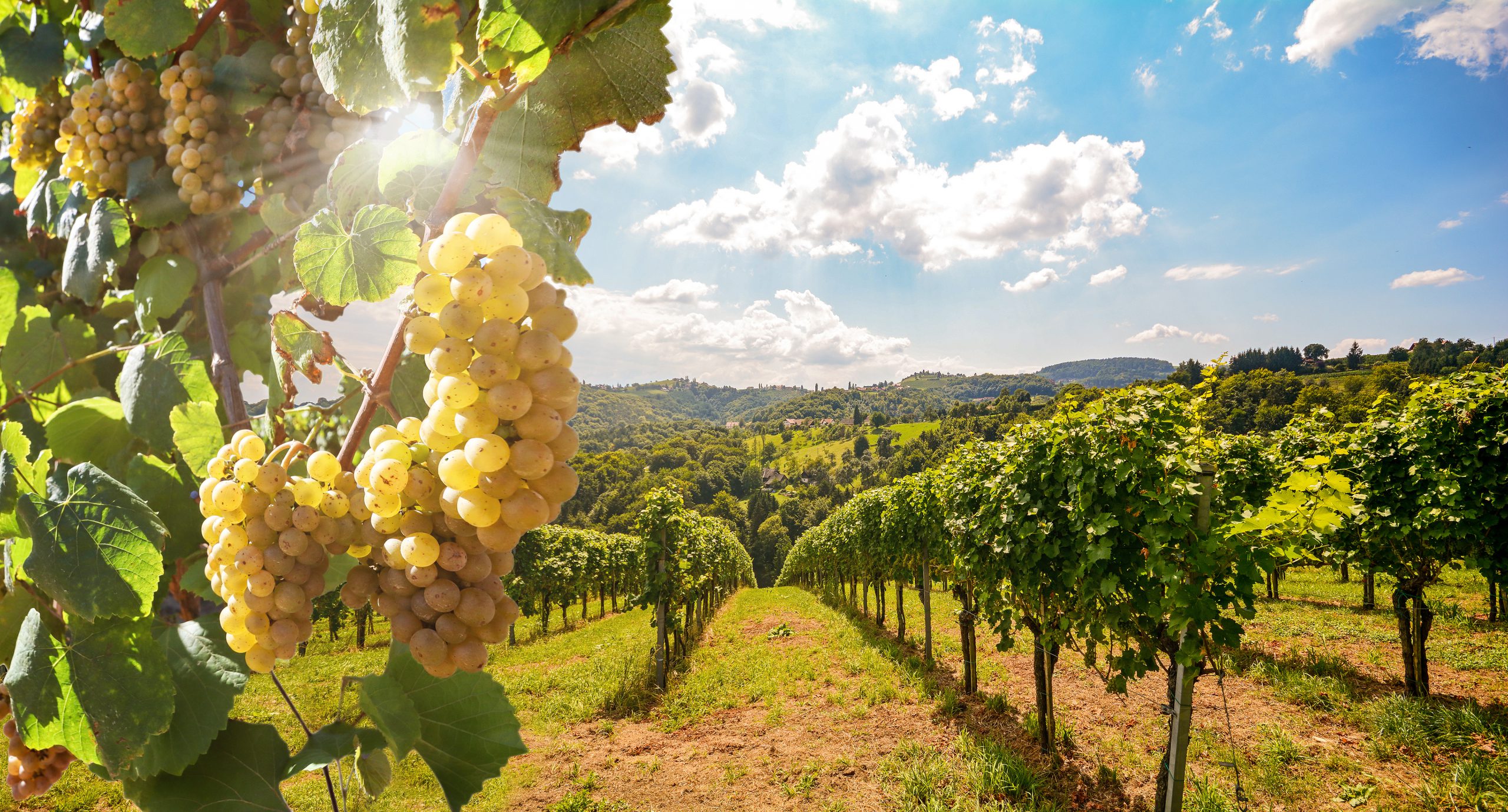
Balancing Sustainability and Customer Experience in Wineries, Breweries and Distillers
Sustainable wineries attract more consumers, proclaimed a recent article in Grapevine Magazine. It cited surveys of wine consumers in the U.S., Canada, Sweden and the UK that indicate a willingness to pay more for sustainably produced wine. It can be a challenging, if incredibly worthwhile, step to move to greater sustainability in the wine industry, in craft brewing, and among distilleries. Fortunately, today there are ample options available to help vintners, brewers, and distillers reduce their operations™ carbon emissions.

How U.S. Recommitment to GHG Reductions Impacts Food Handling Industries
Given the new 2021 administration's focus on environmentalism, waste management is not likely to be an area where food handling industries will be able to put off taking action any longer.
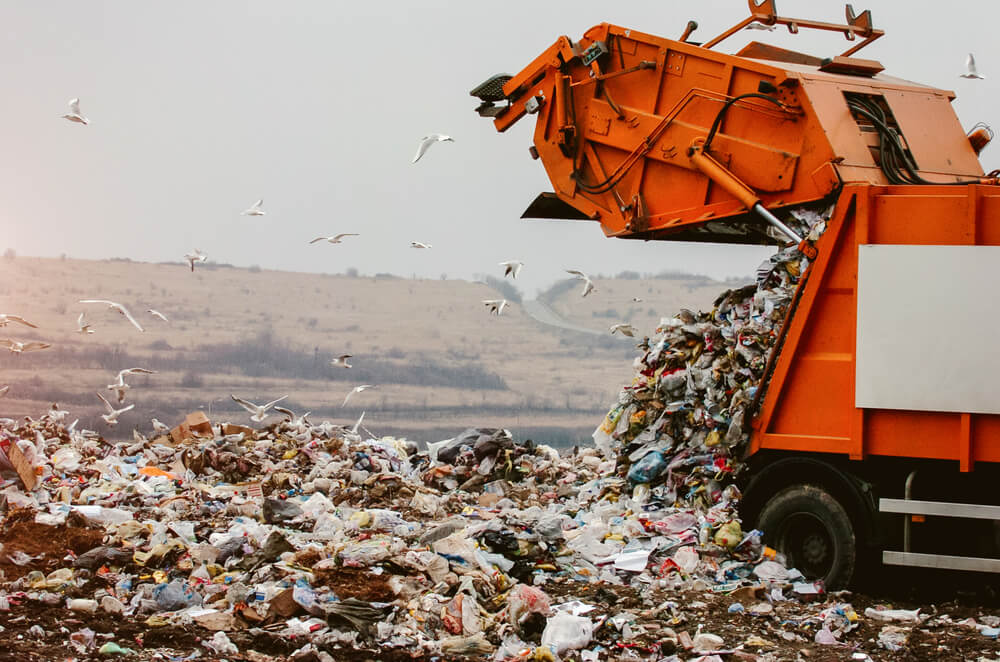
It’s Time for Restaurants to Reevaluate How They Dispose of Waste Food
Waste food that ends up in a landfill produces methane — a gas with 84 times the global warming potential of carbon dioxide. How can foodservice operations minimize the carbon footprint associated with their food scraps and waste food?

Lower Your Commercial Kitchen Waste by Composting Waste Food
According to the EPA, food makes for the majority of waste in landfills, accounting for 21% of the total waste.
The Pedalers Fork Restaurant Substantiates Its Commitment to the Environment
Pedalers Fork, a new restaurant in old town Calabasas California, installed a bio-digester LFC-200 to digest its waste food. Along with other measures implemented by the restaurant, it is one of the greenest restaurants in California.


Blog: Food For Thought (And Not For Landfill)
Explore the latest articles on food waste reduction, sustainability strategies, industry developments, aerobic digester technology, and expert insights to drive smarter waste solutions.
Filters
Industry
Category
Power Knot provides environmentally sound products that help reduce costs while reducing your carbon footprint. We manufacture the LFC biodigester that uses aerobic digestion to convert food waste into water.
Contact Info
Copyright © 2009-2026 Power Knot LLC. All Rights Reserved.