
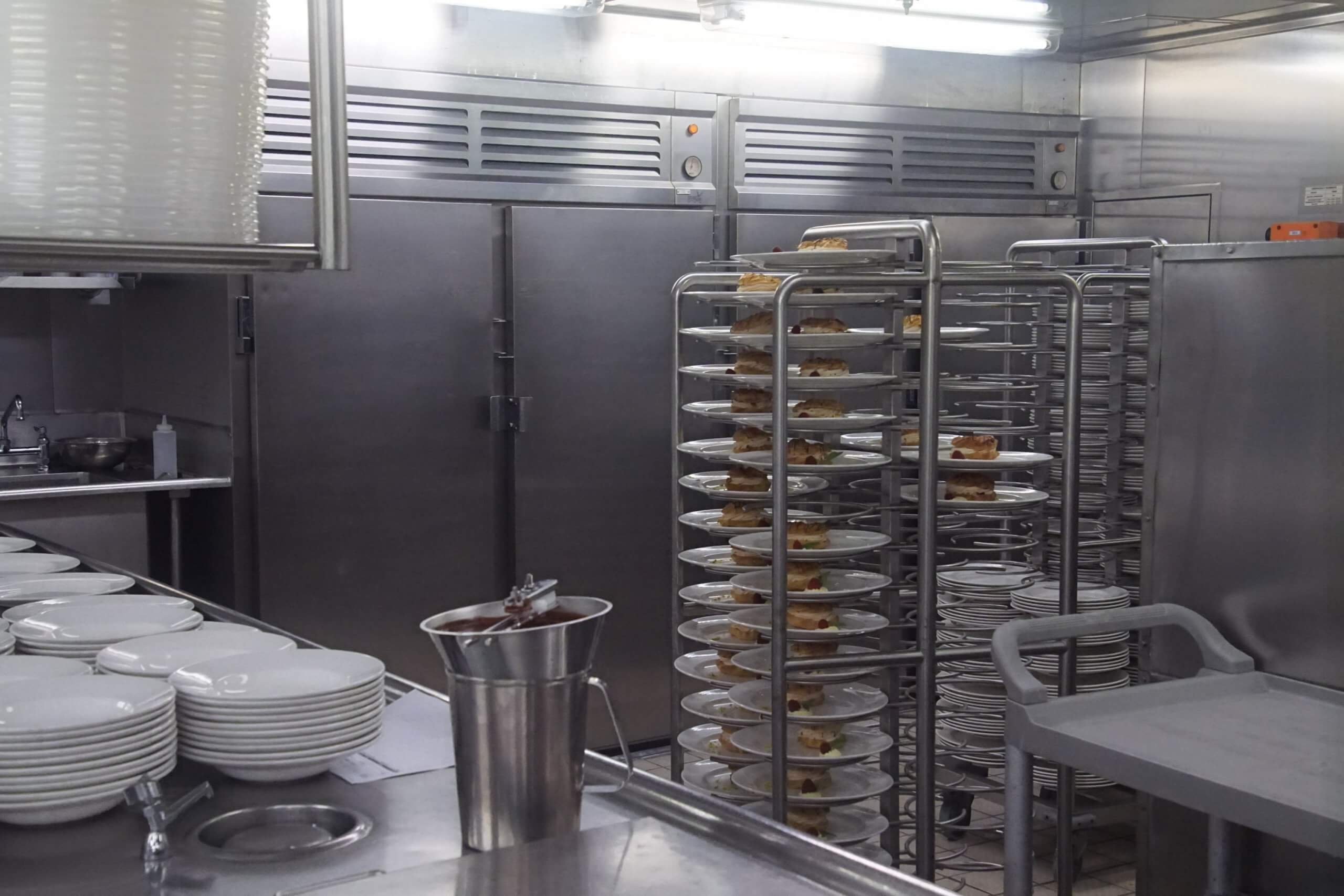
This is why the marine industry uses biodigesters
The Power Knot service and support team recently…

How food waste helps maritime vessels achieve decarbonization goals
Why is the maritime industry focused on…
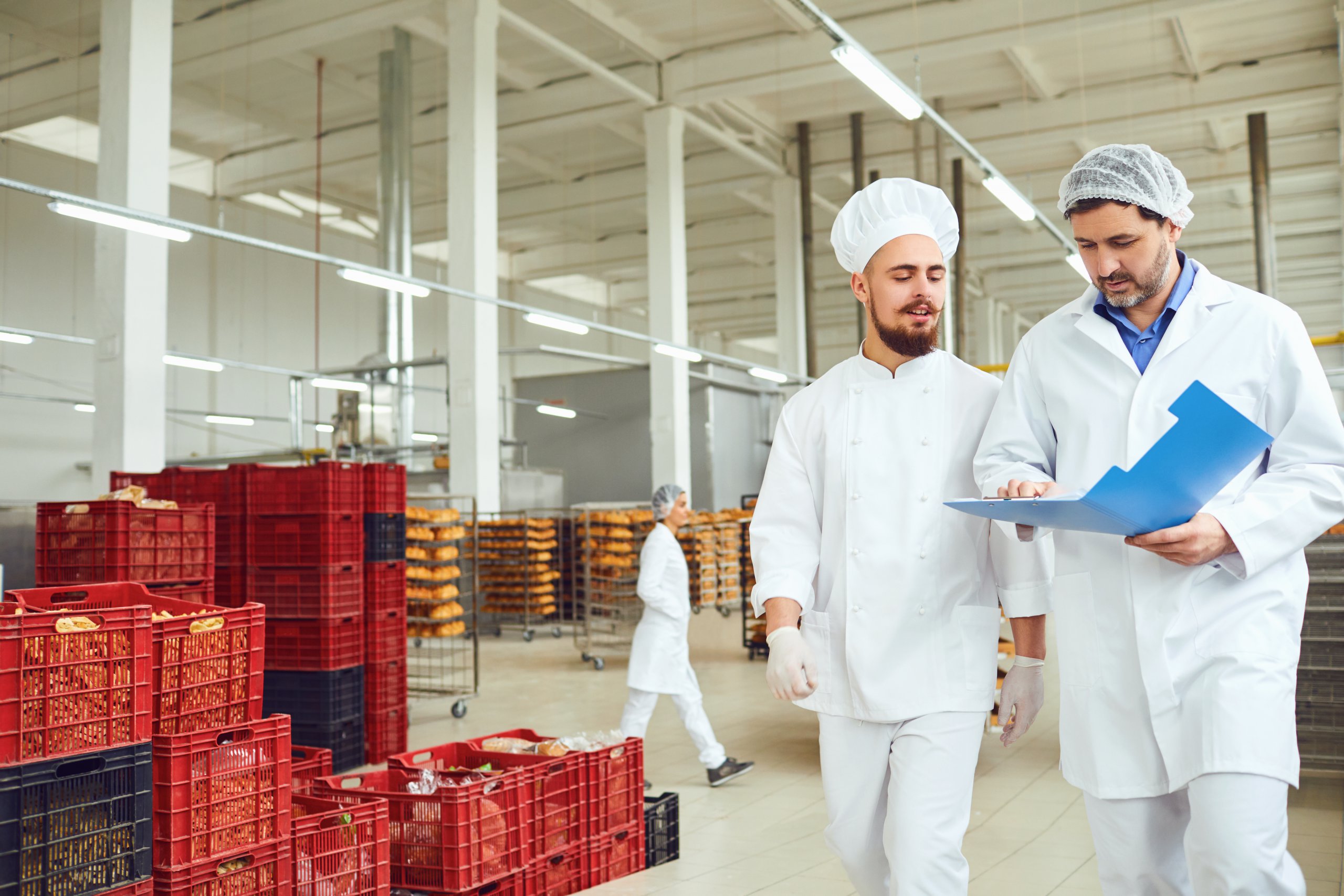
New Strategy Helps Food Manufacturers Lower Waste Management Costs
Many food production organizations are finding, there’s a strong business case for taking action on sustainable food waste management. New technology solutions afford food production companies an opportunity to tighten processes and reduce waste management costs.
Four Findings from the Carbon Summit Think Tank on Regenerative Agriculture and Food Waste
This year’s Carbon Summit, a platform designed to identify, promote, and scale sustainable solutions, was held in Boise, ID and focused on regional sustainability and regenerative agriculture. A panelist of experts on agriculture and geology came together to discuss the current state of soil, how it impacts food production, and how we can mitigate the impact of global warming. Here are our four findings from Carbon Summit 2022 and how food waste will help change the future.
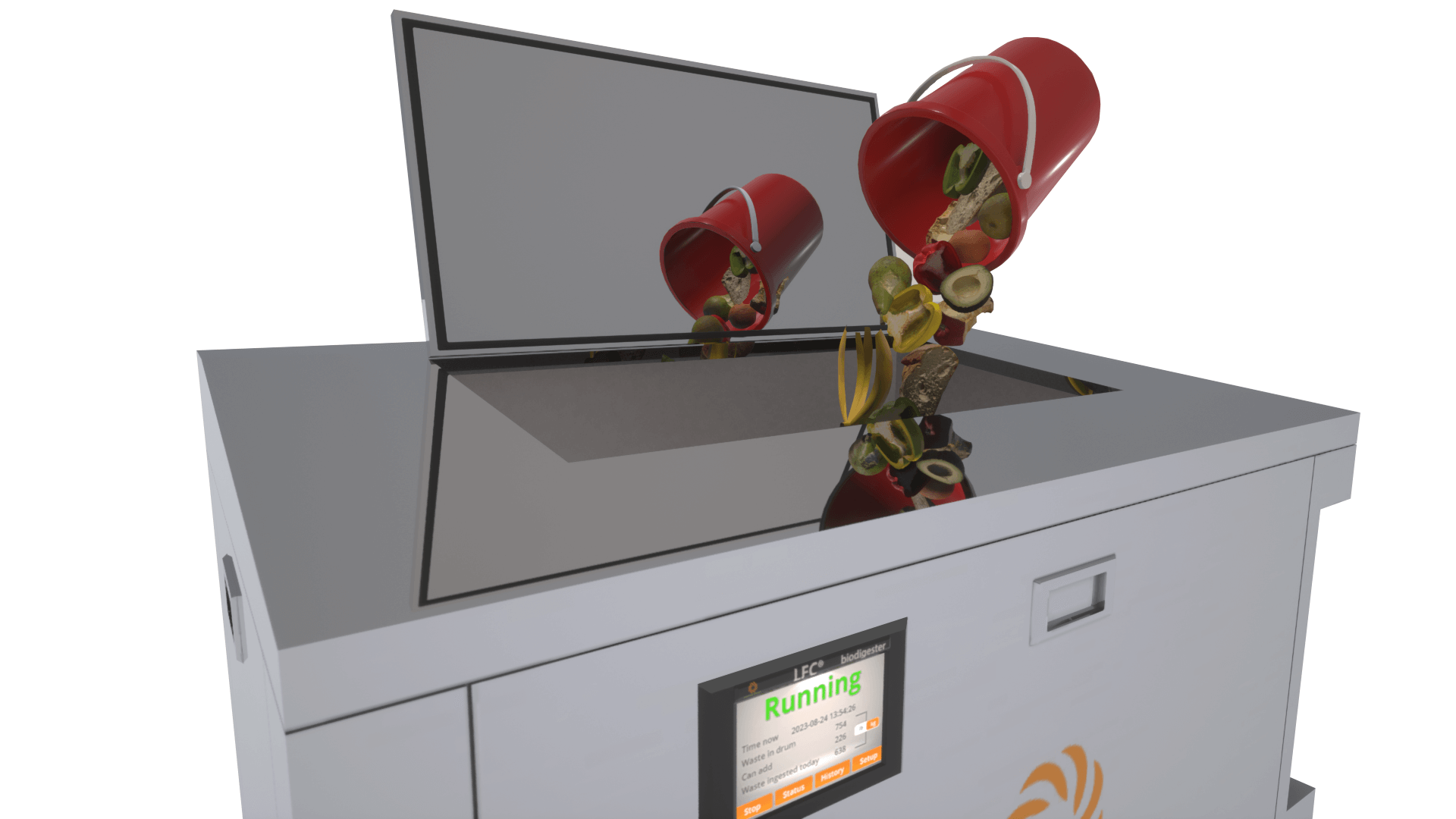
What can go in a biodigester?
It may be tempting to think of biodigesters as being similar to processes such as composting. The truth is, however, that a biodigester provides organizations with large food preparation areas far more flexibility than composting and other options for the disposal of food waste. In this blog, we review what can and cannot go into a biodigester.
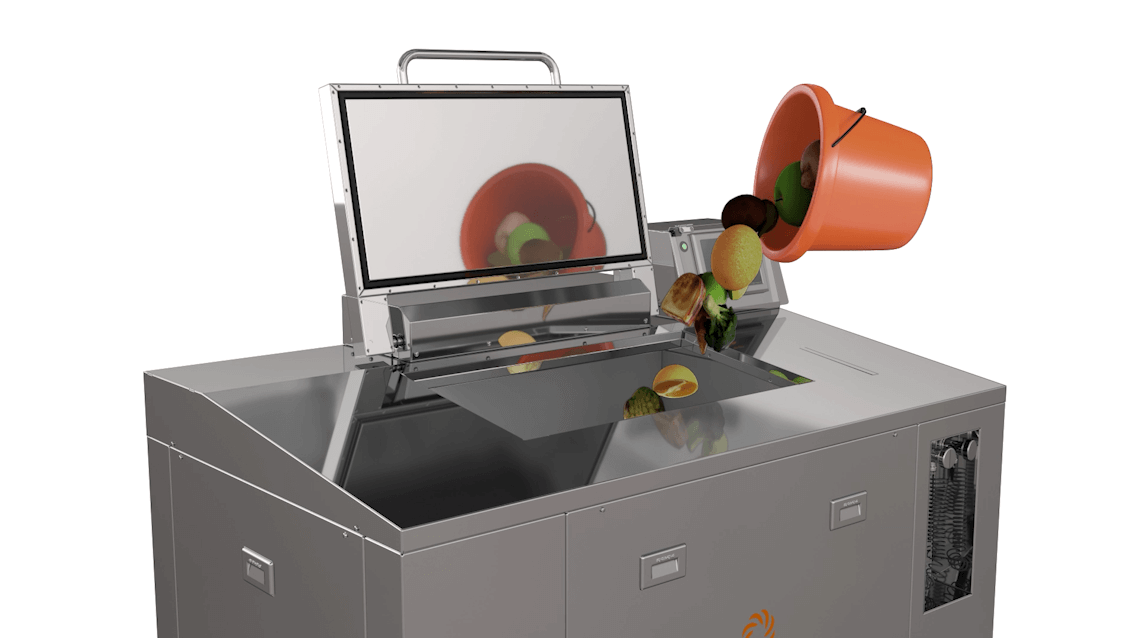
Why Biodigesters are the Future of Food Waste Management
Today, more than a third of worldwide food production is lost or wasted each year, amounting to about 1.3 billion tons of waste food. Without change, experts predict that waste may grow to as much as 70% of all food by the year 2050. Digital technology must play a central role in identifying and preventing possible avenues of food waste. It’s for this reason that we believe onsite biodigesters will play a key role in the future of food waste management.
How the New SEC Climate Disclosure Rule May Affect Your Business
The SEC has unveiled a historic climate disclosure rules for companies. It would require businesses to report their (Scope 1) greenhouse gas emissions, how climate-related risks impact their business, and more.
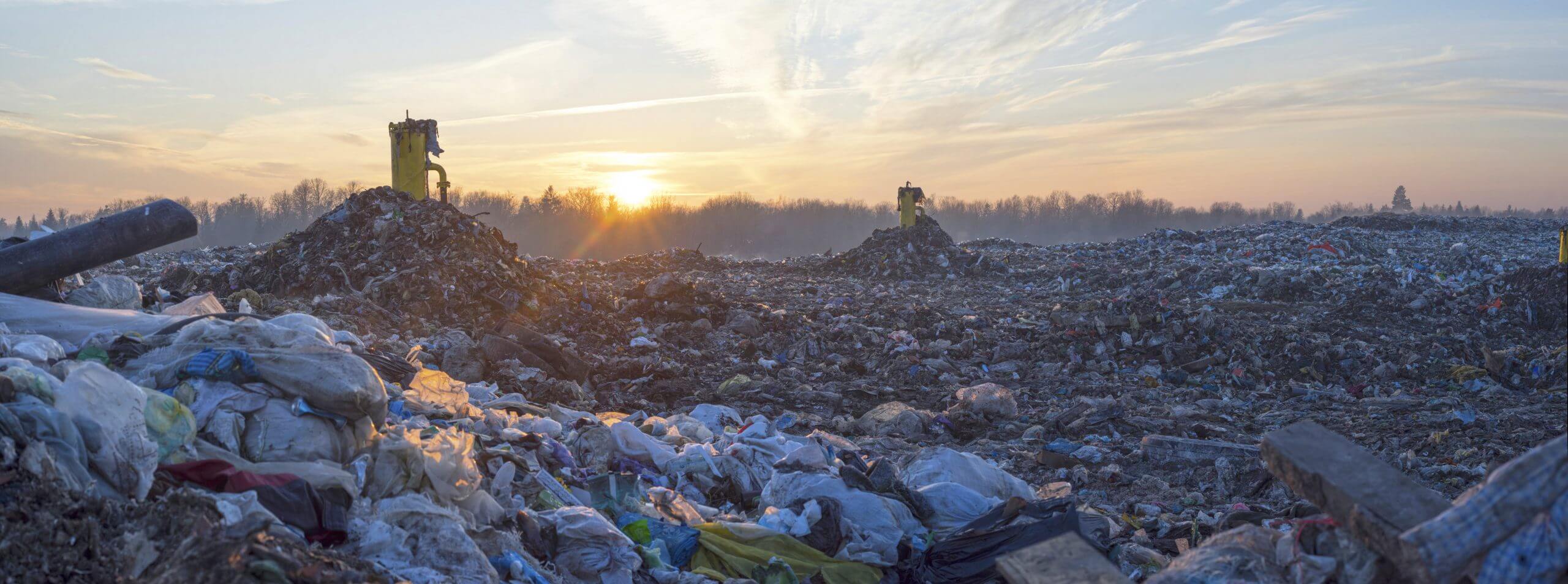
What are Scope 3 emissions?
Scope 3 emissions amount to 80% to 90% of an organization’s overall emissions, making this an excellent opportunity for action. By reducing food purchasing and mitigating off-site food waste disposal, companies can make a sizable dent in this scope 3 emissions category and their operational carbon footprint.
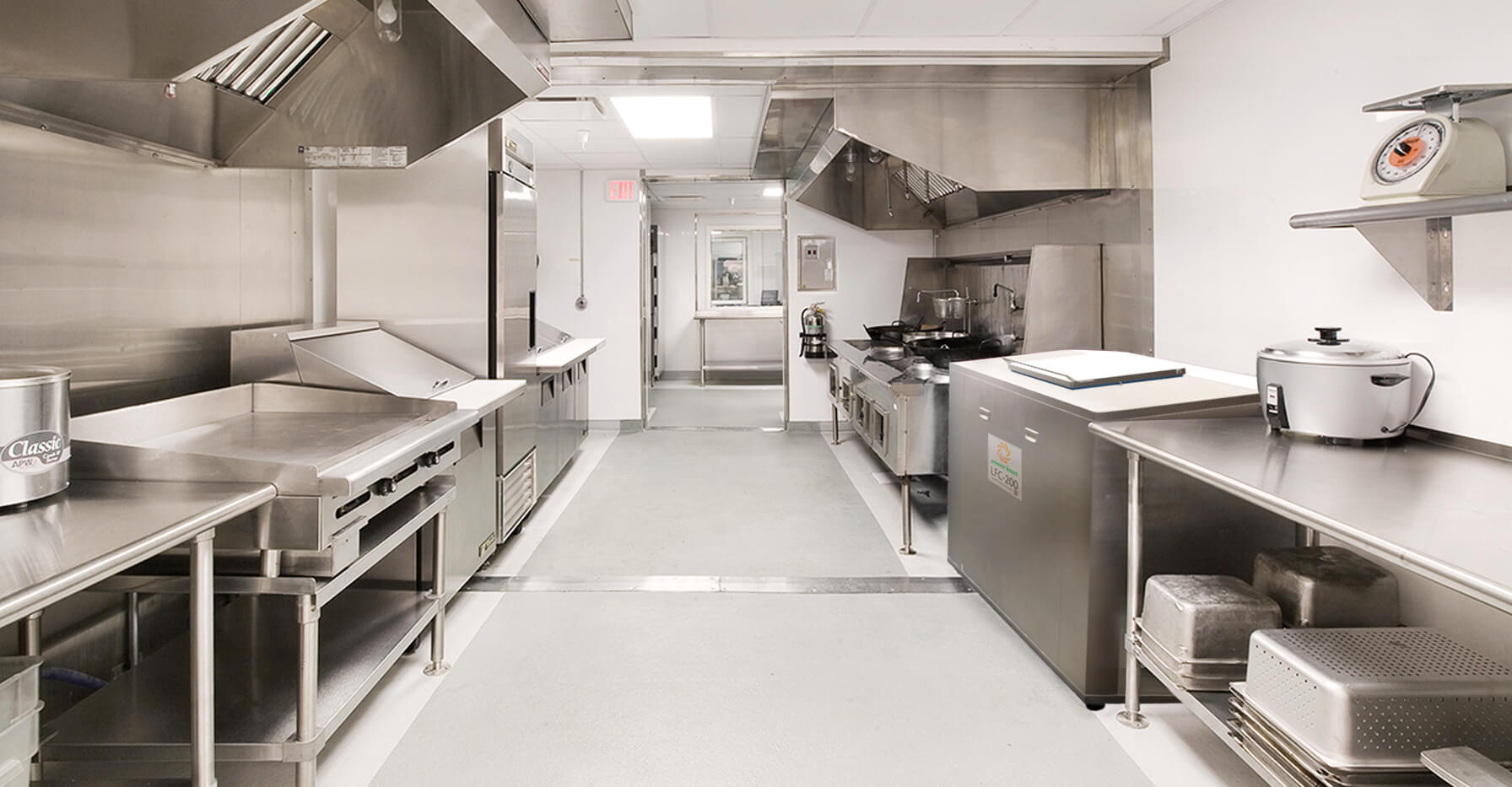
The True Cost of Owning a Biodigester
In this blog, we compare the cost of traditional waste management against a biodigester investment and lay bare the true cost of biodigester ownership.

Blog: Food for Thought (and Not for Landfill)
Explore the latest articles on food waste reduction, sustainability strategies, industry developments, aerobic digester technology, and expert insights to drive smarter waste solutions.
Filters
Industry
Category
Power Knot provides environmentally sound products that help reduce costs while reducing your carbon footprint. We sell the LFC biodigester that uses aerobic digestion to convert food waste into water.
Contact Info
Copyright © 2009-2026 Power Knot LLC. All Rights Reserved.