

Food waste has become a complex problem in recent years, and it has caught the attention of scientists, activists, and consumers alike. The Food and Agricultural Organization of the United Nations reports that over 1.3 billion tons of food waste are produced globally every year. This problem exists both on a larger scale and in smaller cities and municipalities. Only five percent of food waste is recycled in the US, and uneaten food scraps make up the largest component of municipal solid waste in landfills. This results in food gradually breaking down to form methane, which is one of the most powerful greenhouse gases that affect the environment- 87 times more harmful than carbon dioxide. Governments at all levels have a role to play in preventing food waste, facilitating the donation of surplus food, and recycling food scraps. Here are ways that municipalities can reduce food waste to sustainably impact their cities.
How States and Cities Are Approaching Food Waste Reduction
Several cities across various states in the country have taken up proactive measures for reducing food waste. In Austin, Texas, efforts for food waste management date back to 2010. The Universal Recycling Ordinance (URO) in the state dictates that all food-related businesses provide ways for recycling organics. Reports are also required to be submitted to respective authorities to show proof of food reduction, donation, and composting. At about the same time, San Francisco introduced mandatory recycling and composting for residences and businesses. The city also has a recycling center that diverts most of its waste away from landfills.

New York is another state that has come up with innovative means to implement food waste management. It introduced a unique food waste legislation that mandates businesses to donate and sustainably recycle food waste. Violations would be fined or may cause businesses to lose their license. Furthermore, the Food Recovery and Recycling Act extends to restaurants, grocery stores, malls, hotels, and even colleges and universities, which was passed as legislation in 2014.
While New York City faced challenges in connecting and delivering food waste efficiently to food banks and recycling centers, it has since overhauled these waste management structures. Grants are also being offered to help New York state businesses account for some of the purchasing and installation costs for equipment and technologies that draw food waste away from landfills.
Solutions to Reduce Food Waste
There are various solutions that can help municipalities reduce food waste. A combination of the following may help significantly:
Consulting a sustainability expert
Implementing an effective food waste reduction strategy will require plenty of guidance. While there is a shortage of sustainability and environmental governance talent, seeking out capable individuals is necessary if municipalities want lasting solutions that deliver.

Fortunately, the gap is being filled by experts trained through online sustainability programs which focus on current practices that focus on cutting down on food waste. These online courses are just as valid as traditional degrees and are helping the sustainability sector provide more advice and action.
Because food waste is a multifaceted sustainability issue, you’ll need someone who has in-depth knowledge in sustainability theory, ethics, and practical application. Not only that, but these experts can help choose the most suitable solutions for your area, bearing in mind the regulations and laws in place in your state.
Having on-site food waste disposal
Each method of food waste disposal best suits a unique circumstance and there is no one size fits all type of solution when it comes to waste management.

Several types of on-site food waste disposals can be used depending on the type of business or establishment in the municipality. Composting is most suitable for areas with large plots of land. However, grinders and dehydrators are either banned or not fully approved, so it may be difficult to acquire them.
Aerobic digesters, on the other hand, can be installed in any food preparation space to create a waste product that is decomposed enough to be discharged right into the wastewater system.
Investing in a food management system
Conducting an audit before and after implementing positive changes can help you measure your impact.
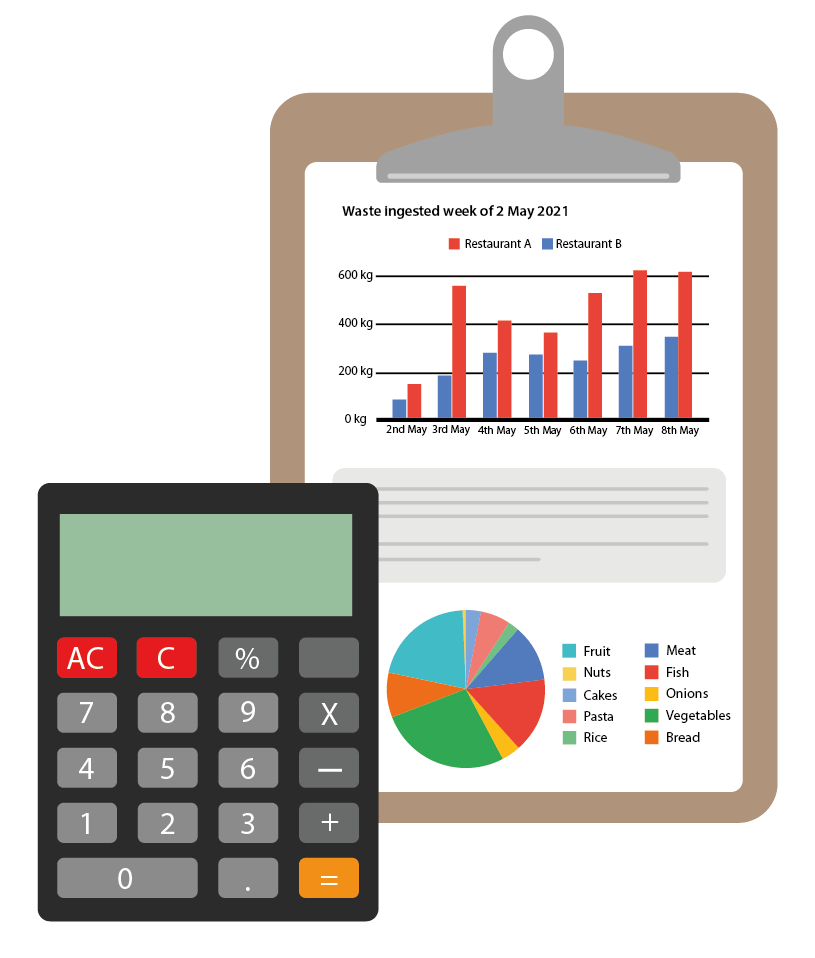
Your municipality can also promote conscious buying, eating, disposing, and even donating food waste within the community.
By having a system in place, you can directly gauge your sustainability impact and ensure you are actively reducing food waste. Plus, this allows residents to take part and take accountability in sustainable practices.
At the heart of any sustainable act is education. At Power Knot, we believe that sustainable education is the key to reducing global warming. By understanding what different cities in various states are doing to reduce food waste, it becomes easier to follow suit and implement the above solutions for more conscious food consumption and management in municipalities.