

The Pros and Cons of Food Waste Grinders
Food grinders have emerged as a potential solution for disposing of food scraps, and keeping them out of the landfill, but this equipment isn’t without its problems. Organizations with commercial food operations seek alternatives to the disposal of food waste in a landfill, often in response to the increase in regulations. Food grinders are tempting with the convenience they offer. However, there’s a reason that many cities have banned the use of food waste grinders.
Here we’ll describe what a food grinder is, how to use this solution for the disposal of food waste, and some of the potential drawbacks you may face in grinding food scraps. With a better understanding of how food waste grinders work, commercial food operations can make more strategic decisions as to how to best dispose of food scraps without sending them to the landfill.
What is a food waste grinder?
A food grinder is a piece of equipment that breaks down organic material such as food waste by grinding or shredding those materials into fine pieces that can be discharged directly into the wastewater system. These systems can be installed directly in the sink, as is popularly found in many residential kitchens. But large-scale industrial food grinders might be installed in a food production area so that food waste can be deposited in bulk, either via dumping in waste directly or placing it on a conveyer belt that runs to the grinder.
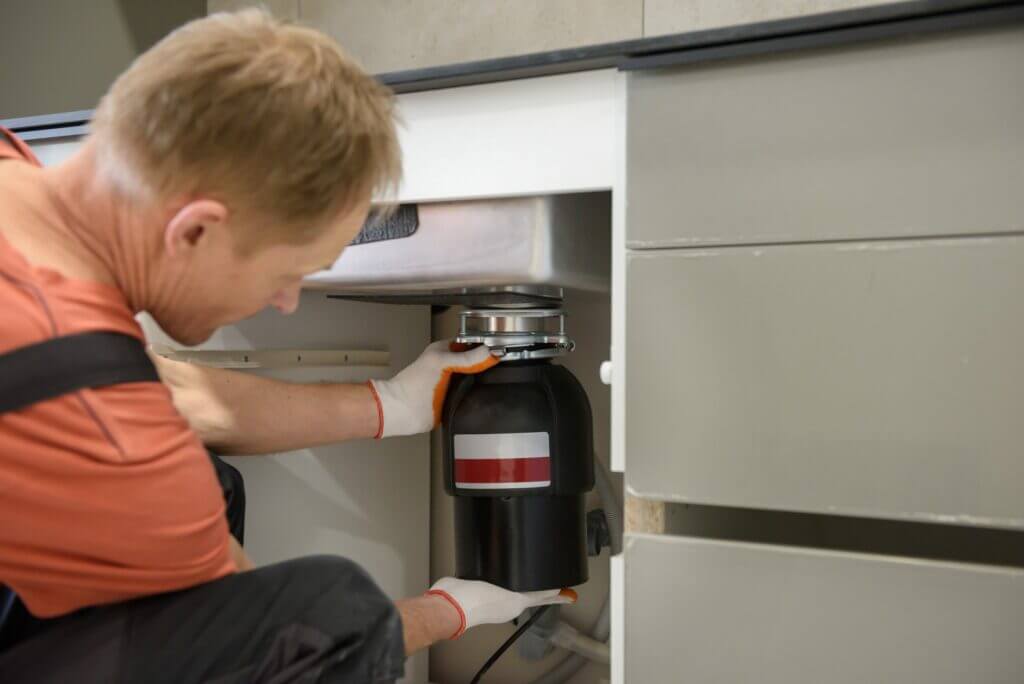
Once the waste has been macerated, it is typically washed out of the grinder with running water for disposal directly through the wastewater pipe and thereby to the sewage treatment plant or septic system.
How do you grind kitchen waste?
Food waste grinders use a variety of methods to break down food particles. Some commercial units feature rotors that create enough centripetal force to drive food waste against a stationary grind ring. These rings have metal teeth that can dull over time, making occasional maintenance important. This process breaks down the food scraps, virtually liquefying them according to manufacturers of this equipment.
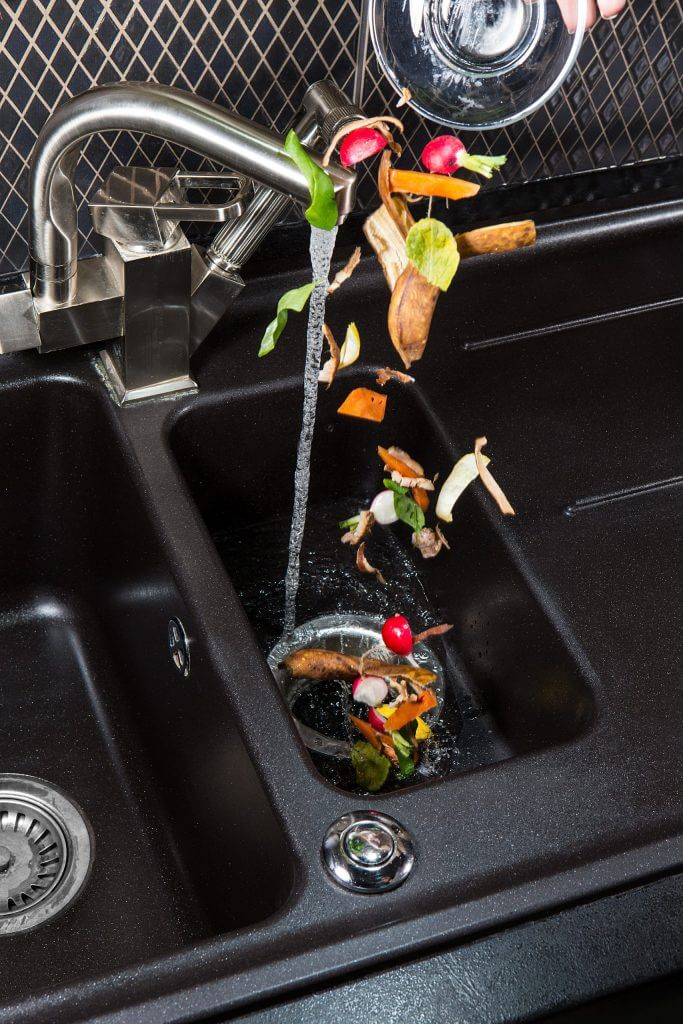
Other food waste grinders may use rotating blades to shred even the largest waste into small pieces. These commercial units may dispose of this food waste without the use of water. Shredded waste is deposited in a container that must be subsequently emptied and disposed of.
Food waste grinders are often rated to handle different levels of food waste. Those installed beneath a commercial sink may be capable of grinding meat and even small chicken bones. Most food waste grinders warn users against disposing of fat and grease, which can clog pipes.
Problems with food waste grinders
As the Canadian Water and Wastewater Association notes in an analysis of food grinders, this equipment uses both water and energy to grind down food. That means an investment in this system should incorporate the cost of the utilities as well as regular maintenance.
Maintenance is a major concern for grinders and shredders of all types. Grinding teeth dull over time or can be damaged by the inadvertent entry of cutlery, often requiring periodic replacement.
However, a bigger challenge is the fact that food waste grinders connected directly to the sewer can present a problem for some facilities and municipalities. In fact, concerns around disposing of food waste into the aged pipes of local sewer systems has led cities and individual buildings to ban food grinders in the past.
In areas where grinders are allowed, widespread operation of these systems may lead some municipalities to require excess flushing to prevent clogs in local pipes. It’s also important to remember that sewage treatment plants must capture this food waste and treat it.
Critics of these disposal systems point out that this undecomposed food waste can emit nitrogen as well as methane, once it is captured by a wastewater treatment facility where it may be left to decompose anaerobically.
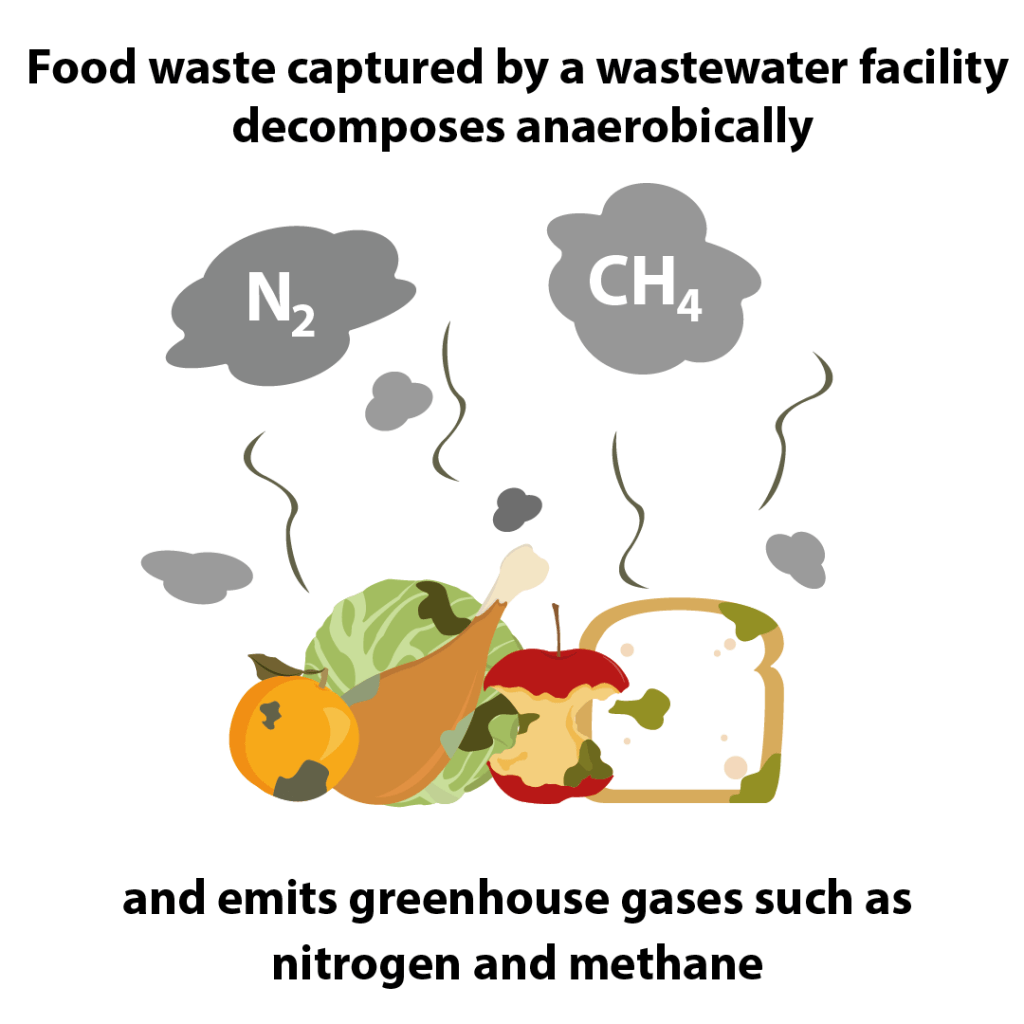
Depending on where the effluent is going after you dispose of it, organizations might negate any good they’re doing by keeping food waste out of the landfill.
What should I do with food scraps instead of grinding?
While food waste grinders provide a convenient solution for keeping food waste out of the landfills, they in many cases simply shift this problem to water treatment plants. Due to the maintenance required, they are rarely the best option for commercial food operations that need to easily dispose of large amounts of unavoidable food waste without adding to operational costs or processes.
Fortunately, there are a number of alternative solutions for food waste disposal available today. Many commercial food organizations are finding that an onsite biodigester provides an excellent alternative to food waste grinders.
As with grinders, food waste is disposed of in the kitchen and waste is sent directly into the wastewater system, the difference is what happens in between these steps. Biodigesters actually decompose food scraps through the introduction of natural microorganisms. By performing this work aerobically (in the presence of oxygen), biodigesters eliminate both odors and the hassle of disposing of food scraps outside. Rather than sending minute food particles down the pipes, the only emission from a biodigester is grey wastewater of fully digested food waste.
To learn more about how an on-site biodigester can help your organization, contact Power Knot today.