


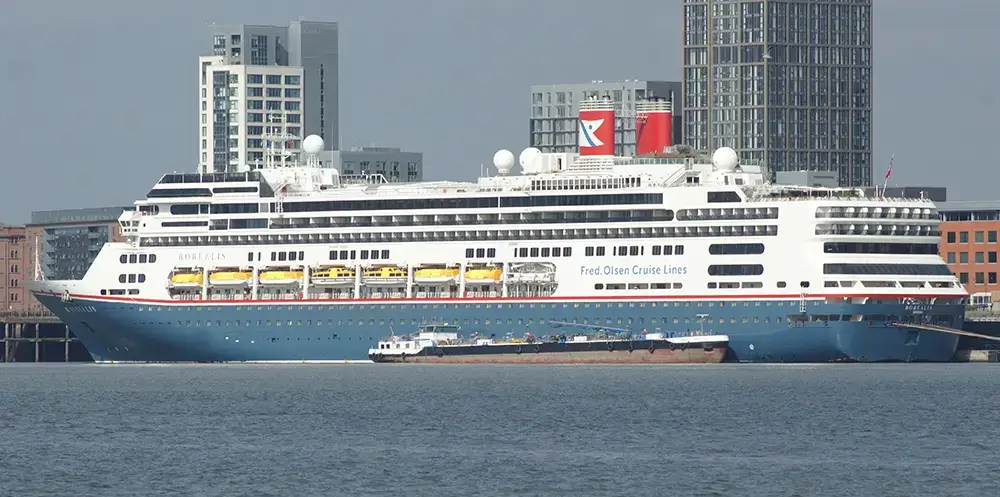
Fred. Olsen Cruise Lines has been sailing for more than 175 years. Family-founded and headquartered in the UK, the company operates three smaller ocean-going ships across the British Isles, Norwegian fjords, Mediterranean, and destinations further afield. All cruises depart from the North or Southern United Kingdom.
With itineraries ranging from three days to more than 80 days, guests choose Fred. Olsen Cruise Lines for a more personal way to explore the world. Its smaller ships carry fewer passengers and offer attentive service, carefully planned itineraries, and more time ashore.
That same care extends to the oceans the company sails and the ports it visits. When Fred. Olsen Cruise Lines looked for the next step in its sustainability journey, it turned to its galleys and Power Knot.
Sustainability in Daily Operations
Sustainability is part of everyday operations across Fred. Olsen Cruise Lines’ ships and shoreside teams.
The company is working toward IMO and EU decarbonization targets, including reducing carbon intensity by at least 40% by 2030 compared with a 2008 baseline. It also aims to achieve net-zero emissions by approximately 2050.
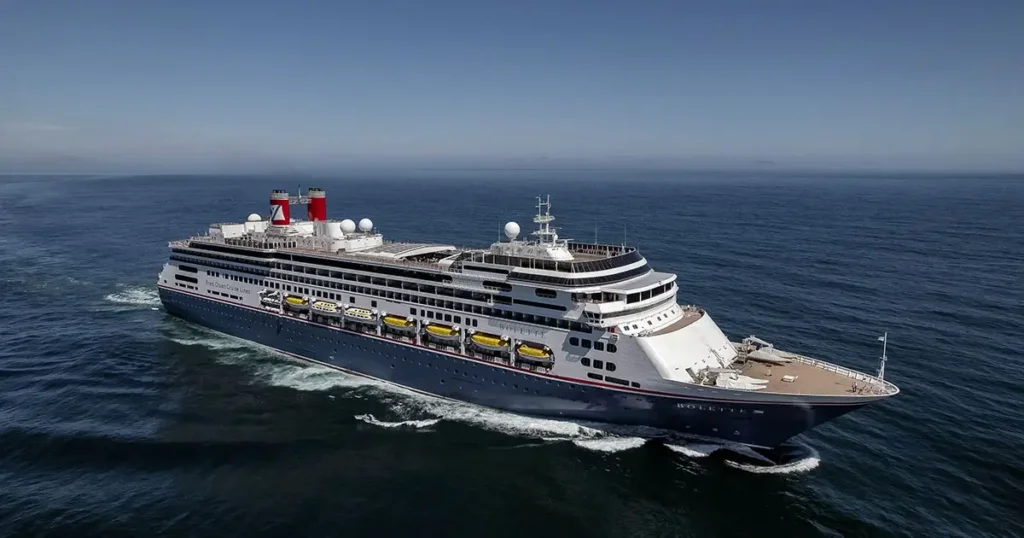
Fred. Olsen Cruise Lines extends the operational life of its existing ships through regular dry dock programs and efficiency improvements. These include silicone hull coatings, upgraded propellers, biofuel trials aboard Borealis, and the use of shore power by Bolette and Borealis wherever it is available.
Waste management receives the same attention. Crews separate plastic, cardboard, paper, metal, and glass for recycling ashore. Fred. Olsen Cruise Lines has also removed single-use plastic bottles, straws, stirrers, and other disposable plastic items across its fleet.
Fred. Olsen Cruise Lines was also the first UK cruise line to introduce a Carbon Literacy Programme for its shoreside teams.
Managing Food Waste Across the Fleet
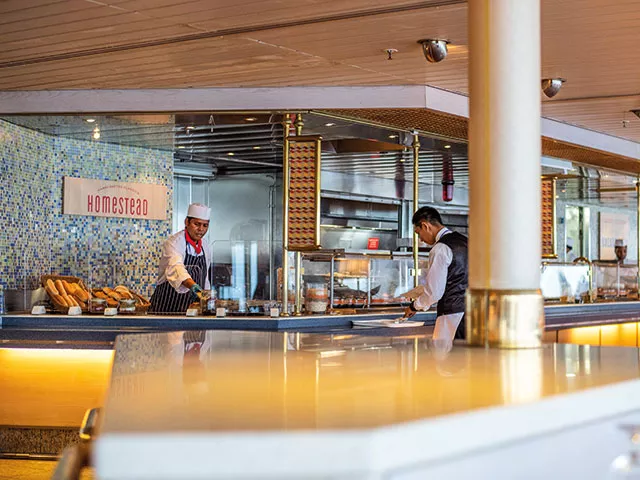
Dining is an important part of Fred. Olsen Cruise Lines experience, but preparing and serving fresh meals throughout the day creates a continuous stream of organic waste.
Each ship offers sit-down breakfast, lunch, and dinner, including a five-course evening menu featuring seafood, meats, and dishes inspired by the destinations visited. Bread is baked fresh on board every day.
Guests can also choose from casual and specialty dining venues. Bolette has five dining locations, Borealis has six, and Balmoral has four. With multiple venues operating from early morning until late evening, the ships generate food preparation waste, plate waste, and buffet surplus throughout every voyage.
Managing this volume safely and responsibly presents a significant operational challenge, particularly on itineraries lasting several weeks. Storage space is limited, and every ship must comply with strict maritime waste regulations throughout its journey.
Finding a Better Onboard Solution
Fred. Olsen Cruise Lines had already established strong practices for recycling and reducing single-use plastics. Food waste was the next area of focus.
Traditional food waste management methods at sea come with operational and environmental costs. Discharging macerated food waste is restricted under MARPOL Annex V. Incineration consumes energy and produces emissions, while storing food waste until it can be landed ashore requires valuable space, can attract pests, and may result in port disposal fees.
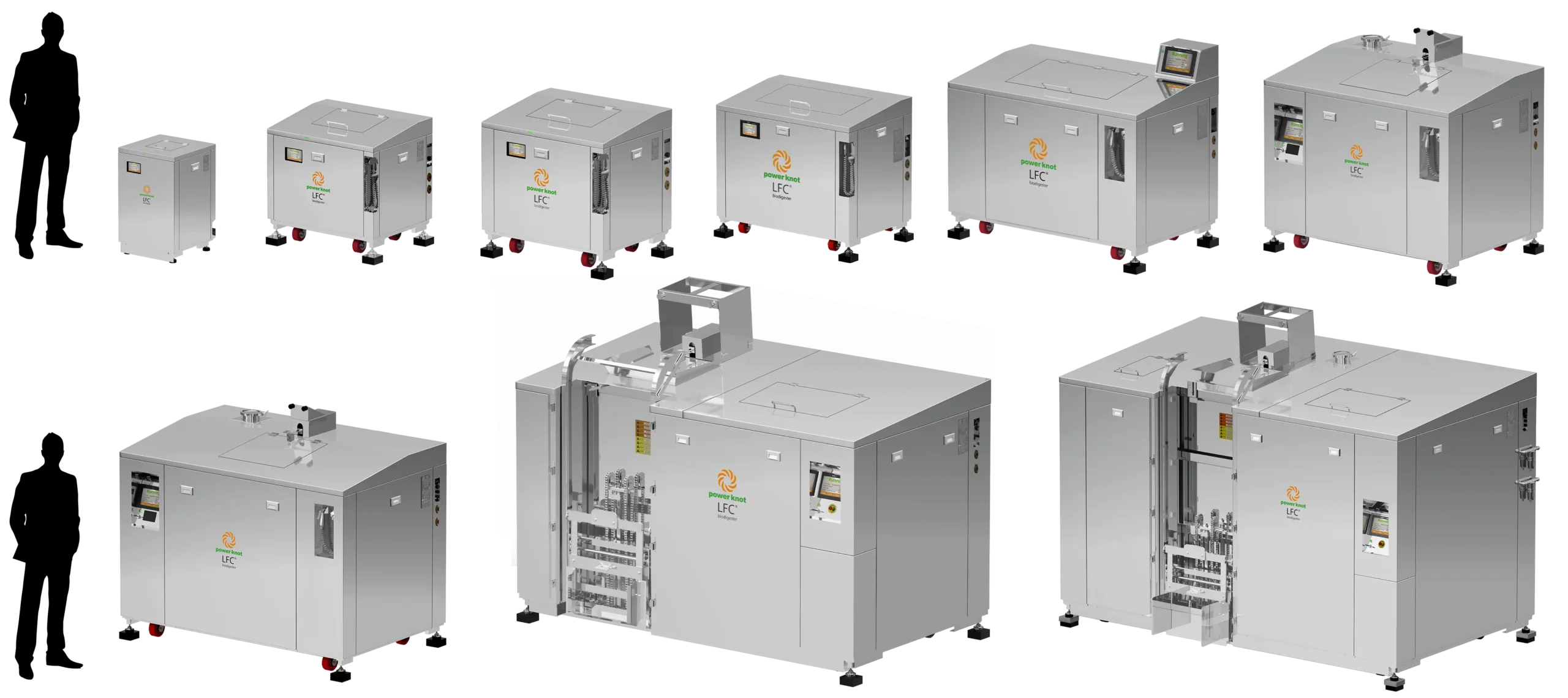
Fred. Olsen Cruise Lines selected the Power Knot LFC biodigester to provide a cleaner and more efficient way to process food waste on board.
Processing Food Waste at Its Source
The LFC biodigester uses a natural aerobic digestion process to break down food waste. The organic material is processed on board as it is generated, reducing the amount of waste that must be stored, incinerated, or landed ashore.
The system can be installed in an existing galley or waste-handling area and incorporated into established crew routines with minimal training.
For Fred. Olsen Cruise Lines, the LFC biodigester provides several operational advantages:
- Less waste to store: Food waste is processed at its source instead of being held until the next suitable port.
- Fewer disposal requirements: Less organic waste must be transported and landed ashore for treatment.
- Reduced reliance on incineration: Processing food waste through aerobic digestion supports efforts to reduce fuel use and emissions.
- Simpler compliance: Crews have a consistent method for managing food waste while navigating different sea areas and port requirements.
- Lower operating costs: Reduced storage, handling, incineration, and port disposal requirements can help deliver a rapid return on investment.
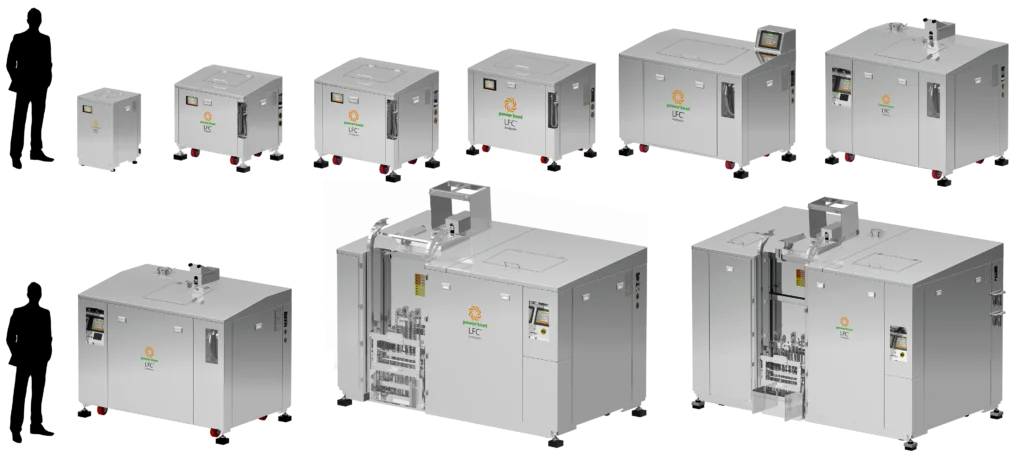
Available in nine sizes, LFC biodigesters can process from 10 kg (22 lb) to 6,000 kg (13,200 lb) of food waste per day, providing options for vessels of different sizes and operational requirements.
Cleaner Waste Streams Start at the Source
The work by Fred. Olsen Cruise Lines to eliminate single-use plastics also supports more effective food waste processing.
The LFC biodigester is designed to process organic material, not packaging. Items such as straws, stirrers, portion cups, and plastic wrap can contaminate the food waste stream and must be removed before loading.
Eliminating these items at the source creates a cleaner stream of organic waste, reduces sorting time for the crew, and helps the LFC biodigester operate efficiently.
Together, these practices create a more responsible onboard waste management system. Recyclable materials are separated for processing ashore, while food waste is managed directly on board. This reduces the volume of waste requiring storage, incineration, or disposal and supports the long-term sustainability goals of Fred. Olsen Cruise Lines.