

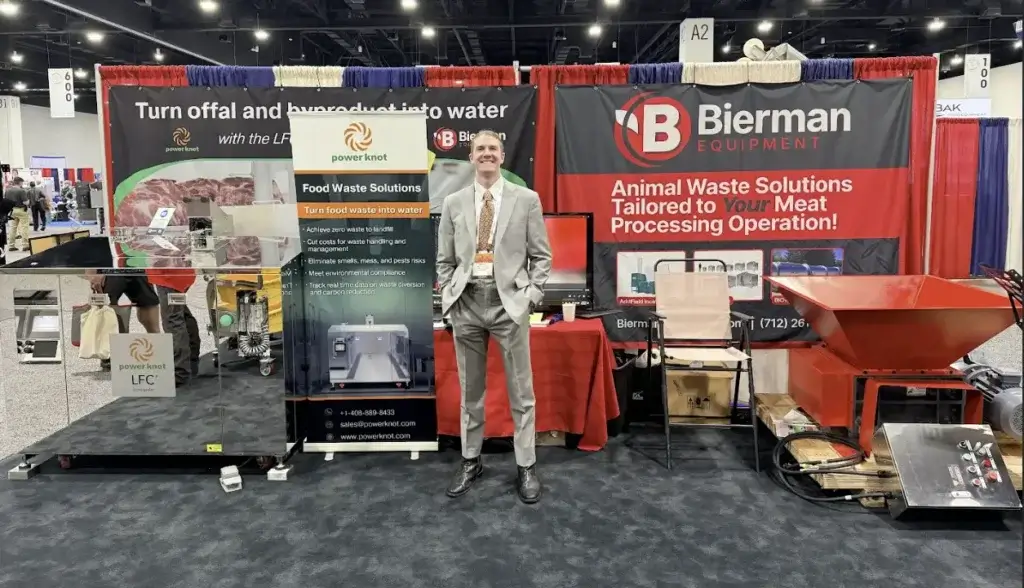
The American Association of Meat Processors (AAMP) Convention & Suppliers’ Exhibition continues to showcase the latest innovations shaping the meat processing industry. At AAMP 2026, one theme was clear: processors are looking for equipment that improves efficiency, simplifies operations, and helps recover more value from every animal. Here are four key trends impacting the meat processing industry.
1. Integrated Solutions Are in High Demand
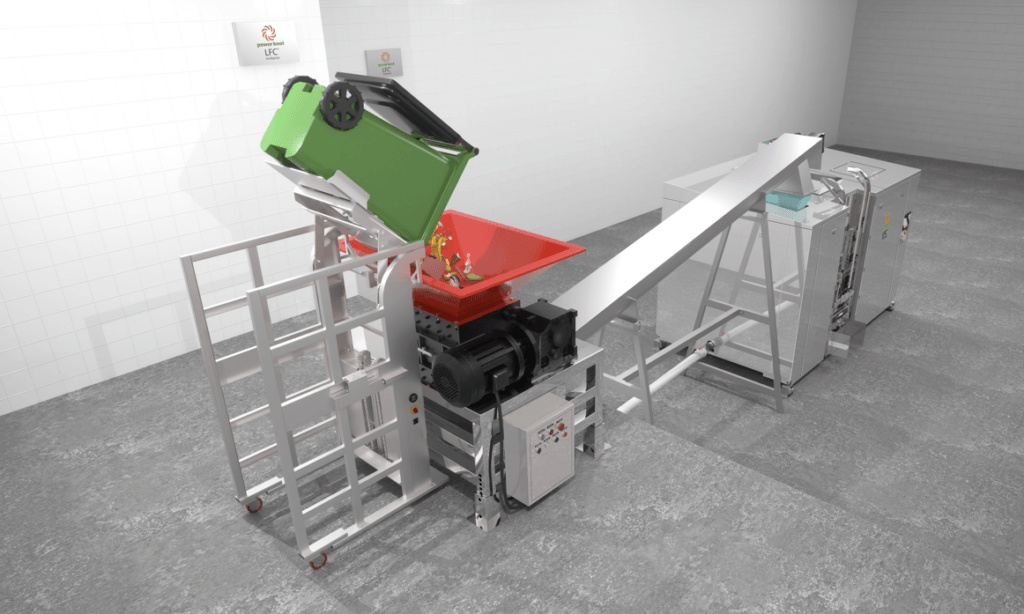
Many meat processors are moving away from complex systems made up of multiple standalone machines. Instead, they are looking for integrated solutions that reduce operational complexity and improve reliability.
Every additional piece of equipment introduces another potential point of failure. If one machine stops working, the entire process can come to a halt.
Solutions that work together seamlessly help processors minimize downtime, reduce maintenance, and simplify employee training.
Power Knot’s BCG shredder is designed to work directly with the LFC biodigester, creating a streamlined solution for processing organic waste, including bones, offal, hides, and stomach contents.
2. Equipment Must Support Four Critical Priorities
When investing in new equipment, meat processors consistently evaluate solutions based on four key requirements:
- Precision to maximize product quality and consistency.
- Food safety through hygienic equipment that is easy to clean and sanitize.
- Higher yields by reducing waste and recovering more usable material.
- Speed and reliability to keep pace with high-volume production.
Equipment that delivers across all four areas provides the greatest long-term value.
3. Waste Is Becoming a Valuable Resource
Materials once considered waste, including bones, skin, fat, and offal, are increasingly viewed as valuable by-products.
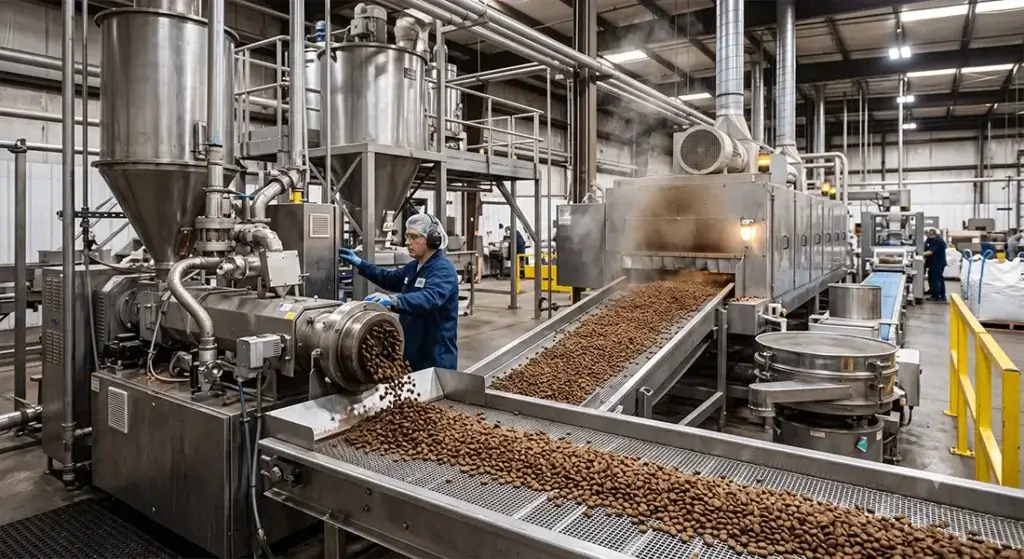
These materials can often be repurposed for rendering, pet food, fertilizers, biofuels, and other secondary markets, creating additional revenue opportunities while reducing disposal costs.
Proper size reduction is often the first step in preparing these materials for downstream processing. The BCG shredder efficiently processes these challenging waste streams, making them easier to transport, recover, or further process depending on the facility’s objectives.
4. Automation Continues to Drive Purchasing Decisions
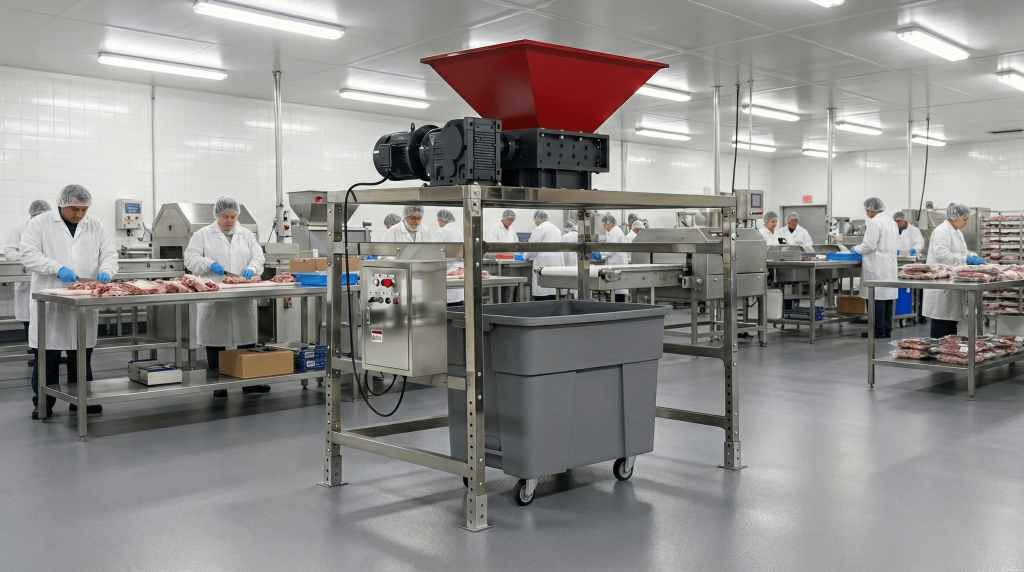
Labor shortages remain a significant challenge throughout the meat processing industry. As a result, processors continue to invest in equipment that automates repetitive and physically demanding tasks.
Automated waste handling reduces manual lifting, improves workplace safety, increases consistency, and allows employees to focus on higher-value production activities.
Integrated waste handling systems that transport, shred, and process organic waste with minimal operator intervention are becoming increasingly attractive as facilities seek to improve efficiency while controlling labor costs.
Looking Ahead
AAMP 2026 reinforced a clear industry direction: meat processors are seeking simpler, more reliable, and more efficient solutions that maximize product recovery while minimizing waste and labor.
As processors continue to modernize their operations, technologies that integrate waste handling, improve sanitation, and recover value from organic by-products will play an increasingly important role in helping facilities remain competitive. Contact Power Knot to see how the BCG shredder can optimize your meat processing facility.