

Corporate social responsibility (CSR) is a management structure that enables companies to integrate social and environmental priorities into their daily business operations and in their interactions with customers and other stakeholders. The United Nations Industrial Development Organization further explains that CSR is a way through which companies find balance between economic, environmental, and social imperatives while meeting stakeholders’ expectations. A CSR strategy provides companies with a valuable framework for identifying opportunities to enhance service, profit, and innovation while positively impacting the world around them.
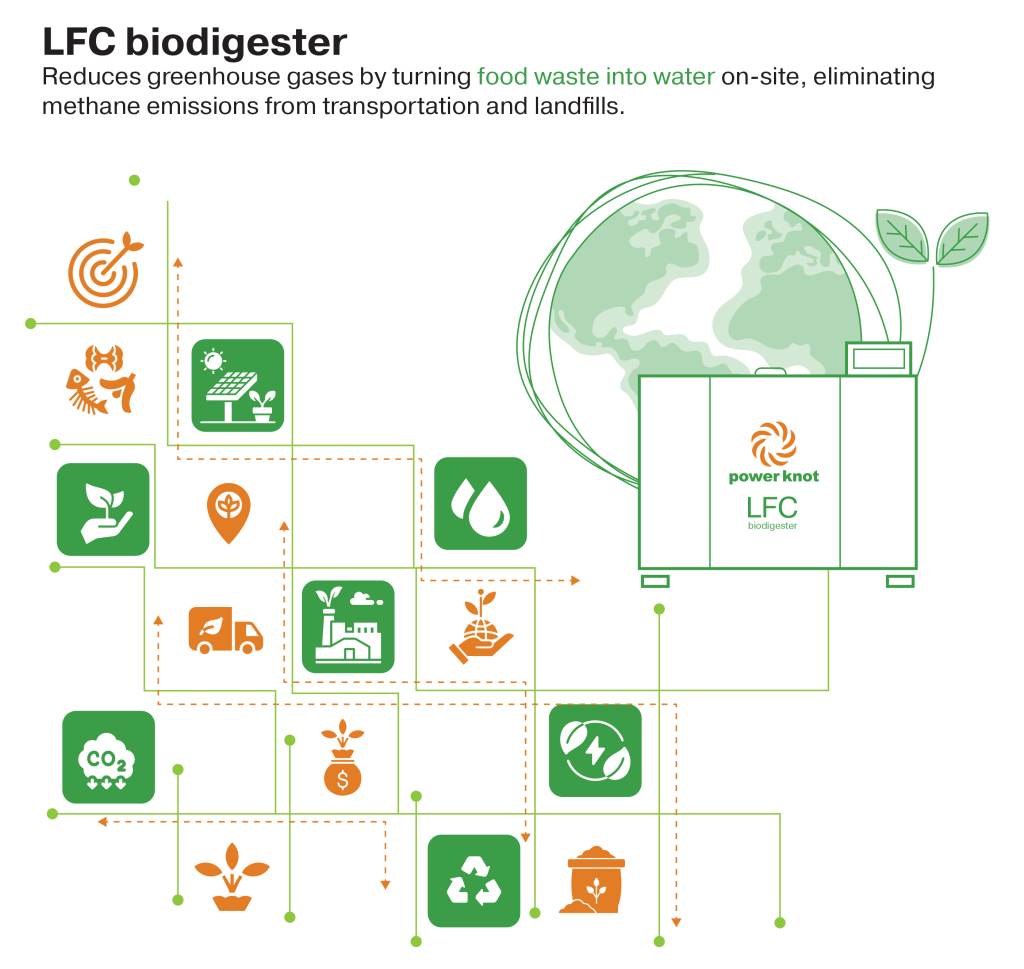
Consider this example of how CSR can look in practice: Investing in an onsite biodigester allows organizations to reduce the cost of waste management. This equipment also reduces physical labor demands upon an organization’s workforce and minimizes the organization’s carbon footprint. Investments like these can lower operational costs – and increase profits – while providing an overall positive impact on people and the environment. A CSR strategy helps companies identify opportunities to strike this balance.
Benefits of corporate social responsibility
A CSR strategy requires that companies put time and attention into ensuring business decisions align with social, economic, and environmental priorities. However, there are three particularly powerful and profitable reasons why corporations should adopt a CSR strategy.
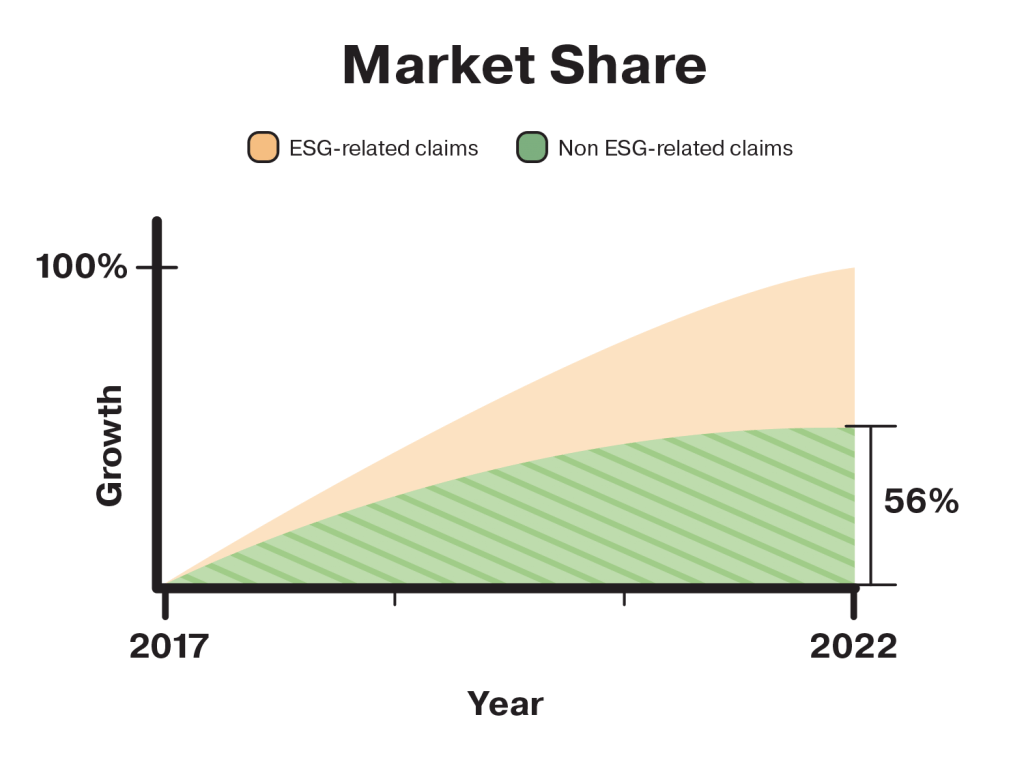
Consumers want to purchase from socially and environmentally responsible companies. Numerous studies have concluded this point. Among them is an analysis of U.S. sales data from 2017 to 2022, from which McKinsey & Co. and NielsenIQ determined that products making ESG-related claims accounted for 56% of all growth over the last five years. Companies without a CSR strategy risk losing market share.
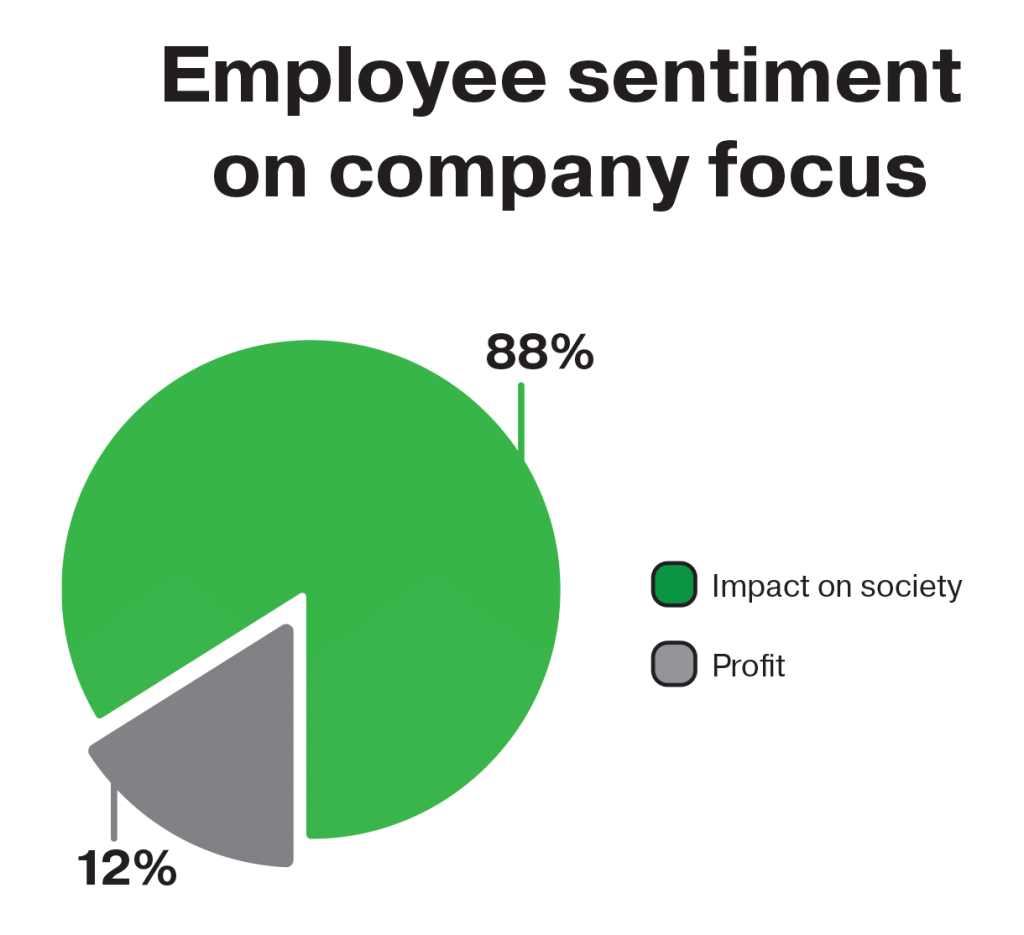
People want to work for socially and environmentally responsible companies. CSR initiatives have become in-demand benefits for prospective employees and have proven to strengthen employee engagement. Communications firm Porter Novelli found that 88% of surveyed employees believe it is unacceptable for companies to focus solely on profit; companies must also positively impact society.
Companies that adopt CSR strategies can shape their strategy on their own timeline and budget. Climate change is driving policymakers around the world to take action related to corporate environmental, social, and governance responsibilities. When organizations take action to stay ahead of the requirements coming their way, they can often lower the cost of implementing operational changes.
How to create a CSR strategy
A CSR strategy ensures that your social responsibility priorities can be woven into every aspect of your corporate culture. When strategically planned, CSR elements align with and help advance other business goals.
In creating your CSR strategy, consider the following seven elements:

Define the concept and benefits of CSR. Defining what CSR means to your organization can set the stage for messaging that will appeal to customers, employees, and investors. In addition, ensuring that all stakeholders understand the value of your CSR strategy will help secure acceptance as you unroll your future initiatives.

Identify stakeholders. Determine who will be impacted by your CSR initiatives. This may include employees, investors, customers, suppliers, and your community.

Identify areas where you can deliver progress on the issues that matter. A material assessment, in which you survey stakeholders to determine what CSR areas matter most, can help you identify the issues on which to focus. Organizations can also look to the United Nations Sustainable Development Goals to identify areas in which they can make an impact.

Align goals with your culture. It’s critical that any CSR goals authentically reflect your organization’s brand, value, and culture. A misalignment can negatively impact your brand. In aligning your goals, consider how your organization’s strengths can uniquely impact social and environmental issues.

Establish a baseline. Understanding your impact on CSR goals today is essential for measuring future progress. In addition, a CSR analysis can help you determine if there are initiatives already underway that could benefit from a new approach or greater corporate support.

Create a framework for implementation and accountability. This framework should include metrics by which to measure performance and to ensure that goals aren’t ignored.

Report on your initiatives. Develop methods for transparently communicating about the program to your various stakeholders. This may include reporting via different public indices that measure social, economic, and environmental impact.
Example of a CSR strategy
To return to the example in the introduction, installing an onsite biodigester can play a powerful role in lowering operational costs while furthering CSR goals. Consider this investment in the context of a CSR strategy.
Organizations committed to sustainability are increasingly recognizing the environmental impact of sending food waste to the landfills. For organizations that produce or serve food, eliminating the transportation of food waste off site is a powerful way to create an impact in a way that aligns with the brand. An organization may decide to undertake a food waste audit to understand the current impact of their food waste, while also auditing the direct and indirect costs of waste management.
When it comes to creating metrics, LFC biodigesters simplify the process of measuring the environmental impact of diverting organic waste from landfills. The equipment is about to identify the quantity of and times when waste is generated. By using NFC cards, users can also track the types and amounts of waste processed. This information can be used to make changes to menus and procurement. Through the LFC cloud, operators can generate reports on waste that can be easily shared with all stakeholders.
Turn your CSR strategy into action
Organizations including the Hilton Group, Four Seasons, and Microsoft Dubai, among others, are already choosing Power Knot’s LFC biodigesters to further their CSR goals. If you’re ready to learn more about how a biodigester investment can help advance your CSR strategy, contact Power Knot today.