

To speed progress in carbon reductions, many cities and several states have opted to regulate organic waste disposal. These regulations for the recycling of food scraps aim to reduce the amount of organic waste sent to landfills, where food decomposes in an oxygen-free process that releases damaging methane into the atmosphere. These measures stand to have a significant impact on climate change, as in the U.S. alone approximately 40% of the food produced is wasted.
While more regulations continue to be added to state and local books, not all such regulations have proven effective. Below, we describe some of the challenges municipal food waste programs face. With this understanding, organizations and municipalities considering their own food scrap recycling program can chart a successful course.
Food waste reduction regulations vary in scope
At least six U.S. states have enacted laws requiring at least some food production and service businesses to donate leftover food or dispose of it via an organics recycler. These include California’s strict food waste laws that require all businesses and residents to separate organic from non-organic waste, as well as Vermont’s decade-old Universal Recycling Law, which bans commercial businesses and residential households from sending food scraps to landfills. Several other states have somewhat looser commitments in place to drive movement toward the national goal of reducing food waste by 50% by 2030.
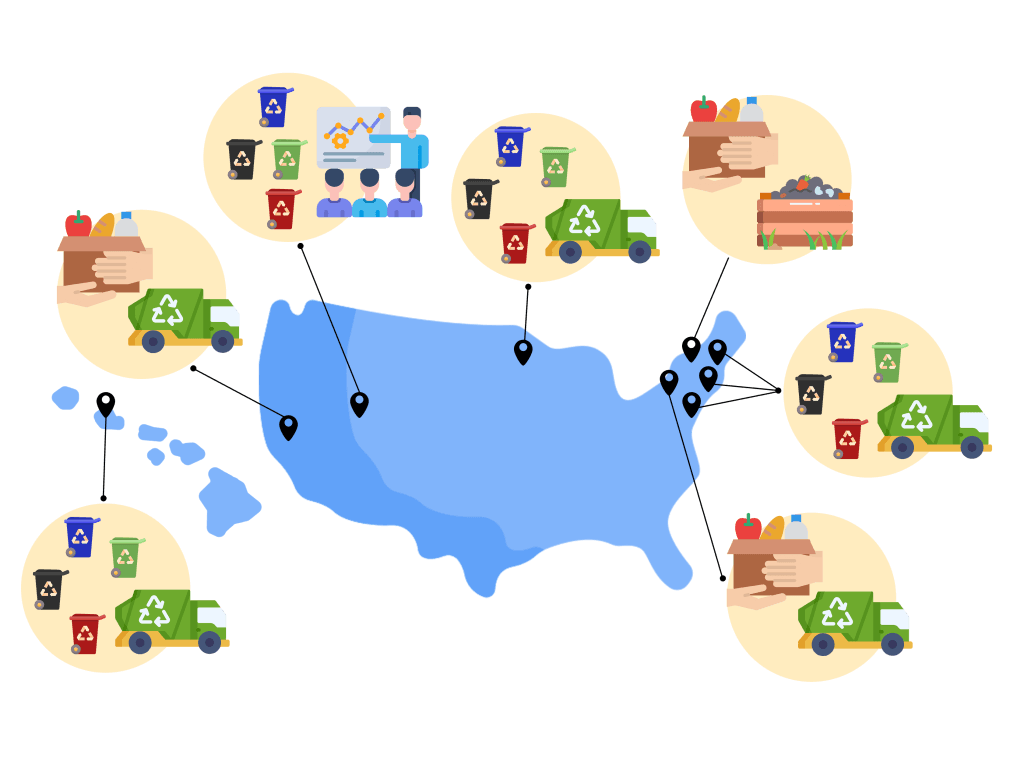
In other states, the momentum to reduce landfill food waste disposal falls to the city or county level. However, a number of communities looking to regulate the disposal of organic waste find themselves facing challenges in implementation.
Challenges to municipal food waste reduction programs
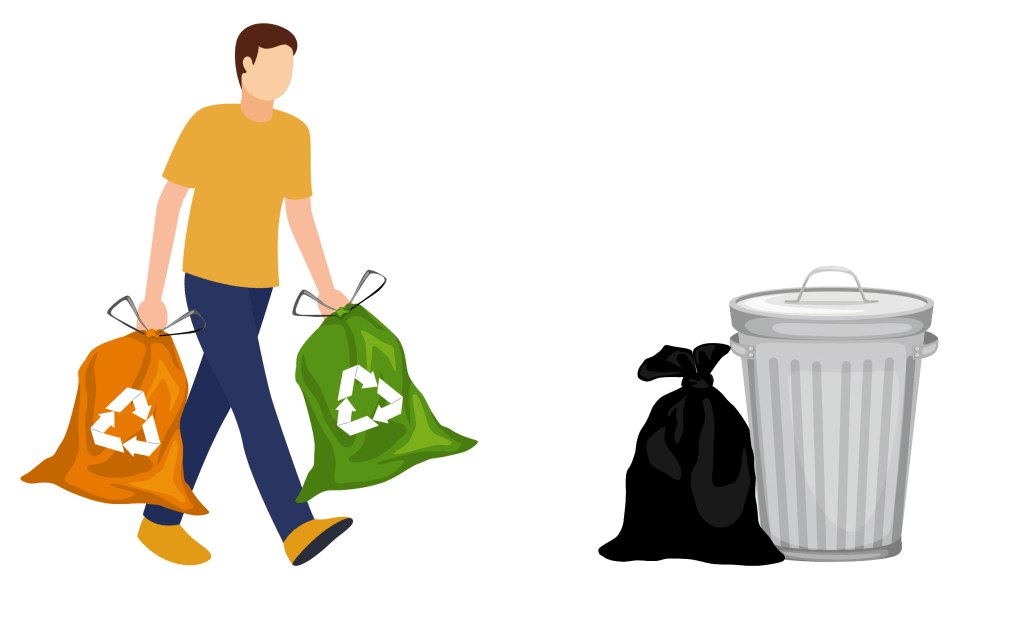
For example, a pilot food waste collection program launched in 2022 in West Haven, Conn., is at risk due to low levels of participation. The program encourages city residents to bag food waste separately from other household trash. Residents are encouraged to place organic waste in a green bag and other waste in an orange bag. The program has reached a plateaue of approximately 20% participation rate in its first year.
A composting program implemented by the Village of Canton, N.Y., is facing its own challenges. In 2019, the community launched a food waste pilot program that created a site at which the community could compost food scraps. However, to prevent methane generation and speed the decomposition process, organic waste must be regularly turned over. The intensive labor required to maintain the compost area is one of several problems the community has faced. The site has also attracted rodents and bugs. Residents are disposing of other trash in the area as well, adding to the maintenance challenges.
Recently, state oversight panel has called on California to pause implementation of Senate Bill 1383, which mandates that cities and counties offer organic waste recycling, because the problematic program is falling short of its goals. Evidence indicates that the amount of organic waste in landfills has actually increased since the bill’s implementation.
5 tips to drive food scrap recycling success
The good news is that the programs noted above are all moving forward. They recognize that setbacks are a part of trying something new and offer valuable insight for moving forward.
For municipalities and organizations looking for how best to implement their own food scrap recycling programs, consider the following five tips:

Make it convenient. Regulatory compliance is rarely convenient. However, programs that prioritize incremental step changes are more likely to see success. Programs may also consider providing a range of options for achieving the same goal, recognizing that having just a single approach to the reductions in food waste may prove challenging.

Make the cost case. Expensive implementation plans are going to face more resistance than cheap or free alternatives for food scrap recycling. That’s part of the appeal of composting solutions, after all. But it doesn’t take long for program managers to recognize that there’s always a trade-off in selecting a low-cost option. And in many cases, more expensive upfront solutions provide greater long-term savings. Incentives, such as tax abatements or grants, can help offset higher upfront costs.

Build engagement. Buy-in from your constituents, employees, and other stakeholders are essential for driving progress. Education and engagement efforts must start early and take numerous forms. Forming partnerships with community organizations can help amplify your message.

Bring in an expert. There is now more than a decade of experience in municipal food waste disposal programs from which to draw. Organizations and municipalities have the option of consulting with experts knowledgeable in food scrap recycling or simply reaching out to organizations that have already made progress in this arena.

Learn from your mistakes. Progress rarely happens without setbacks. Organizations and municipalities tracking established metrics for progress are more able to pivot rapidly in a new direction.
A multi-prong approach to food waste reduction
There’s much work to be done to reach the national goal to reduce food waste by 50% by 2030. Progress must take many forms. While regulations may prove necessary to jumpstart progress, many organizations are voluntarily embracing this sustainable form of operating. They’re finding that Power Knot’s LFC biodigester is a convenient, cost-effective, data-driven solution for managing food waste. Organizations of all types have seen a payback on their investment in less than two years. Moreover, our experts are available to support organizations at every step, from selection of the appropriate size of biodigester, to initial commissions, long term servicing, and accessing the data available through the LFC cloud.
If you’re ready to chart your course toward food waste reduction success, Power Knot can help. Explore our resources or contact one of our team members today.