

In the world of sustainable living and environmental consciousness, home composting has gained significant popularity as an environmentally friendly solution to food waste. However, amidst the growing market of composting solutions, a concerning trend has emerged: the misrepresentation of countertop “composters” or effortless alternatives to traditional composting methods. These so-called home composters are often marketed as miracle devices that effortlessly transform kitchen scraps and yard waste into high-quality plant food.
Yet, a closer examination reveals a different reality. Instead of true composters, many of these devices are nothing more than glorified grinders or dehydrators, resulting in a product classified by California as soil amendment, rather than the nutrient-rich compost they claim to produce. This discrepancy highlights the importance of understanding the true capabilities and limitations of home composters in order to make informed decisions about sustainable waste management practices.
How does traditional home composting work?
Traditional home composting is a lengthy process that involves decomposing organic materials to create nutrient-rich compost. There are strict requirements to maintaining home composting.
- Choose a composting method: Select a compost bin, pile, or vermiculture (using worms) based on space and preferences.
- Collect organic materials: Gather kitchen scraps, yard waste, and non-meat, non-dairy food scraps.
- Carbon-to-nitrogen balance: Aim for a mix of “green” nitrogen-rich materials (kitchen scraps) and “brown” carbon-rich materials (dry leaves, shredded paper).
- Layering and moisture: Alternate layers of brown and green materials, ensuring moisture but not excess
- Aerate the compost: Regularly turn or mix to introduce oxygen and promote decomposition.
- Maintain proper conditions: Ensure airflow, adjust moisture levels, and maintain a temperature range of 43°C to 71°C (110°F to 160°F).
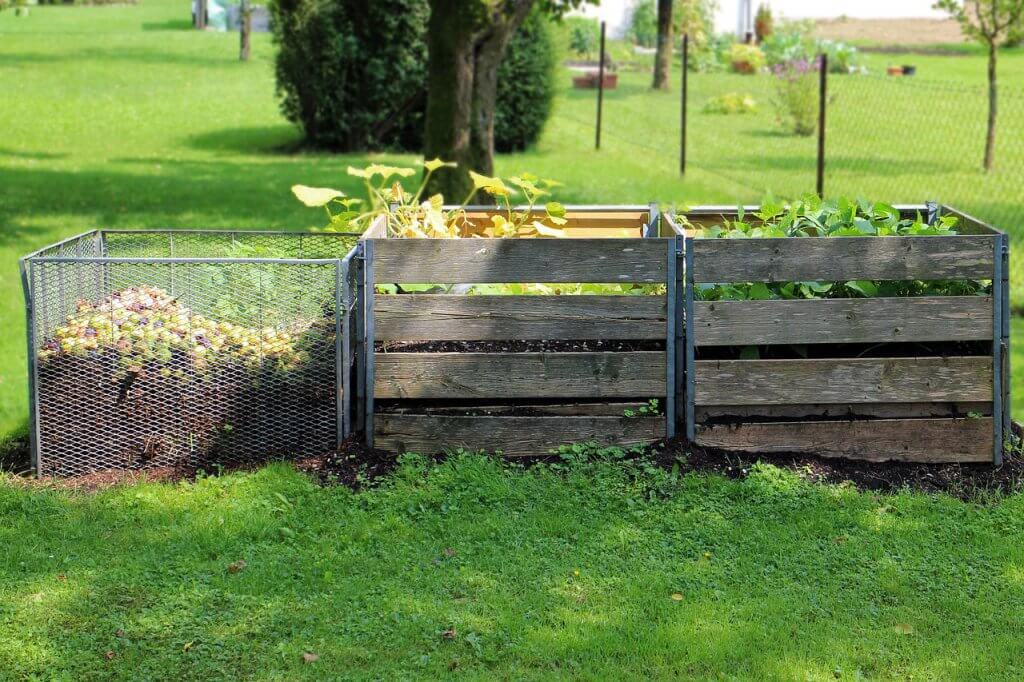
Improper adherence to these conditions will lead to a pile of organic waste that cannot be used for composting, or create methane gas. Improper composting practices, such as creating anaerobic conditions (lack of oxygen), can promote the growth of methane-producing bacteria.
These bacteria thrive in low-oxygen environments and produce methane as a byproduct of their metabolic processes. When organic waste decomposes without sufficient oxygen supply, such as in a compacted or waterlogged compost pile, methane production can increase.
How do home compost machines work?
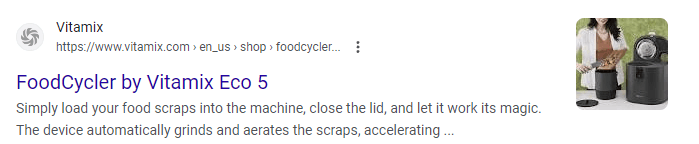
Home composters, like the Eco 5, operate through a combination of processes that result in the transformation of food waste into a soil amendment.
- Pulverizing: The home composter, such as the Eco 5, utilizes a quiet pulverizing mechanism to physically break down food waste. This process involves grinding the waste into smaller particles, increasing its surface area for easier decomposition.
- Aeration: Alongside pulverizing, the home composter also incorporates aeration. Aeration involves the introduction of oxygen to the waste material, promoting aerobic decomposition.
- Heating: The composter aids the decomposition process by providing controlled heating. The heat generated helps accelerate the breakdown of organic matter and supports the activity of the microorganisms responsible for decomposition.
- Resultant soil amendment: Through the combined processes of pulverizing, aeration, and heating, the home composter converts food waste into a dry, nutrient-rich soil amendment.
According to Vitamix, “The Eco 5 works by quietly pulverizing the food waste while at the same time aerating and heating it. The result is a dry, nutrient-rich soil amendment that can be used for gardening applications. The Eco 5’s unique grinding system is so effective that it can break down nearly every type of food waste – including meat, bones, and shells – into a dry, fine powder.”
What is a soil amendment?
Soil amendment is not the same as compost. Soil amendment may improve soil properties, while compost is a kind of soil conditioner. Compost commonly refers to the food waste plant growers add to soil, but soil conditioner is a broader term encompassing the many different systems and kinds of organic matter that enhance all soil types.
It is important to be aware that “home composters,” such as grinders or dehydrators, consume more electricity compared to traditional composting methods. While these devices offer convenience and speed up the composting process, they require electricity to operate, resulting in increased energy consumption. By contrast, traditional composting methods, such as backyard compost bins or piles, rely on natural processes and do not require any additional energy inputs. Therefore, residents should consider the environmental impact of their composting choices and opt for methods that minimize electricity usage to promote sustainable and energy-efficient practices.
Dehydrators for businesses
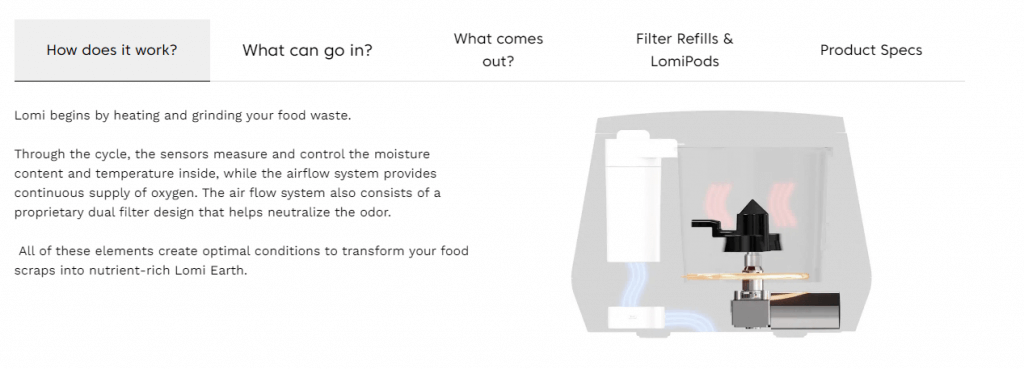
Many dehydrators are also marketed as composters in business cases, which can be misleading for consumers. While these devices are often promoted as composters, they actually produce a soil amendment that cannot be used as traditional compost. Instead, the resulting material is basically dried food waste. This misrepresentation can create confusion among corporations seeking to engage in composting practices, as the end product may not fulfill their expectations.
While dehydrators may produce soil amendment, the output can typically not be used to grow plants. The dehydration process can concentrate salts from the organic waste, rendering the resulting material unsuitable for direct application to soil. Instead, it is recommended to use the dehydrated output sparingly and as an additive rather than the primary component in soil amendment.
Food waste solutions that work
For homes and businesses seeking an environmentally friendly solution to food waste, traditional composting is highly recommended. This method involves the decomposition of organic materials, such as food scraps and yard waste, in a controlled environment, resulting in nutrient-rich compost that can be used to enrich soil. Traditional composting is a cost-effective and sustainable option that reduces waste sent to landfills and helps to reduce greenhouse gas emissions.
However, for businesses that may not have the space, time, or resources to engage in traditional composting, the LFC biodigester offers a convenient and eco-friendly alternative. The LFC biodigester is a food waste digester that utilizes aerobic digestion technology to break down organic waste. It converts all food waste into water, which can be safely discharged into the sewage system. This system eliminates the need for waste transportation and reduces the carbon footprint associated with the disposal of food waste.
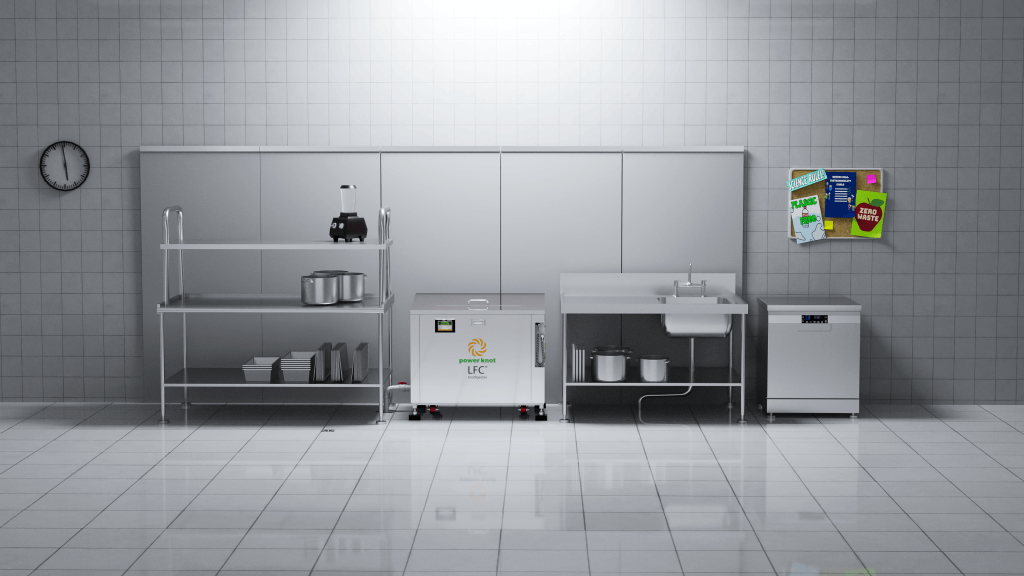
By considering the LFC biodigester, businesses can effectively manage their food waste without compromising environmental sustainability. Contact us today to learn more about the LFC biodigester.