

Any waste discharged into the ocean is subject to becoming part of the ocean food chain, impacting marine life and humans. This impact has driven efforts to reduce pollution from agricultural runoff and sewage discharged into waterways. Now more than ever, marine experts are calling into question the impact of grey water discharge on marine life.
As the impact of grey water on marine life becomes evident, proactive ship operators are making changes to how they manage their grey water discharge.
What is grey water?
Grey water is any type of water that has been used for tasks such as washing, laundry, or cooking. While this water may contain dirt, pathogens, and other contaminants, it is distinguished from black water, which is contaminated by human or medical waste.
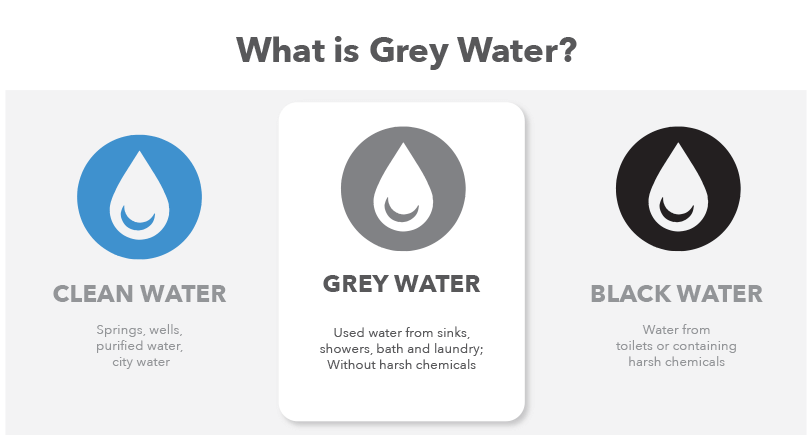
On land, grey water is generally thought of as safe for reuse in irrigation and is disposed down the drain without a second thought. On the ocean, however, grey water may be more of a threat than many people recognize.
Grey water’s impact on the marine environment
Cruise shapes discharge an average of 254 liters of wastewater per day per person, according to data from the U.S. Environmental Protection Agency.
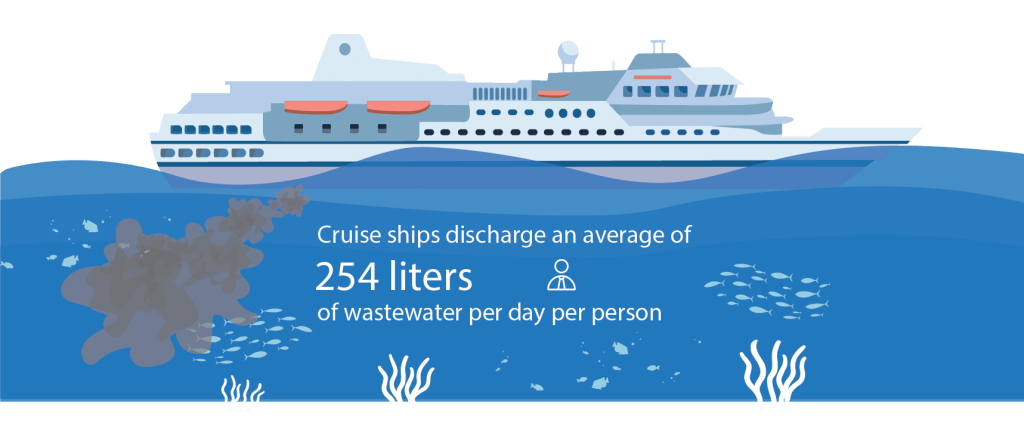
On land, this waste may be safely discharged into the earth through irrigation. However, in the ocean this grey water carries with it numerous particles that can be harmful to marine life. This includes bacteria and other pathogens, pharmaceuticals and personal care products, per- and polyfluoroalkyl chemicals, and other toxic chemicals that can be harmful to marine life.
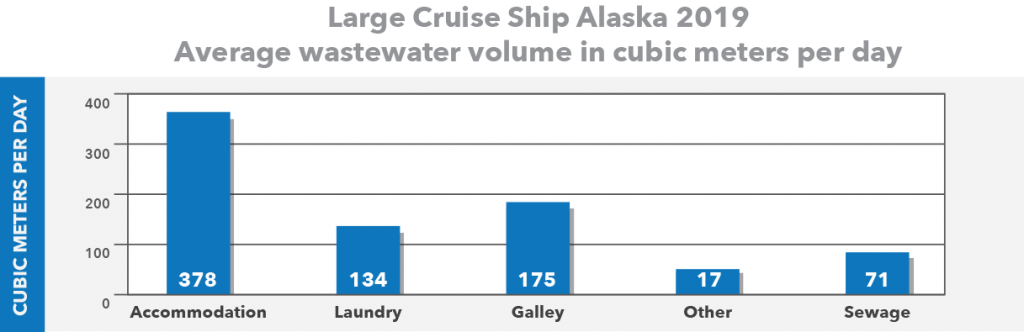
A 2021 Ocean Conservancy report, Grey Water from Passenger Vehicles in Alaska, revealed high levels of bacteria, solids, nutrients, and metals to be common in ship’s grey water. In fact, the report found these contaminants present in numbers comparable to the amounts typically found in raw sewage.
In addition, grey water increasingly contains evidence of microplastics. Microplastics are plastic particles measuring less than five millimeters in diameter. These plastics might be incorporated into commercial products such as cosmetics and textiles, or generated through the breakdown of larger plastic materials, such as straws and plastic water bottles. Just like larger plastics, microplastics take hundred to thousands of years to effectively break down into inert components. In the meantime, these tiny plastics may hamper movement of or be consumed by marine animals.
Evidence of these small plastics have been found in a wide range of organisms, including commercial seafood. In some cases, these plastics bind with chemicals discharged into the ocean.
Maritime regulations governing grey water
While there are local rules that govern ships’ grey water discharge, there currently is no internationally-enforced requirement regulating the discharge of grey water. Per Annex IV of the International Convention for the Prevention of Pollution from Ships (MARPOL), grey water can be directly discharged into most marine environments without further treatment.
However, organizations are increasingly calling for forthcoming MARPOL revisions to provide more stringent guidance on grey water discharge. As the International Maritime Organization has updated its MARPOL guidance to include carbon emissions requirements, and create more sustainable vessels overall, ship owners may wish to proactively rein in other emissions as well.
How to safely discharge grey water on ships
So, how can ships more sustainably manage their grey water? One potential solution is to incorporate shipboard solutions that reduce the risk of discharging microplastics that contain polyethylene, polypropylene, nylon, acrylates copolymer, and other toxic materials.
EPA research indicates that the primary source of plastic contamination in food waste streams comes through improperly sorted food packaging and containers. This is an area where a biodigester can help. This sealed equipment houses microorganisms that break down food waste in an oxygen-rich process and turn food waste into grey water. Any non-organic material does not get digested and remains in the machine. Ships can use additional filters and grates to keep non-digested material—including plastic particles—within the machine and out of the waste stream.
Power Knot has installed hundreds of its LFC biodigesters on cruise ships, tankers, FSRUs, and mega yachts. If you’re ready to learn more about how a biodigester can help your ships achieve sustainability goals, contact Power Knot today.