

With growing demand for sustainable commercial kitchen design, today’s kitchen designers are tasked with delivering eco-friendly solutions that meet strict environmental standards—while maintaining peak functionality, durability, and aesthetic appeal.
One innovation making waves in the industry is the LFC biodigester from Power Knot. This on-site food waste digester converts organic waste into environmentally safe grey water in just 24 hours—helping commercial kitchens reduce landfill waste, improve efficiency, and meet sustainability goals.
Why Sustainable Kitchen Design Is No Longer Optional
From hospitality venues and corporate dining facilities to high-end residential kitchens, clients are increasingly prioritizing green kitchen design. In many regions, legislation such as California Senate Bill 1383 requires businesses to eliminate organic waste going to landfills. This is because methane emissions from food decomposition in landfills are a growing environmental concern.
For kitchen designers, integrating food waste management solutions like the LFC biodigester not only helps clients comply with regulations but also enhances ergonomics, hygiene, and operational efficiency.
The LFC Biodigester: An Eco-Friendly Solution for Kitchen Designers
The LFC biodigester can be considered to be a stainless steel stomach—using microorganisms and oxygen to break down food scraps. The result is grey water that can be safely discharged into standard drains.
Available in nine different sizes, the LFC biodigester fits seamlessly into a wide range of commercial kitchen layouts—from small café kitchens to large-scale institutional facilities.
How to Specify the LFC Biodigester in Commercial Kitchen Projects
When planning to integrate the LFC biodigester into your kitchen floor plan, keep these design considerations in mind:
- Utility Requirements:
- Standard AC power supply
- Water inputs
- Drain connection for effluent discharge
- Internet connection for cloud monitoring
- Placement & Access:
- Ensure adequate clearance on all sides, especially for right-side maintenance access
- Use flexible plumbing connections to accommodate the unit’s built-in weighing function
- Workflow Integration:
Position near food preparation or warewashing areas to reduce labor and streamline waste handling
Detailed instructions on where critical information can be found in this webinar.
Every LFC biodigester connects to the LFC Cloud, giving clients access to real-time waste tracking, methane diversion reports, and historical performance data. For sustainable kitchen design projects, these reports can be integrated into the client’s sustainability communications, adding measurable value to your designs.
Resources for Kitchen Designers
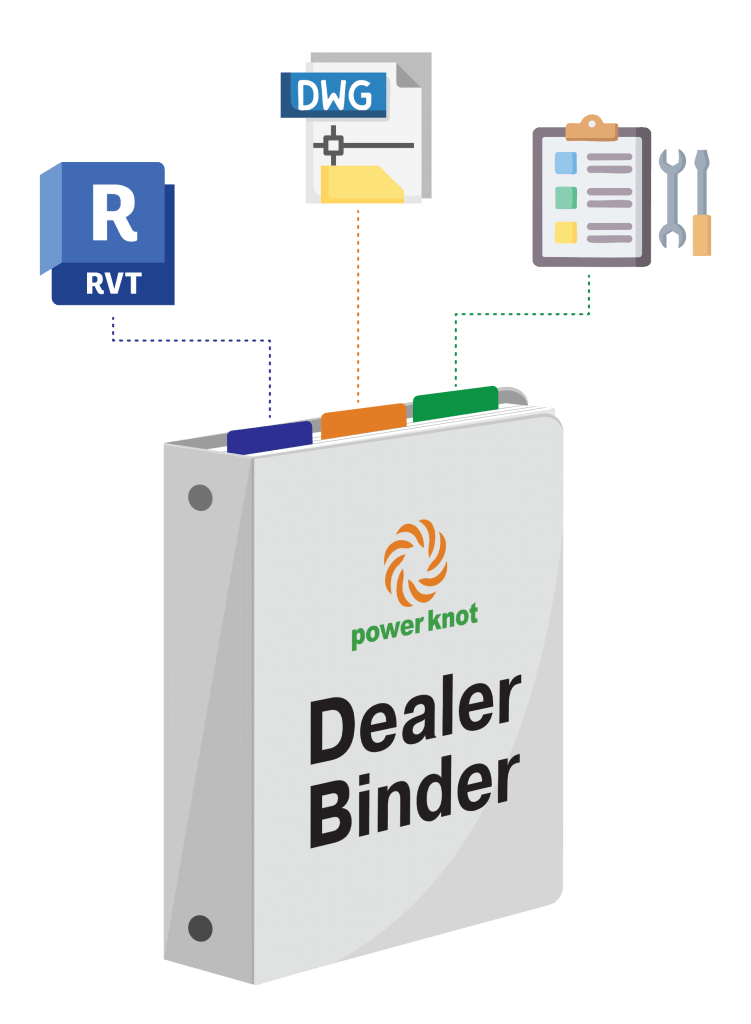
Power Knot offers Revit files, DWG CAD drawings, and detailed technical specifications—making it easy for designers to integrate the biodigester into kitchen design plans with confidence and precision. Integrating the LFC biodigester into your projects positions you as a forward-thinking kitchen designer who delivers innovative, eco-conscious solutions.
Contact Power Knot today to access the full suite of design resources and get prioritized individual support for your next commercial kitchen project.