

In recent years, the movement toward sustainability and food waste diversion has gained momentum among Texas businesses, especially in urban centers like Austin. However, despite a growing interest in composting, new legislative barriers are making it harder than ever to scale composting infrastructure across the state.
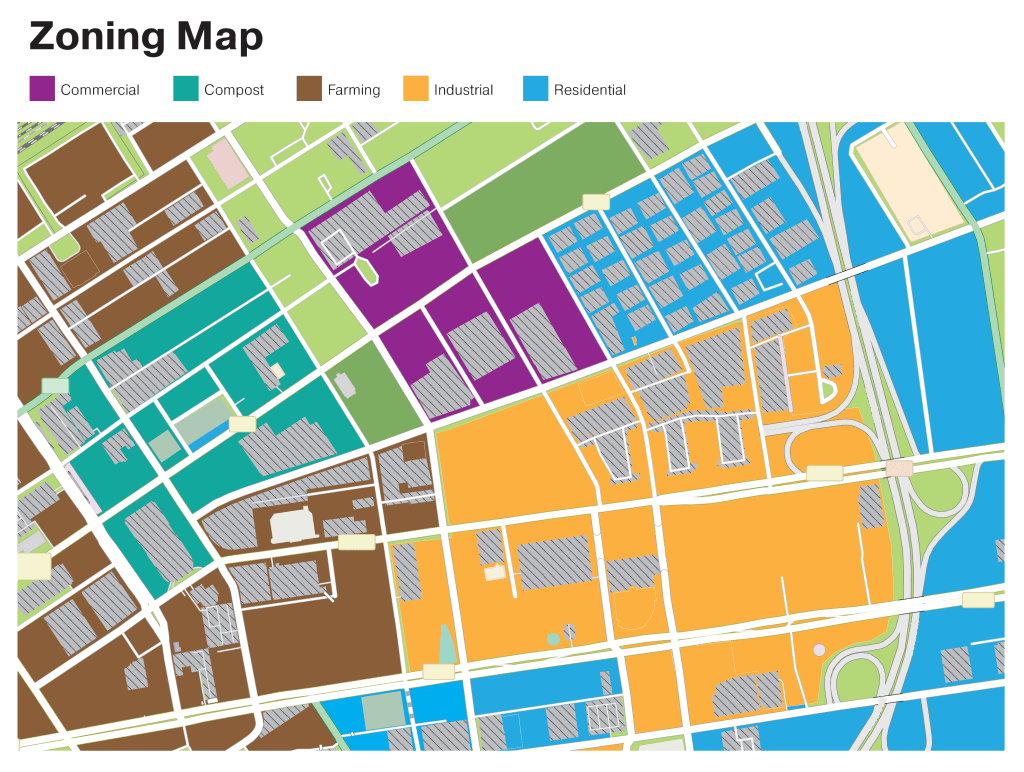
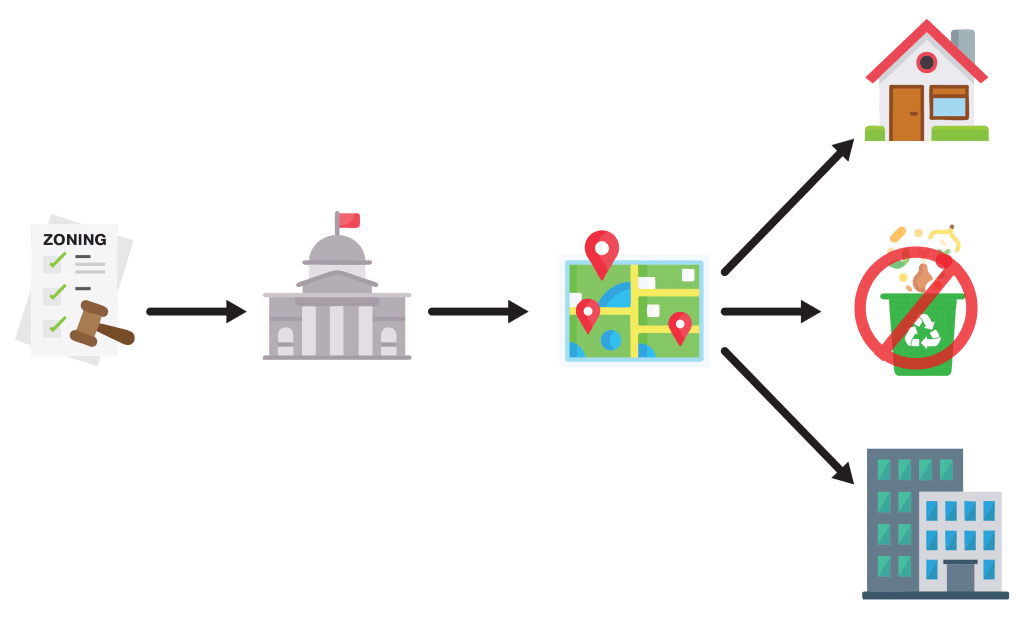
A major blow to the composting industry came in the form of Senate Bill 2078, which will take effect on September 1—without the governor’s signature. The bill restricts the development of new composting facilities to only those counties that have explicit community composting ordinances. While seemingly innocuous, the reality is that very few rural counties in Texas have such ordinances in place, effectively stifling any new composting development in vast portions of the state.
This comes at a time when demand is soaring. Municipal laws, like Austin’s recent mandate requiring composting access in multifamily dwellings, have increased the organic waste stream. Businesses and multifamily properties are eager—or even required—to divert food waste from landfills. But without additional composting infrastructure, supply is outpacing processing capacity.
Public Opposition and Perception Challenges
Local resistance to compost facilities, often driven by fears about air and groundwater contamination, has also been a significant barrier. Though modern composting facilities are carefully engineered to minimize environmental impact, misinformation and lack of community engagement have led to distrust and opposition in many rural areas. In the case of Break It Down Composting, a proposed facility in Lee County that would have used just 2 to 3 acres of a 56 acre site was shut down largely due to public pressure and political opposition.
As a result, existing facilities in areas like Austin can continue to operate, but the industry’s ability to expand to meet demand is effectively on pause.
Scaling Sustainability: The New Challenge for Businesses
This presents a difficult conundrum. Businesses committed to sustainability are now facing limited options and higher costs. Without nearby composting facilities, food waste must be hauled long distances—an expensive and energy-intensive process. In some cases, if not composted, food waste may be incinerated, pulverized, or compressed—methods that not only use large amounts of electricity but also fall short of true sustainability.
So what’s the alternative?
Onsite Food Waste Digesters: A Smart, Scalable Solution
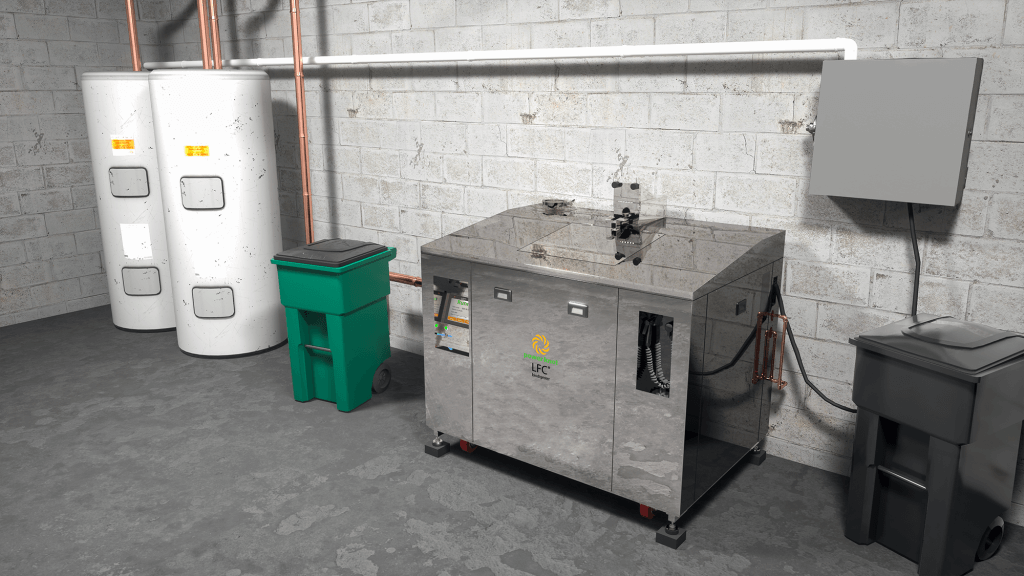
One increasingly popular solution is the onsite food waste digester, such as the LFC biodigester. These systems use naturally occurring microorganisms to break down food waste into grey water that can be safely discharged through standard plumbing. This eliminates the need for storage, hauling, and costly third-party processing.
The LFC biodigester has already earned the trust of notable Texas-based users, including Deloitte University, Wichita Falls Delta Hotel, and Fort Hood.
These organizations represent a diverse mix of sectors—from corporate offices to hospitality to the military—and all have found success with LFC biodigesters. For them, the appeal lies in its simplicity, cost savings, and environmental benefit.
Unlike composting facilities, digesters do not require special permits, large parcels of land, or lengthy approval processes. It is a simple plug and play solution that streamlines food waste management. This makes them an ideal fit for restaurants, hotels, campuses, hospitals, and any business generating food waste.
The Path Forward
While recent legislation has slowed the composting industry’s expansion in Texas, innovation is creating new pathways for sustainability. Onsite solutions like the LFC biodigester give businesses control over their food waste and reduce dependence on limited external infrastructure.
The message is clear: sustainability doesn’t have to wait for policy to catch up. Texas businesses have options now—and those that act early will not only reduce their environmental footprint but also insulate themselves from rising costs for waste disposal and future regulations. Contact Power Knot today to get ahead of the compost zone issue and future proof your kitchen.