

Dehydrating food waste has gained popularity as a way to manage kitchen scraps. The concept is simple and appealing: reduce food waste volume, remove moisture, and turn it into a stable, dry material that can be stored for longer periods. This process is marketed as a convenient solution, especially for businesses and households looking to minimize their environmental footprint. Manufacturers of these machines often call them composters, which as we shall see, is a very misleading term for the machines.
Beneath this seemingly perfect solution lies a hidden liability that many overlook—what to do with the dehydrated food waste once it’s created.
Drying food waste is not cheap
To get the water out of food waste requires a huge amount of energy. Imagine putting food waste on a pan on your stove and heating it until it is thoroughly dry! Apart from the smells, you will use a lot of energy. The cost of this energy is typically more than the cost of the machine every three or four years.
The problems with dehydrated food waste
While dehydrating food waste seems like a straightforward approach, it introduces several complications that aren’t immediately apparent. Understanding these potential issues is crucial for anyone considering this method as part of their waste management strategy.
Contamination risks
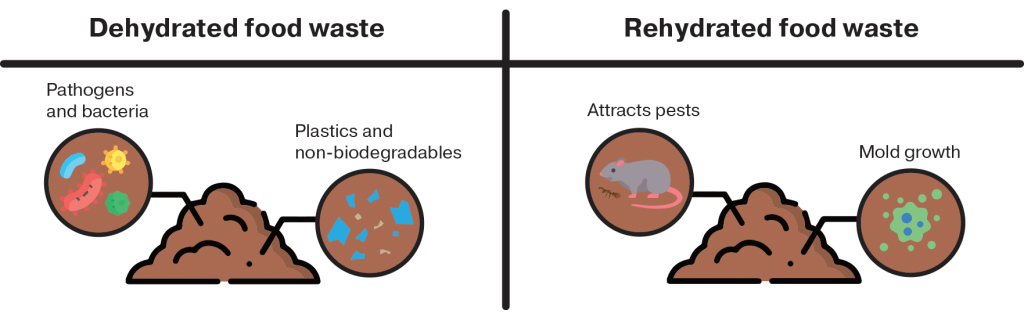
One of the most significant concerns with dehydrated food waste is contamination. During the dehydration process, food waste is dried, but this doesn’t eliminate the possibility of it containing harmful contaminants such as:

Pathogens and bacteria: Dehydration removes water but may not entirely eliminate all harmful microorganisms. If the food waste was contaminated before drying, those pathogens could persist in the dried material.
Plastic and other non-biodegradable materials: Food waste often contains small amounts of plastic, either from packaging or microplastics present in the food itself. These materials do not break down during dehydration and remain in the final product, posing a risk if the waste is later used in soil or other applications.
Attracting pests when rehydrated
Another potential issue arises when dehydrated food waste comes into contact with moisture. If the dried material becomes wet, it can quickly rehydrate, potentially attracting pests and bugs. This is particularly problematic if the waste is stored improperly or disposed of in an area where moisture is present, such as a compost pile. Rehydrated food waste can:

Attract rodents and insects that are drawn to the now-moist organic material, leading to infestations.

Promote mold growth, especially in humid environments, creating additional health hazards.
Soil amendment challenges
Dehydrated food waste is often touted as a beneficial soil amendment, but this application isn’t as straightforward as it seems. While it can add organic matter to the soil, there are several challenges to consider:

Nutrient imbalance: Dehydrated food waste might not provide a balanced nutrient profile, which could harm plants rather than help them. For example, an excess of certain nutrients or contaminants could lead to poor plant growth or even toxicity.
Decomposition issues: Once added to the soil, dehydrated food waste needs to decompose to be useful to plants. However, the dehydration process may make this more difficult, especially if the material was not finely ground before drying. Large, dry pieces may take a long time to break down, delaying their benefits.
If the dried waste is buried, it can decompose anaerobically. This will generate methane, a gas 84 times worse for the atmosphere than CO2. The process will also create acids that can kill vegetation planted in this buried waste.
Better alternatives for managing food waste
Given these challenges, it’s worth exploring alternatives to dehydrating food waste. Here are some more effective methods for managing food waste that minimize risks and provide greater environmental benefits:
Biodigesters
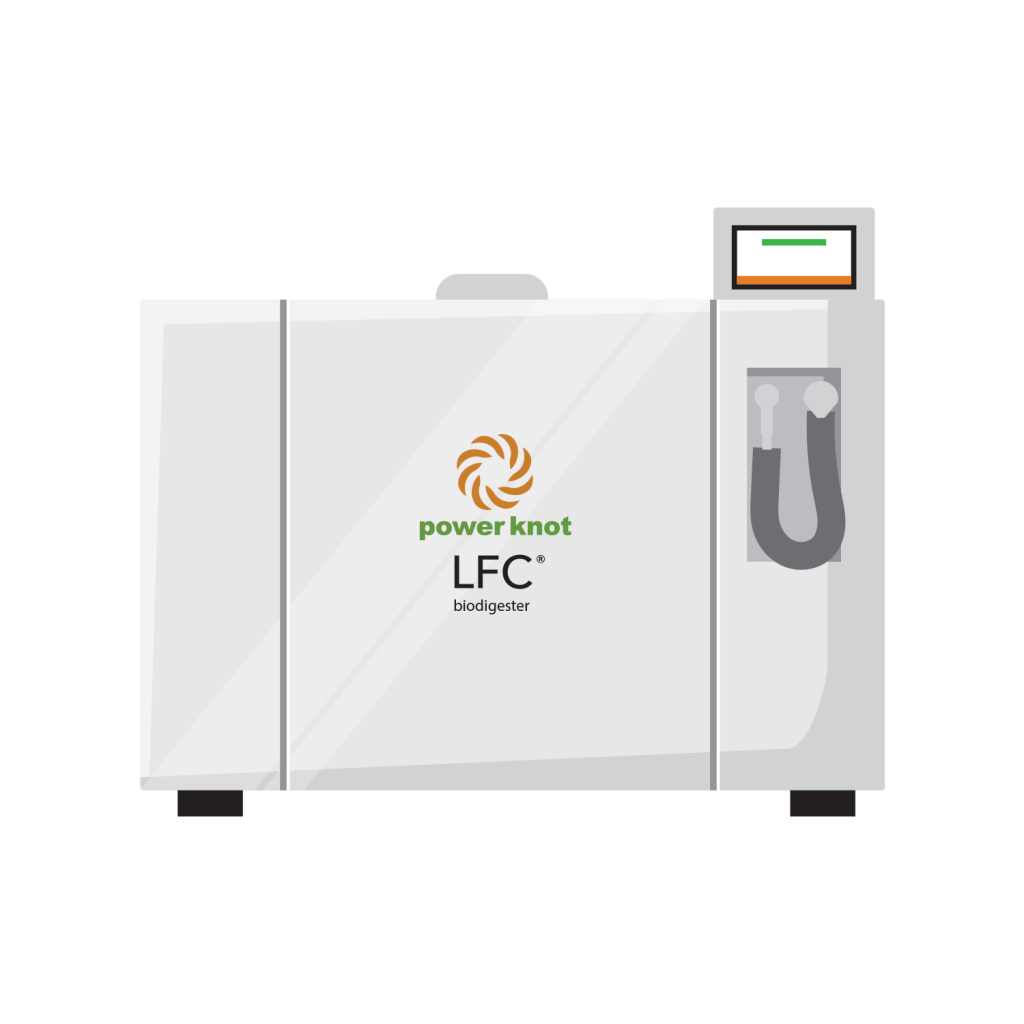
A biodigester, such as the LFC biodigester, is an excellent alternative for processing food waste. These systems break down organic material aerobically (with oxygen). The key benefits of using a biodigester include:
- No solids left behind: Unlike dehydration, aerobic biodigesters completely break down food waste, leaving behind only liquid, which are easier to manage and utilize.
- Simplified waste management: No manual labor used to transport or oversee waste processing.
Composting
For residential households, traditional composting remains one of the most effective ways to manage food waste. While it requires a bit more effort than simply dehydrating, composting offers several advantages:
Nutrient-rich compost: Proper composting turns food waste into a rich soil amendment that can significantly improve soil health and plant growth.
Versatile use: Compost can be used in gardens, flower beds, and even indoor plants, making it a highly versatile solution.
Reduction in waste volume: Over time, composting reduces the volume of food waste significantly, and the end product is fully decomposed organic matter, free from contaminants.
Vermicomposting

Vermicomposting, or composting with worms, is another excellent method for dealing with food waste. Worms help break down organic matter more quickly than traditional composting and produce high-quality worm castings that are incredibly beneficial for soil. Benefits include:
Faster decomposition: The worms accelerate the composting process, making it a quicker way to manage food waste.
High-quality fertilizer: The worm castings produced are a potent soil amendment, richer in nutrients than standard compost.
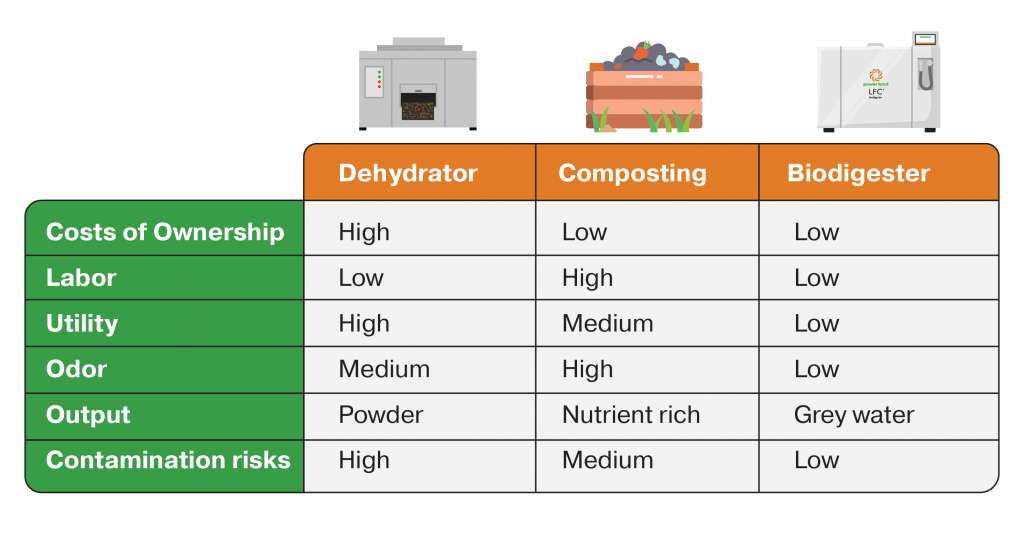
While dehydrating food waste may seem like a convenient solution, it comes with hidden liabilities that make it less ideal than it appears. Contamination risks, potential for attracting pests, and challenges in using the dehydrated waste as a soil amendment all contribute to the complexity of this method. Instead, more sustainable and effective options like biodigesters, traditional composting, and vermicomposting offer better long-term solutions for managing food waste without the associated risks. As we continue to seek ways to reduce our environmental impact, it’s essential to choose waste management practices that are not only convenient but also safe and beneficial for the environment. Contact Power Knot today to learn how the LFC biodigester can help you eliminate the need to dehydrate your food waste.