

For over a century, the Michelin Guide has stood as the gold standard of culinary excellence. Established by French tire manufacturers Édouard and André Michelin in 1900, the Guide was originally designed to encourage motorists to explore France—and wear out more tires—by providing recommendations for dining and lodging along the way. Over time, it evolved into one of the most prestigious awards in the culinary world.
Today, a Michelin Star is more than a rating—it’s a symbol of quality, dedication, and innovation in the kitchen:
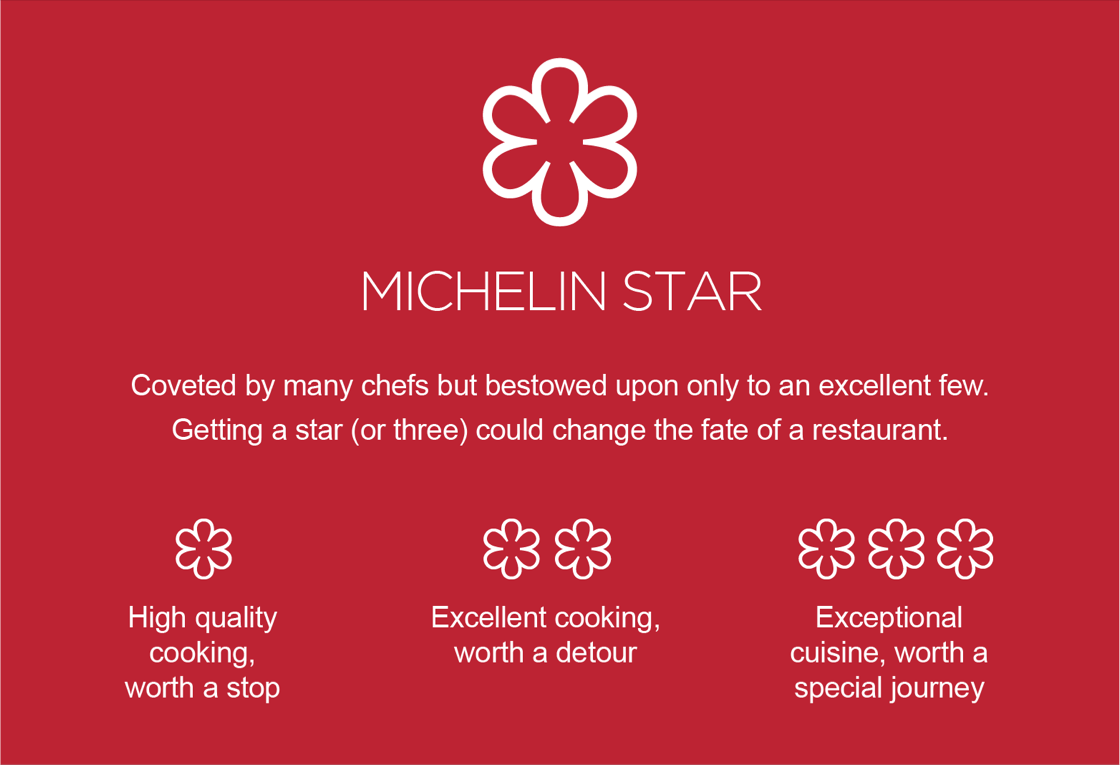
- 1 Star: “A very good restaurant in its category” (Une très bonne table dans sa catégorie)
- 2 Stars: “Excellent cooking, worth a detour” (Table excellente, mérite un détour)
- 3 Stars: “Exceptional cuisine, worth a special journey” (Une des meilleures tables, vaut le voyage)
But in recent years, Michelin has begun to recognize another kind of excellence—one driven not just by culinary creativity, but by sustainability, ethics, and environmental stewardship.
After 121 years of issuing printed guides, the Michelin Guide transitioned to a fully digital platform in 2021, complete with a proprietary app for easier access and discovery. This move was not just about modernization, but about aligning with a changing world—one where values such as sustainability, environmental responsibility, and conscious consumption are influencing both diners and chefs alike.
As the fine dining world adapts, Michelin has adapted with it.
A Plant-Based Revolution
Few restaurants embody this shift as boldly as Alain Passard’s Arpège, a Parisian institution with three Michelin stars. On July 21, 2025, Arpège made headlines around the globe by fully transitioning to a plant-based menu, removing all meat, fish, and dairy products. It retains honey from its own rooftop beehives. For a chef once known for exquisite meat preparations, this marked a radical and symbolic evolution.
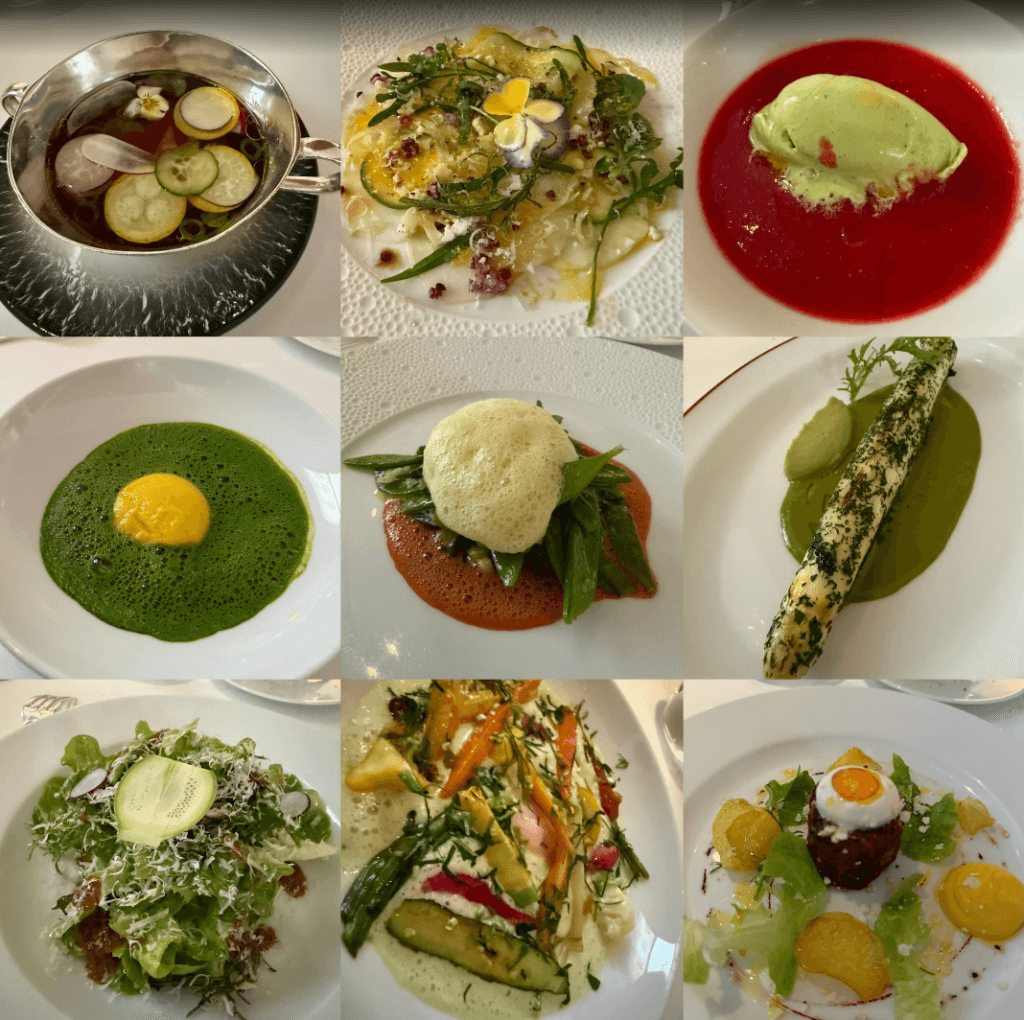
Arpège isn’t alone. Restaurants across the world are reimagining what fine dining can look like in a more climate-conscious era:
- Eleven Madison Park in New York surprised many when it re-opened post-pandemic with a fully plant-based menu.
- Vedge, in Philadelphia, has long been a pioneer in plant-based fine dining, elevating vegetables to star status.
- Kaju, a Korean plant-forward concept in Los Angeles, has also earned Michelin attention for its commitment to sustainability and innovation.
Michelin’s recognition of these restaurants signals a broader acceptance—and celebration—of plant-based excellence within the fine dining landscape.
Sustainability Beyond the Plate
But the green shift is not just about what’s on the plate—it’s about the entire operation.
Take Somni, a three-Michelin-starred gem in Los Angeles. When Chef Aitor Zabala encountered the LFC biodigester at the National Restaurant Show in 2023, he was immediately captivated. This machine transforms food waste into water, drastically reducing landfill contributions. During the restaurant’s pandemic-era renovations, Zabala ensured that the LFC-50 biodigester was installed in the kitchen’s back-of-house alley. Since reopening, Somni has been converting over 212 pounds of food waste into grey water each month.

“As a young chef working in other kitchens, I saw first hand how much food waste fine dining can generate,” says Zabala. “Trimmings, excess portions, and unused ingredients often ended up discarded. It made me think more about the disconnect—on one hand, we were working with incredible products, but on the other, there was always an opportunity to be more intentional in how we used them.”
This approach isn’t just good for the environment—it also sets a new standard for kitchen operations in fine dining. And Somni isn’t alone: other Michelin-recognized restaurants such as Nobu and Caruso’s at Rosewood Miramar Beach have also integrated the LFC biodigester into their waste management systems.
A Michelin Star for the Future
The Michelin Guide’s pivot toward sustainability marks a profound transformation in the values it celebrates. While flavor, technique, and hospitality remain essential, the spotlight now also shines on ethical sourcing, waste reduction, and environmental impact.
In a time of ecological urgency, the world’s top restaurants are proving that luxury and responsibility are not mutually exclusive. With Michelin leading the charge, the future of fine dining looks not just delicious—but conscious, considered, and green.