

If you own a restaurant, supermarket, café, or other food‑service operation, the ongoing Republic Services strike, which began July 1, 2025, could seriously impact your business. Over 2,000 sanitation workers across the country—and thousands more nationwide—have walked off the job, demanding better pay and benefits.
️ A Rotten Situation for Food Businesses
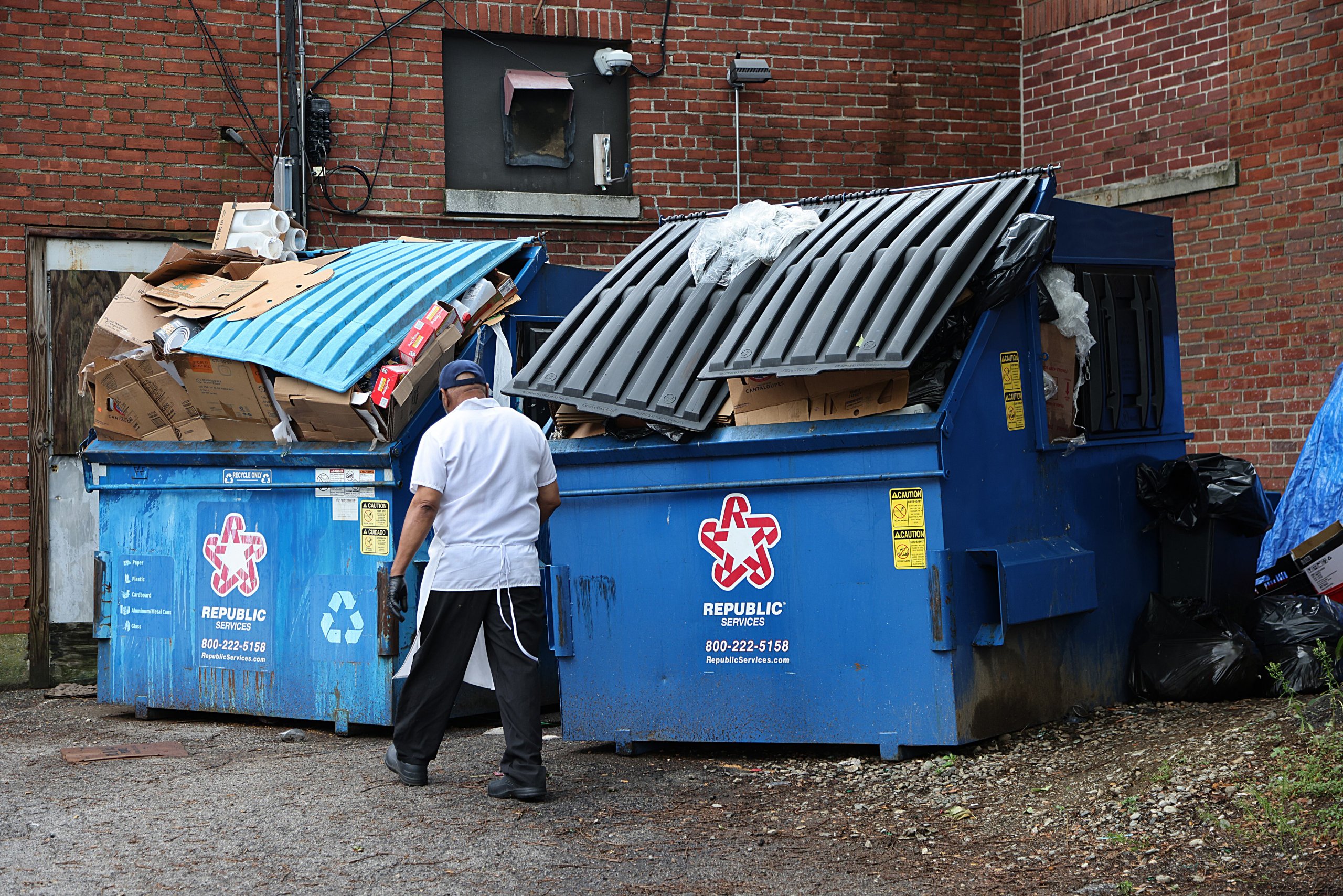
- Accumulating food waste : With regular trash pickups stalled, your bins—and any on‑site compost or food-waste containers—might quickly overflow. In supermarkets and restaurants, this means perishable waste could start decomposing on-site, attracting pests and creating health hazards.
- Stranded waste: Local enforcement in places like Fremont and Daly City in the Bay Area has closed park dumpsters to prevent dumping, leaving businesses scrambling to find alternatives.
- Public health threats: Overflows draw rodents and insects, especially during summer heat. In Massachusetts, officials even declared a “public-health emergency” due to sanitation failures amid sweltering conditions.
Why Food‑Service Companies Are Especially Vulnerable
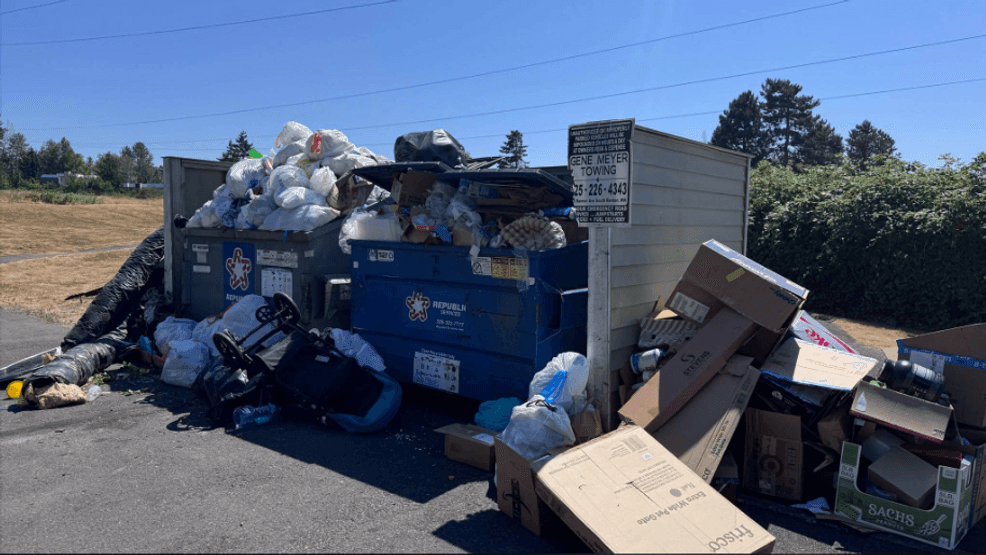
- Daily large-volume waste: Grocers and kitchens generate food scraps hourly—uncollected waste can sour within hours in warm conditions.
- Compliance risk: Extended waste storage can violate local health and fire codes, risking fines or inspections.
- Reputation damage: Dirty bins and foul smells can quickly damage customer perception—especially if waste attracts wildlife or spills onto sidewalks.
Protect Your Food Operation: Consider LFC Biodigesters
Here’s why current disruptions underscore the value of Power Knot’s LFC biodigester:
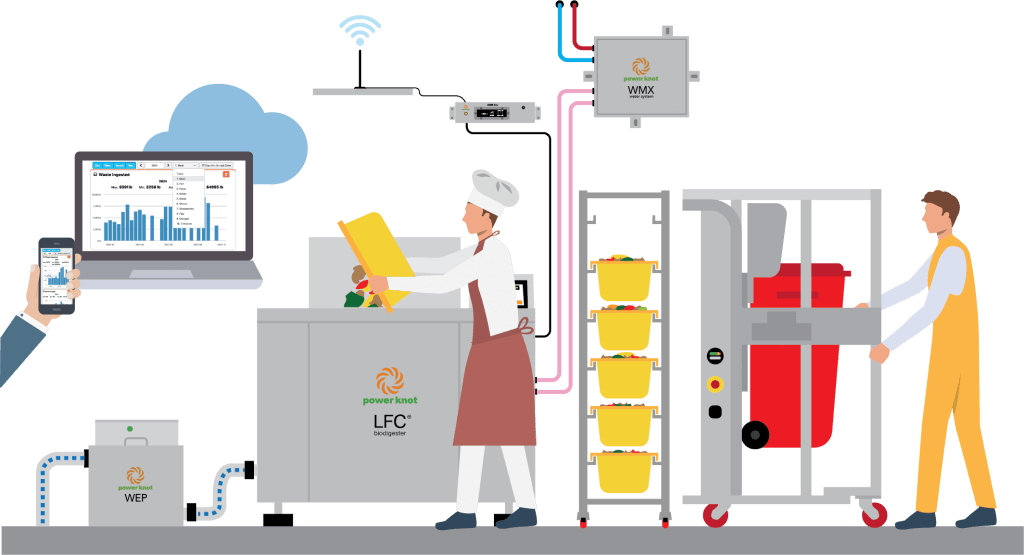
- On‑site disposal: Instead of waiting for trash pickup, convert food scraps to water on‑site, reducing reliance on external haulers.
- Always ready: With continuous operation, the LFC biodigester neutralizes waste daily—even during service disruptions.
- Sanitary, compact, and compliant: Small footprint, odor containment, and sealed operation make it ideal for kitchens and loading docks.
- Sustainability you can promote: Digesting food waste on‑site slashes landfill use and methane emissions, aligning with eco‑responsible branding.
Strike-Proof Your Operations—Act Now
Republic Services has struggled to manage waste service even with contract-hire drivers, and multiple Bay Area cities are suing or demanding rebates. With no resolution scheduled until late July, interruptions could drag on—leaving your food business exposed.
An LFC biodigester isn’t just a solution—it’s empowerment. It ensures:
- Continuous hygiene and cleanliness
- Avoidance of pest and odor risk
- Compliance with local health codes
- Protection of your brand’s image
Ready to strike back at waste disruptions?
Don’t wait for trash services to resume. Reach out to Power Knot today to learn how the LFC biodigester can safeguard your food operation—ensuring uninterrupted, sanitary, and sustainable handling of food waste even when external services falter.